2006 was a pivotal year in music and culture — a time when sites like YouTube, MySpace, and PureVolume became platforms for discovery for bands and fans alike, shaping what millions of millennials were listening to. Emo, post-hardcore, and pop punk were thriving and helped define the sound of the latter half of the decade.
In terms of albums, 2006 was a diverse, boundary-pushing year. Artists were continuing to wear their hearts on sleeve and tinkering with sounds that would influence their peers throughout the rest of the decade. The year was defined by larger-than-life storytelling, namely My Chemical Romance’s The Black Parade, pop detours, and bands in our corner continuing to take over major radio and MTV.
Read more: 10 criminally underrated blink-182 songs
With many beloved projects turning 20 this year, we couldn’t possibly hit them all. However, we narrowed down 30 alternative albums celebrating this milestone anniversary below.
Interscope
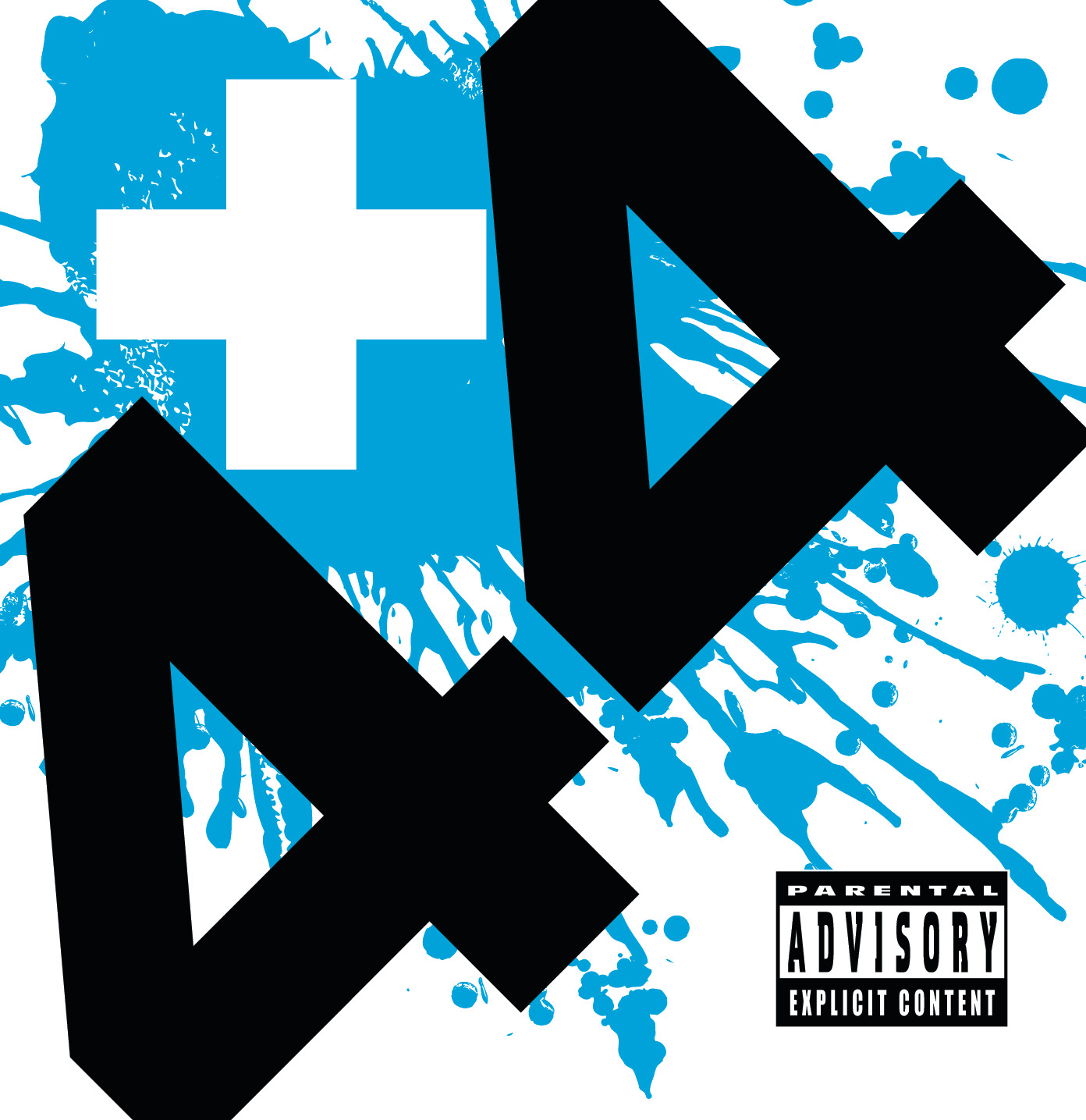
+44 – When Your Heart Stops Beating
RELEASE DATE: Nov. 13, 2006
ESSENTIALS: “Chapter 13,” “Lycanthrope,” “No, It Isn’t”
WHY IT MATTERS: When blink-182 went on hiatus in 2005, no one was sure when, or if, the pop-punk leaders would return. A year later, Tom DeLonge spawned the first Angels & Airwaves LP, whereas Mark Hoppus and Travis Barker made their debut as +44. The latter, When Your Heart Stops Beating, mined the dark maturity of 2003’s Untitled, the songs becoming an outlet for their grief, betrayal, and confusion in brutal detail — as well as a bridge to their eventual reunion in 2009. —Neville Hardman
Interscope
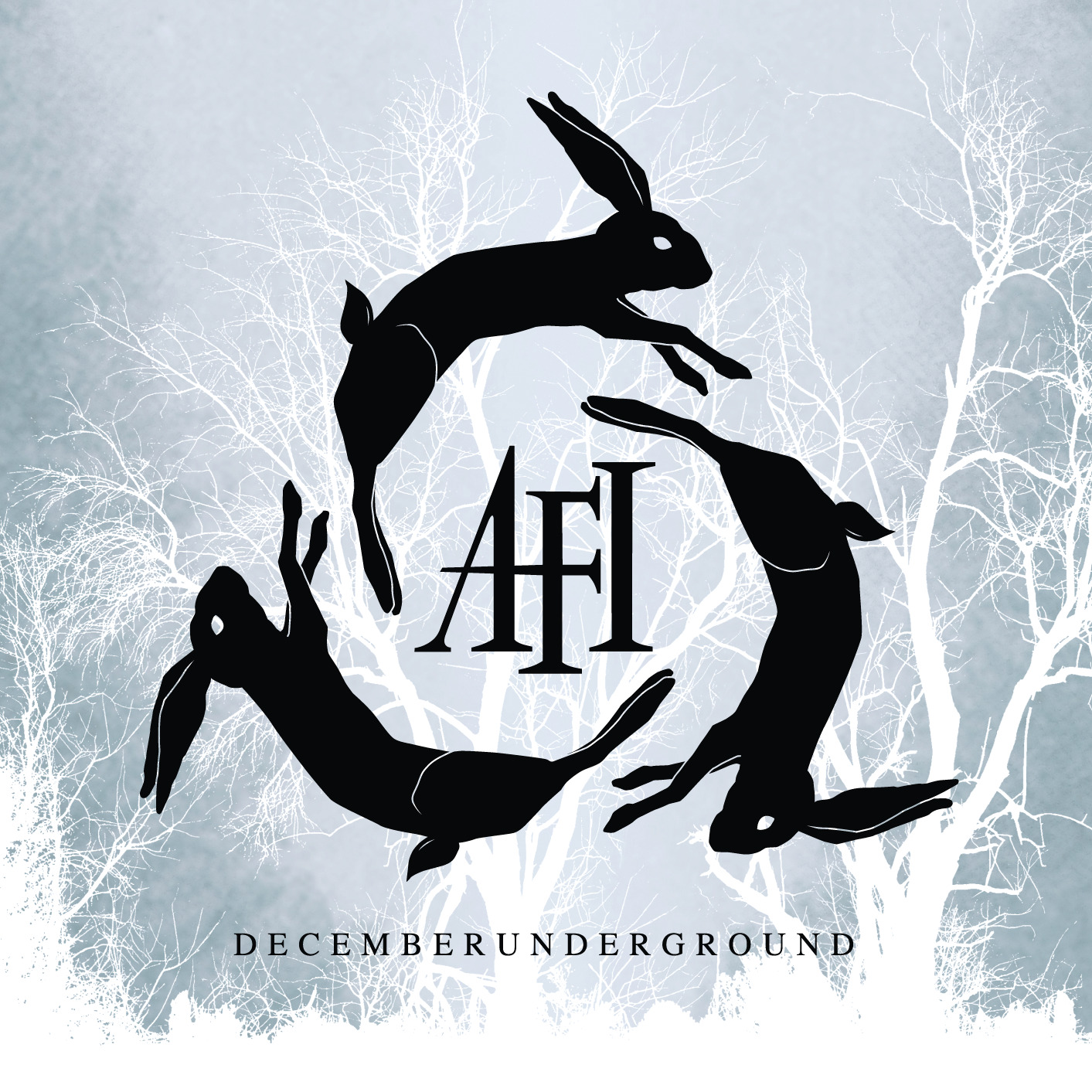
AFI – DECEMBERUNDERGROUND
RELEASE DATE: June 6, 2006
ESSENTIALS: “Love Like Winter,” “Miss Murder,” “The Killing Lights”
WHY IT MATTERS: DECEMBERUNDERGROUND was a dramatic reinvention for AFI and inevitably became their commercial breakthrough. “Miss Murder” was a defining hit of the era and introduced the band to a global audience, proving that the alt genre is undefinable and constantly reinventing itself. DECEMBERUNDERGROUND was ahead of the curve with normalizing genre fluidity within emo and alternative circles, proving that evolution can still happen seven albums in. —Kelsey Barnes
Vagrant
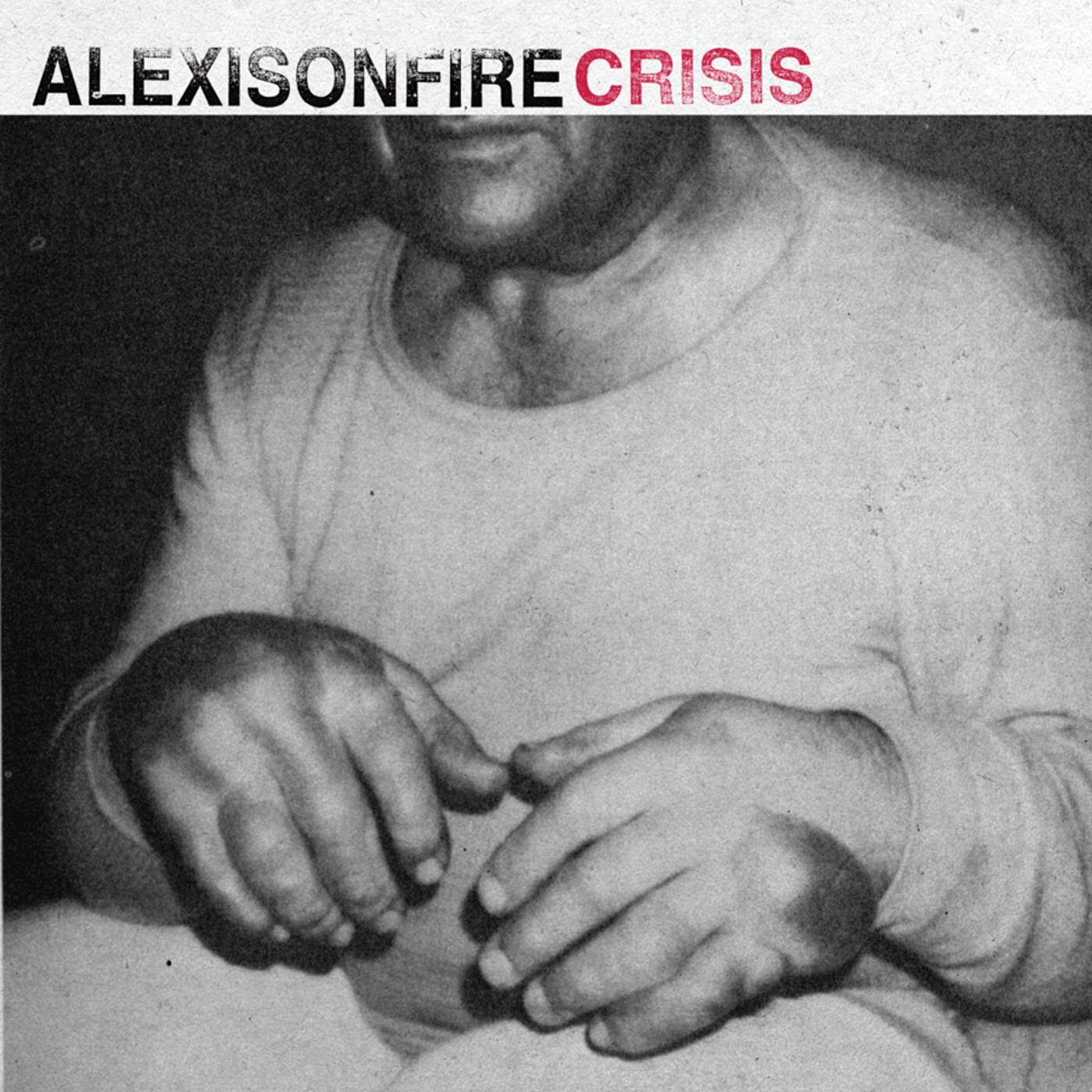
Alexisonfire – Crisis
RELEASE DATE: Aug. 22, 2006
ESSENTIALS: “This Could Be Anywhere In The World,” “Mailbox Arson,” “Rough Hands”
WHY IT MATTERS: Crisis refined Alexisonfire’s post-hardcore sound into something even sharper, becoming a gateway album to pull new listeners into that world. Their third LP was a time of transition for the band and the post-hardcore scene at large — the songwriting matured as both Alexisonfire and the genre evolved into a more mainstream entity. Crisis has proven to be an omnipresent influence, seen in Counterparts, Four Year Strong, and letlive. —Kelsey Barnes
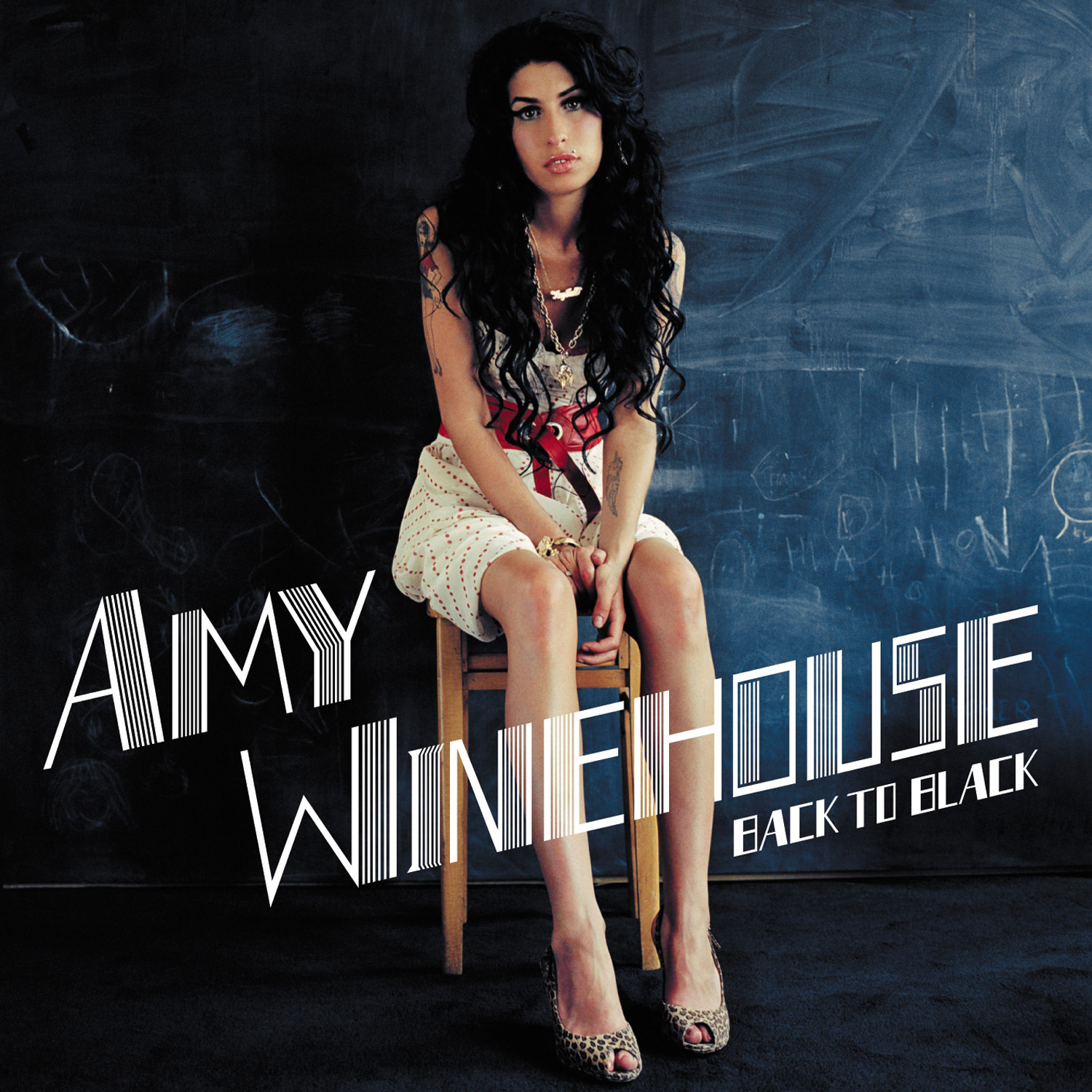
Island
Amy Winehouse – Back to Black
RELEASE DATE: Oct. 27 2006
ESSENTIALS: “Back to Black,” “Tears Dry on Their Own,” “Love is a Losing Game”
WHY IT MATTERS: In the aftermath of 2003’s Frank, the biggest shift was bringing in co-producer Mark Ronson, who harnessed Amy Winehouse’s love of ’60s soul by recording at Daptone Records, a tape-only studio in Brooklyn. Calling Winehouse his “musical soulmate” after her death, it’s hard to argue: Back to Black, her final album, is a sharp, lovelorn project from start to end, taking her sound to new heights through a harmonious back and forth. No one’s ever sounded like Winehouse since. —Neville Hardman
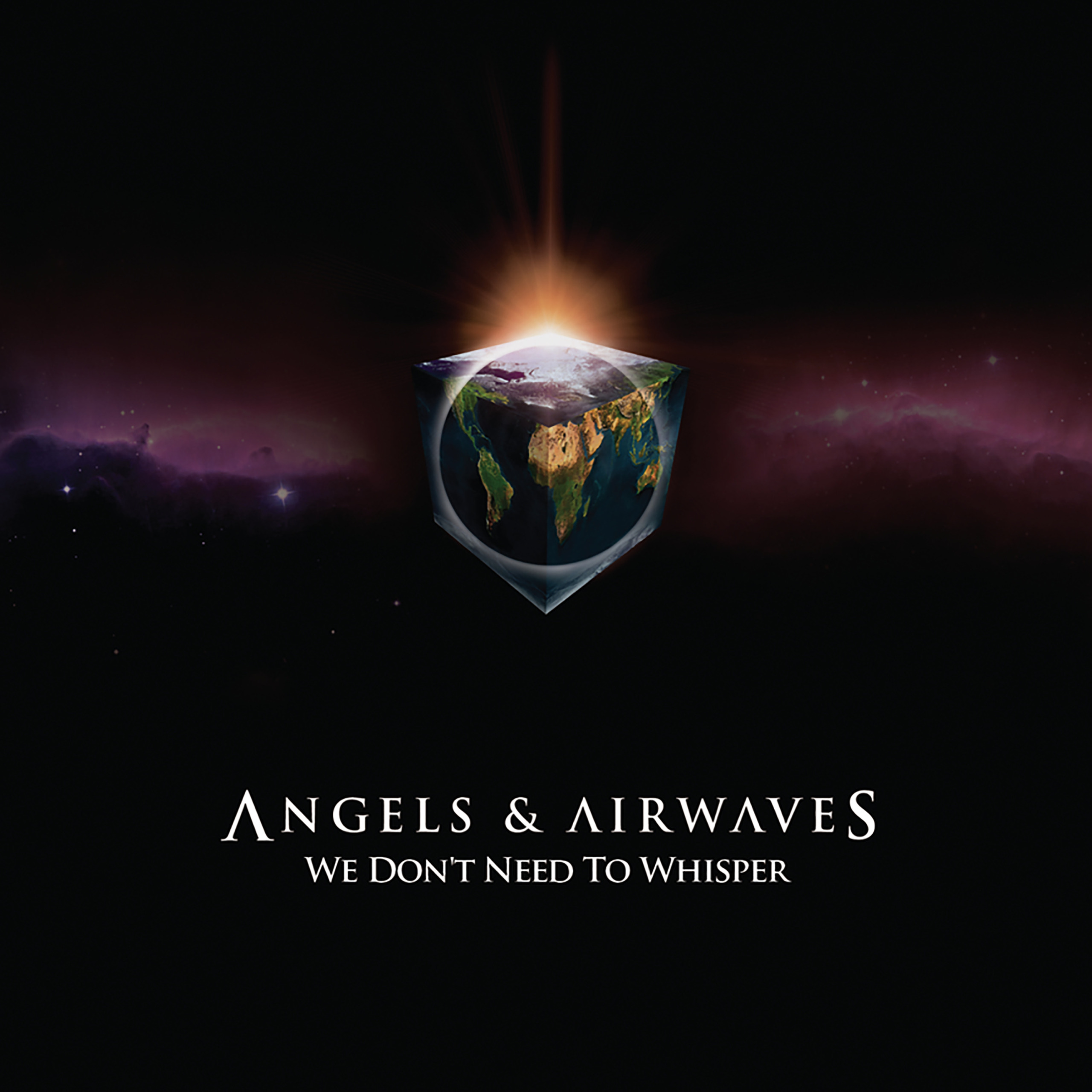
Geffen
Angels & Airwaves – We Don’t Need to Whisper
RELEASE DATE: May 23, 2006
ESSENTIALS: “Valkyrie Missile,” “The War,” “The Adventure”
WHY IT MATTERS: While his bandmates penned wounded anthems in +44, DeLonge continued to fall deeper into the world of Angels & Airwaves. Also pulling from Untitled, AVA channeled its scale and promise, creating songs big enough to fill arenas. Taking influence from DeLonge’s love of space, We Don’t Need to Whisper lives between the worlds of blink and AVA’s signature sound — serving as the launching pad for the cosmic, sci-fi aesthetic that he’d further refine on 2007’s I-Empire. —Neville Hardman
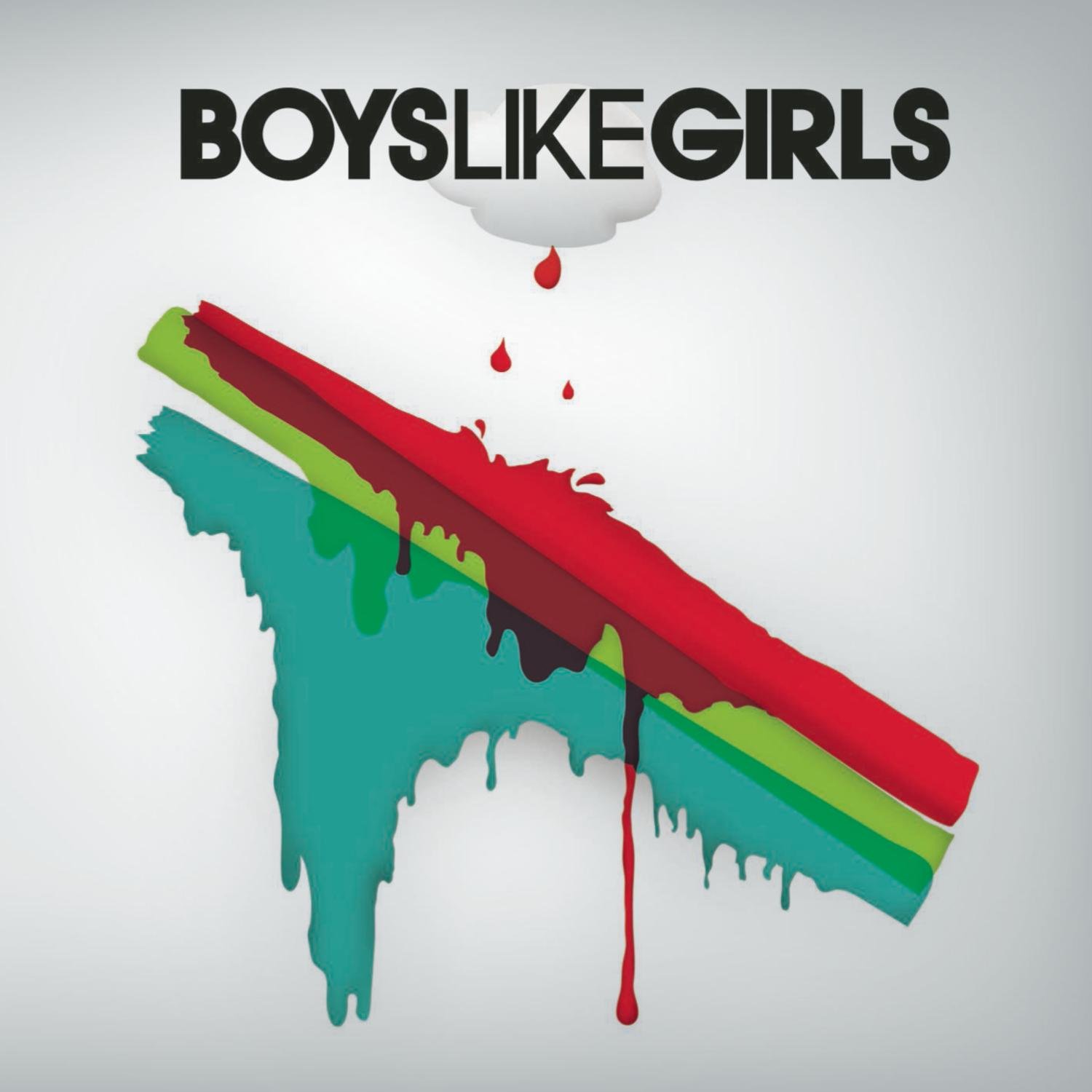
Columbia/Red Ink
Boys Like Girls – Boys Like Girls
RELEASE DATE: Aug. 22, 2006
ESSENTIALS: “The Great Escape,” “Hero/Heroine,” “Holiday”
WHY IT MATTERS: Thanks to its poppy sound, Boys Like Girls’ self-titled debut helped emo reach a mainstream audience with songs like “The Great Escape” and “Hero/Heroine,” which dominated radio and MTV. Even though it sits far from the heavier records on this list, Boys Like Girls solidified a softer, pop-forward lane within alternative music and had a hand in shaping the sound and aesthetics of countless bands that followed, like the Maine and Forever the Sickest Kids. —Kelsey Barnes
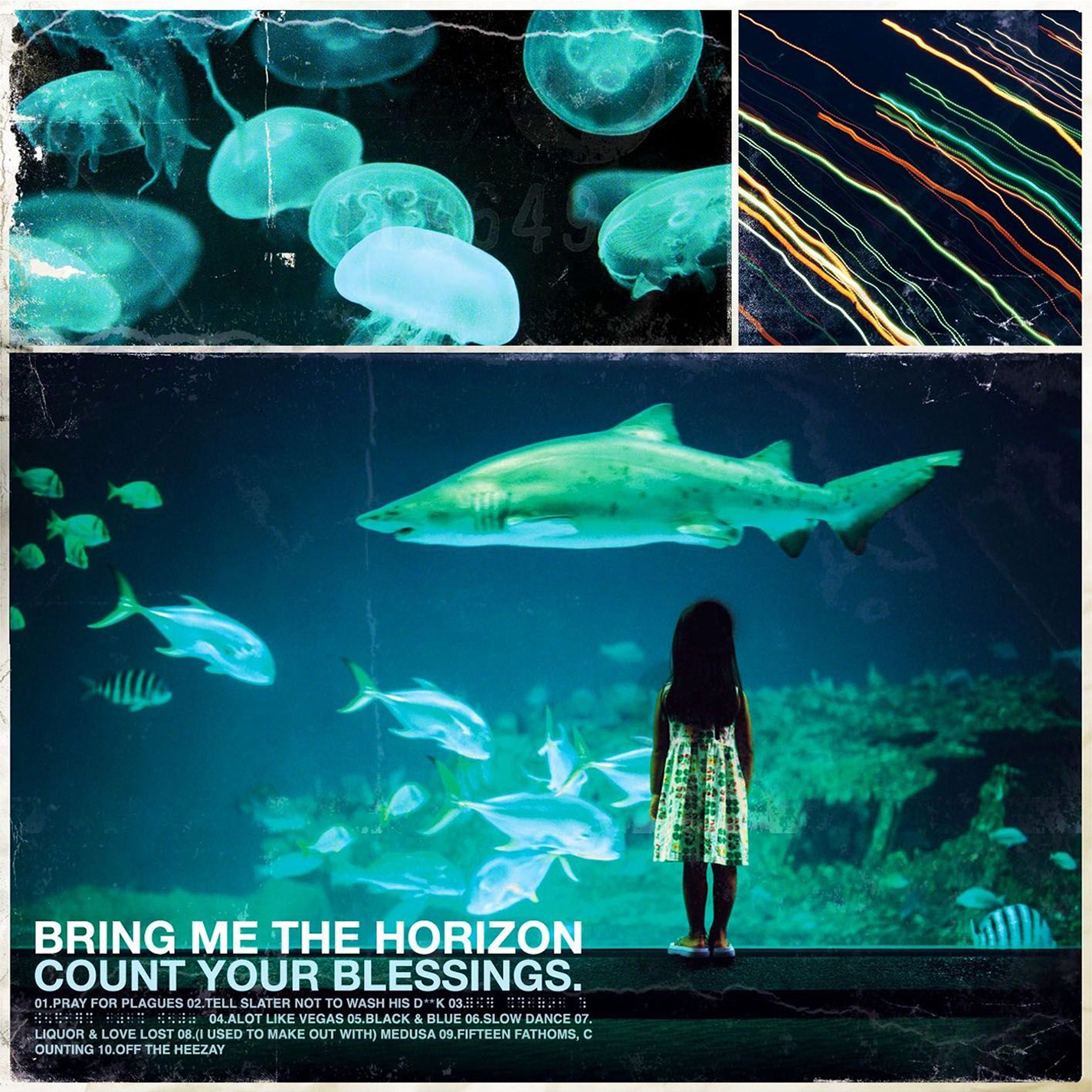
Earache
Bring Me the Horizon – Count Your Blessings
RELEASE DATE: Oct. 30, 2006
ESSENTIALS: “Pray for Plagues,” “Liquor & Love Lost,” “(I Used to Make Out With) Medusa”
WHY IT MATTERS: The importance of Bring Me the Horizon’s Count Your Blessings grew in retrospect. Its relentlessness in both aggression and extremity captured a specific time of deathcore, which has made the band’s pivots later on — metal, rock, and pop — feel even more drastic and like a genuine evolution from where they started. The LP also dropped during the MySpace era — a time when bands could build a fanbase without industry support. —Kelsey Barnes
Island Def Jam
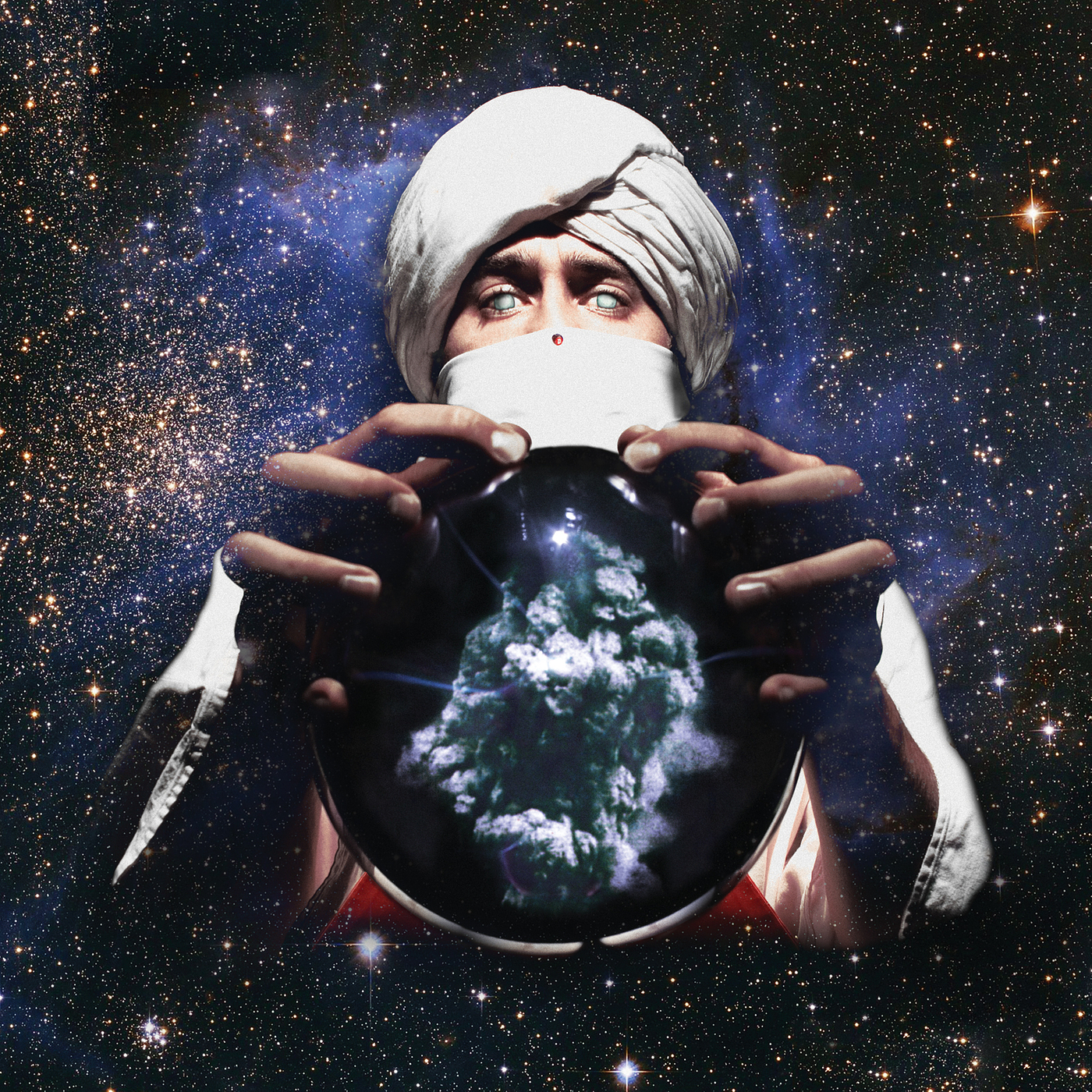
The Bronx – The Bronx (II)
RELEASE DATE: July 18, 2006
ESSENTIALS: “History’s Stranglers,” “Around the Horn,” “Shitty Future”
WHY IT MATTERS: The Bronx never made a bad album, but II is where their sound really started to jell. Offsetting their vicious punk with midtempo ballads, a deeper sense of melody, and flashes of their alter ego Mariachi El Bronx, their second album laid off the gas for a more balanced approach. When that fury emerges, though, it’s relentlessly captivating, best heard as the 52-second blast of “Small Stone” runs into “Shitty Future” and “History’s Stranglers.” —Neville Hardman
Fueled by Ramen/Decaydance
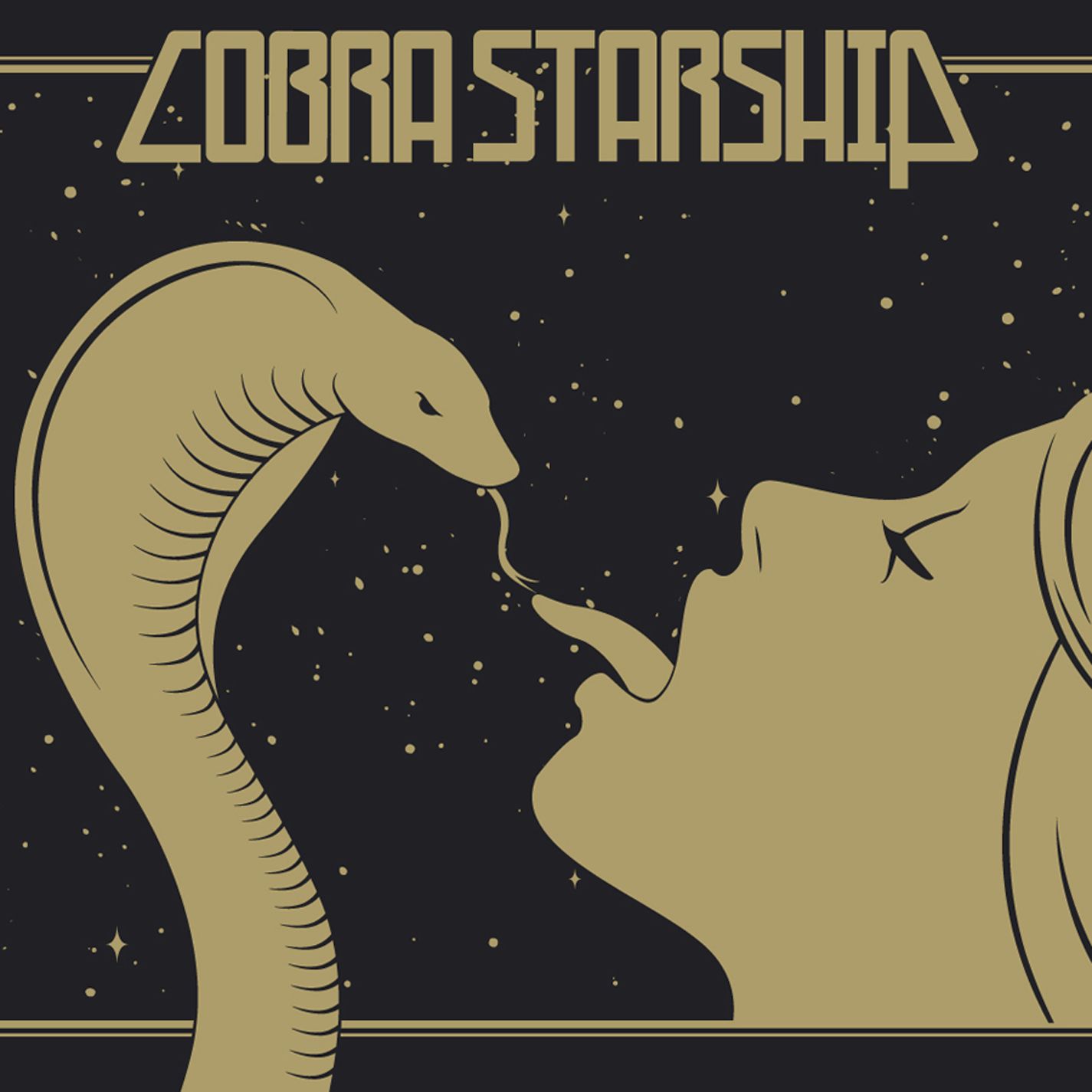
Cobra Starship – While the City Sleeps, We Rule the Streets
RELEASE DATE: Oct. 10, 2006
ESSENTIALS: “Send My Love to the Dancefloor, I’ll See You in Hell (Hey Mister DJ),” “Bring It (Snakes on a Plane),” “Pop-Punk Is Sooooo ’05”
WHY IT MATTERS: Moving away from the heavier, more resonant sounds of rock and emo, Cobra Starship’s While the City Sleeps, We Rule the Streets shifted the alt genre toward pop, all thanks to vocalist Gabe Saporta, who pivoted from Midtown. It defined the partycore/electornicore genre of the later MySpace days, thanks to the dance beats and tongue-in-cheek lyrics, making space for more genre-blurring and expanding the music’s appeal to a wider, mainstream audience. —Kelsey Barnes
Saddle Creek
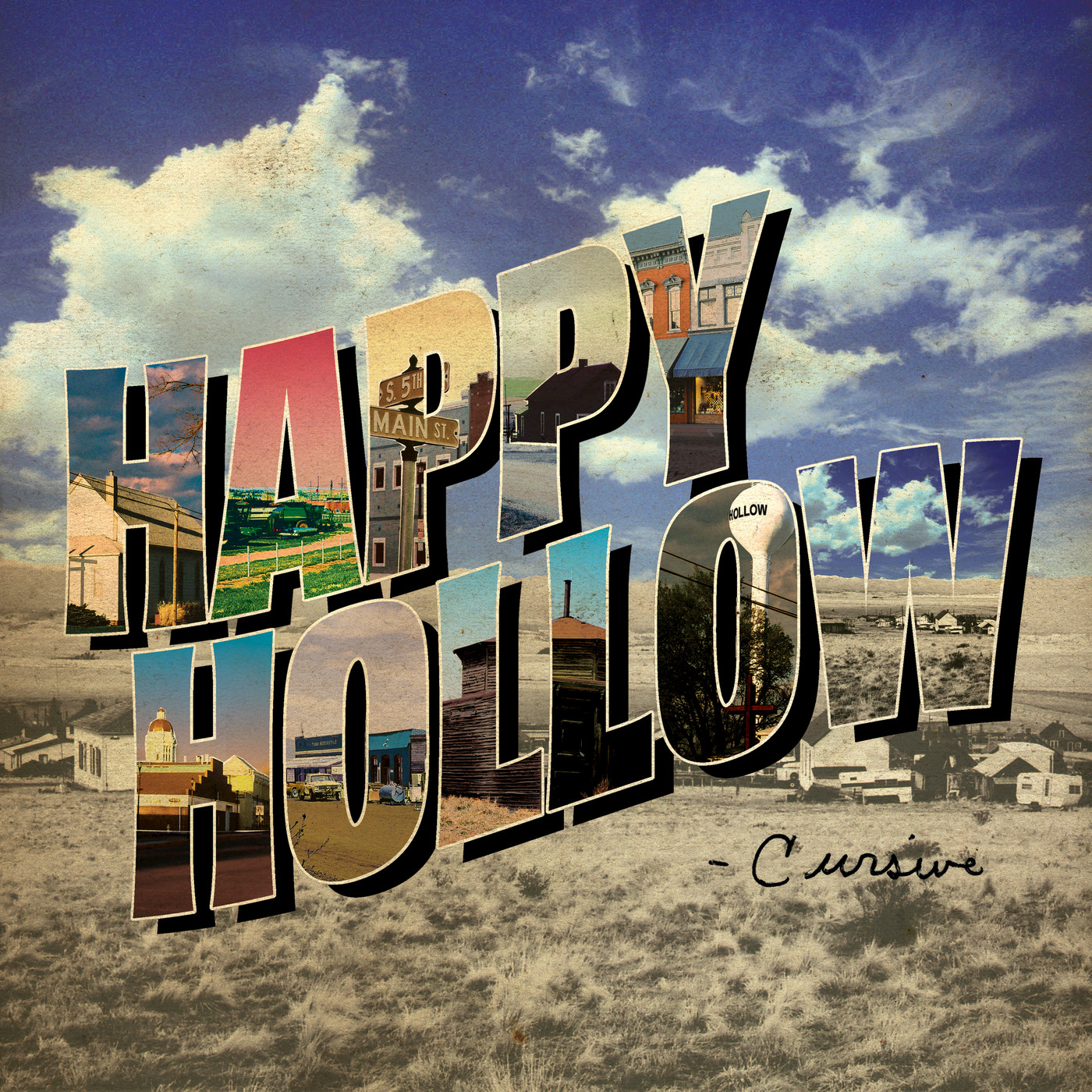
Cursive – Happy Hollow
RELEASE DATE: Aug. 22, 2006
ESSENTIALS: “Dorothy at Forty,” “Big Bang,” “Bad Science”
WHY IT MATTERS: Like its predecessors, 2000’s Domestica and 2003’s The Ugly Organ, Happy Hollow is a concept LP that welcomes us into a small town of “guilt, fables, and folly.” Pivoting from the cello-laden sound of their last album, Cursive instead leaned hard into horn arrangements as they told a story full of religious hypocrisy, morality, and indifference. What may be polarizing to one fan is abundant fun to another as the band tinkered with bouncy, expansive arrangements that edged them closer to third-wave ska than indie rock. —Neville Hardman
Vagrant
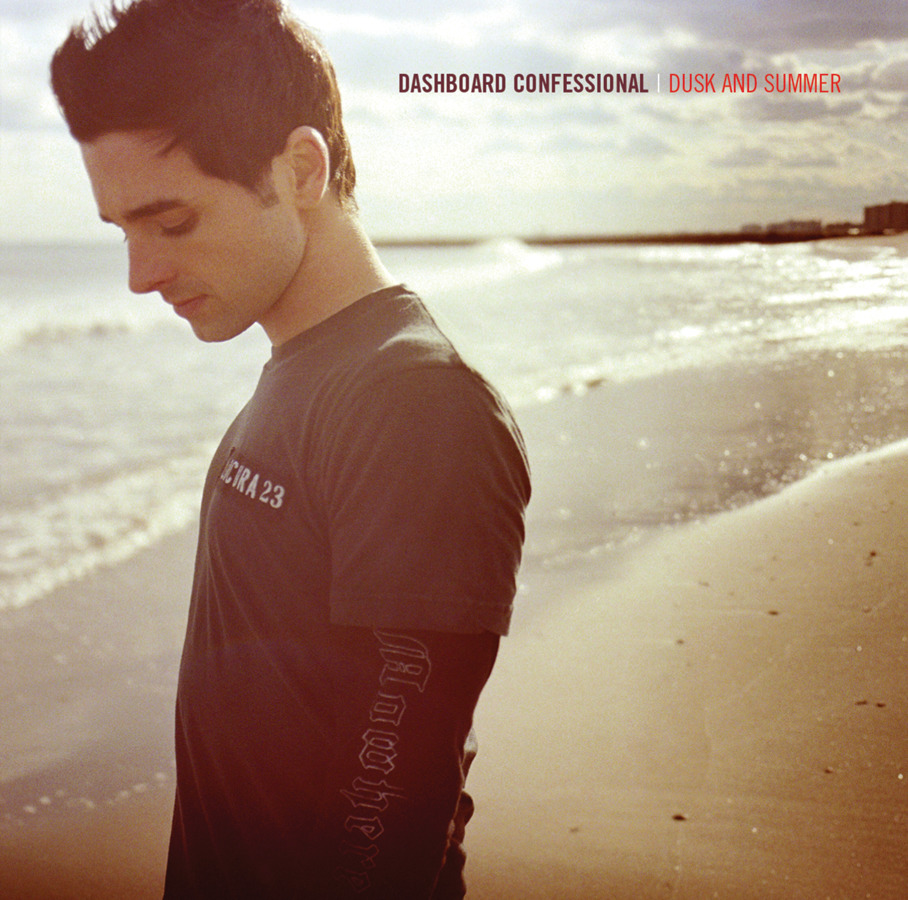
Dashboard Confessional – Dusk and Summer
RELEASE DATE: June 27, 2006
ESSENTIALS: “Don’t Wait,” “Stolen,” “Vindicated”
WHY IT MATTERS: Dusk and Summer represented a major pivot for Dashboard Confessional. On their fourth LP, DC moved away from the same stripped-down confessional acoustic tracks and enlisted a fuller band. The change-up mirrored the trajectory of emo/alt, which shifted from being a niche genre to one played on the radio and performed in larger venues. —Kelsey Barnes
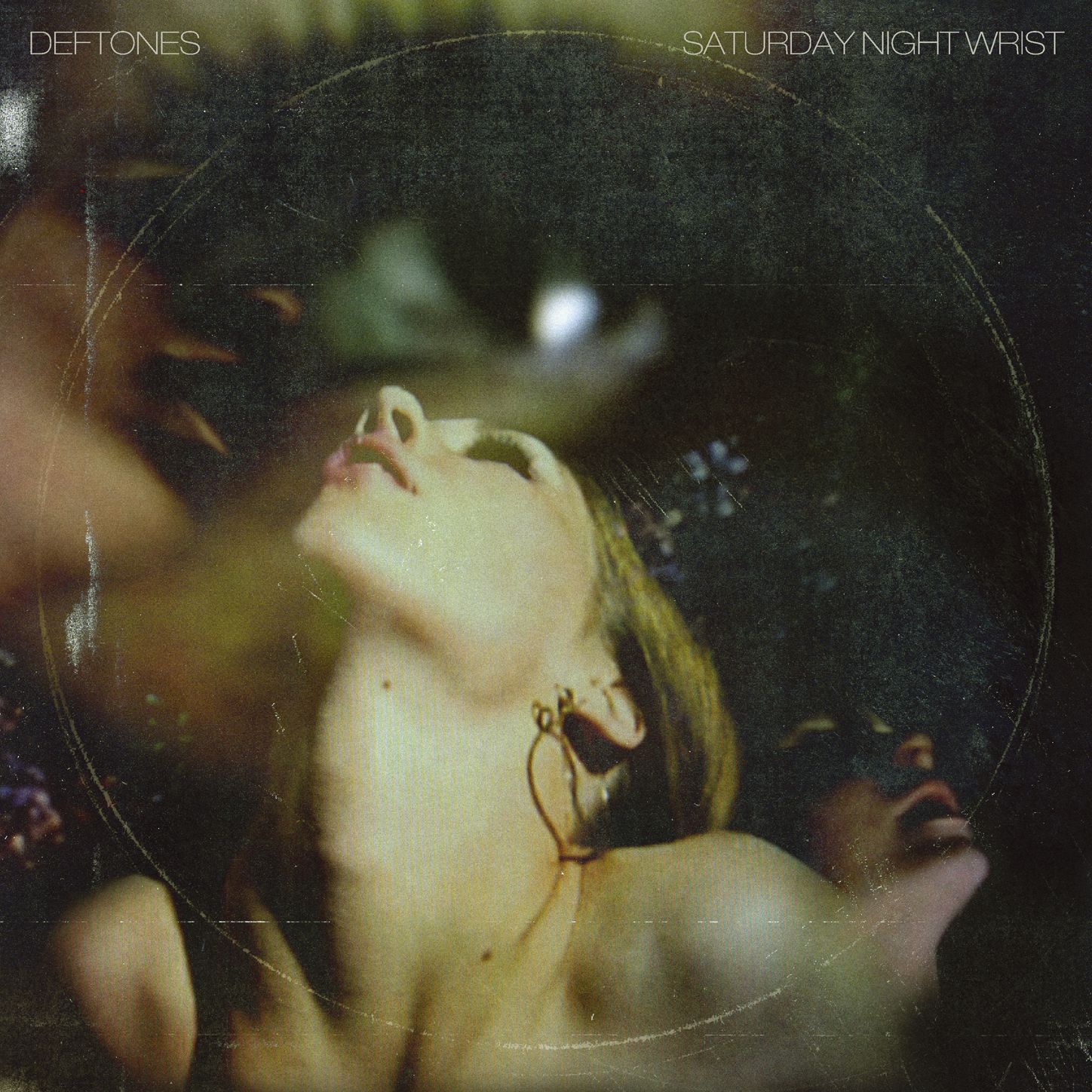
Maverick
Deftones – Saturday Night Wrist
RELEASE DATE: Oct. 31, 2006
ESSENTIALS: “Cherry Waves,” “Hole in the Earth,” “Beware”
WHY IT MATTERS: Released on Halloween, Saturday Night Wrist was radically different in sound, offering up heavier ambient, psychedelic, and art-rock waviness that reflected a dark period of the band. Still, the songs hold up: “Cherry Waves,” like the best Deftones songs, is drenched in groove, layered with distorted guitar tones alongside Chino Moreno’s sensual cries. The seething “Hole in the Earth” was written when Moreno thought he was getting kicked out, whereas “Beware” is a punch in the gut. —Neville Hardman
Epitaph
From First to Last – Heroine
RELEASE DATE: March 21, 2006
ESSENTIALS: “The Latest Plague,” “Waltz Moore,” “…And We All Have A Hell”
WHY IT MATTERS: The final album with vocalist Sonny Moore, From First to Last’s Heroine foreshadowed his future as Skrillex. The LP was an aggressive departure from their debut — a clear response to Moore’s frustration with the limited scope of screamo/post-hardcore. Its experimental and restless approach left a lasting mark on post-hardcore, pushing the boundaries of genre — something Moore continues to do as Skrillex. —Kelsey Barnes
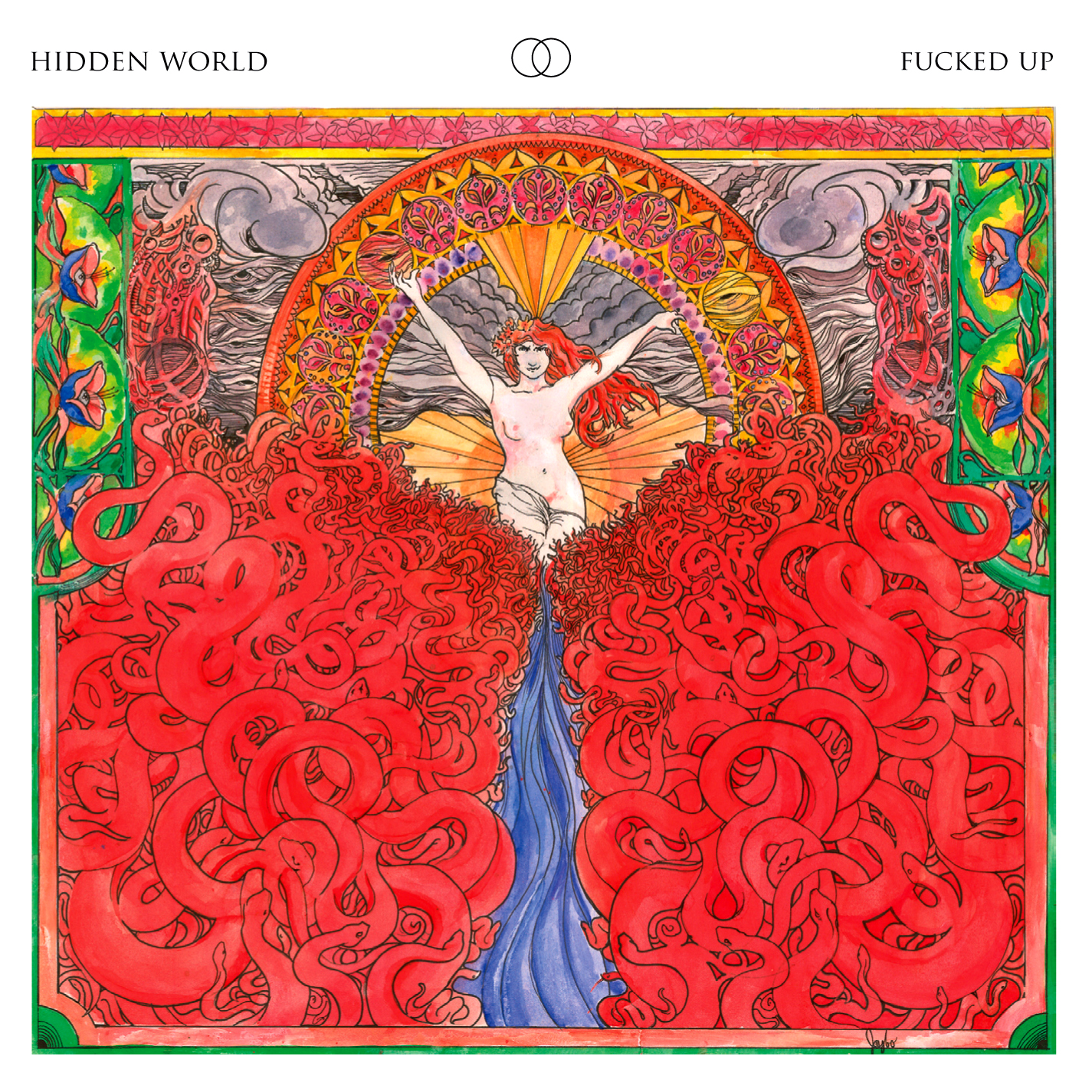
Jade Tree
Fucked Up – Hidden World
RELEASE DATE: Oct. 10, 2006
ESSENTIALS: “The Two Snakes,” “Vivian Girls,” “David Comes to Life”
WHY IT MATTERS: Rarely is a debut project so fleshed out. In the case of Fucked Up’s Hidden World, years of releasing EPs and seven-inches led to a uniformly excellent LP. For a band grounded in punk, the songs are unusually long and rife with violins, making them a bit of a head turn at the time. However, they work on multiple levels, setting them apart from their peers. No idea is overly lofty or ridiculous. —Neville Hardman
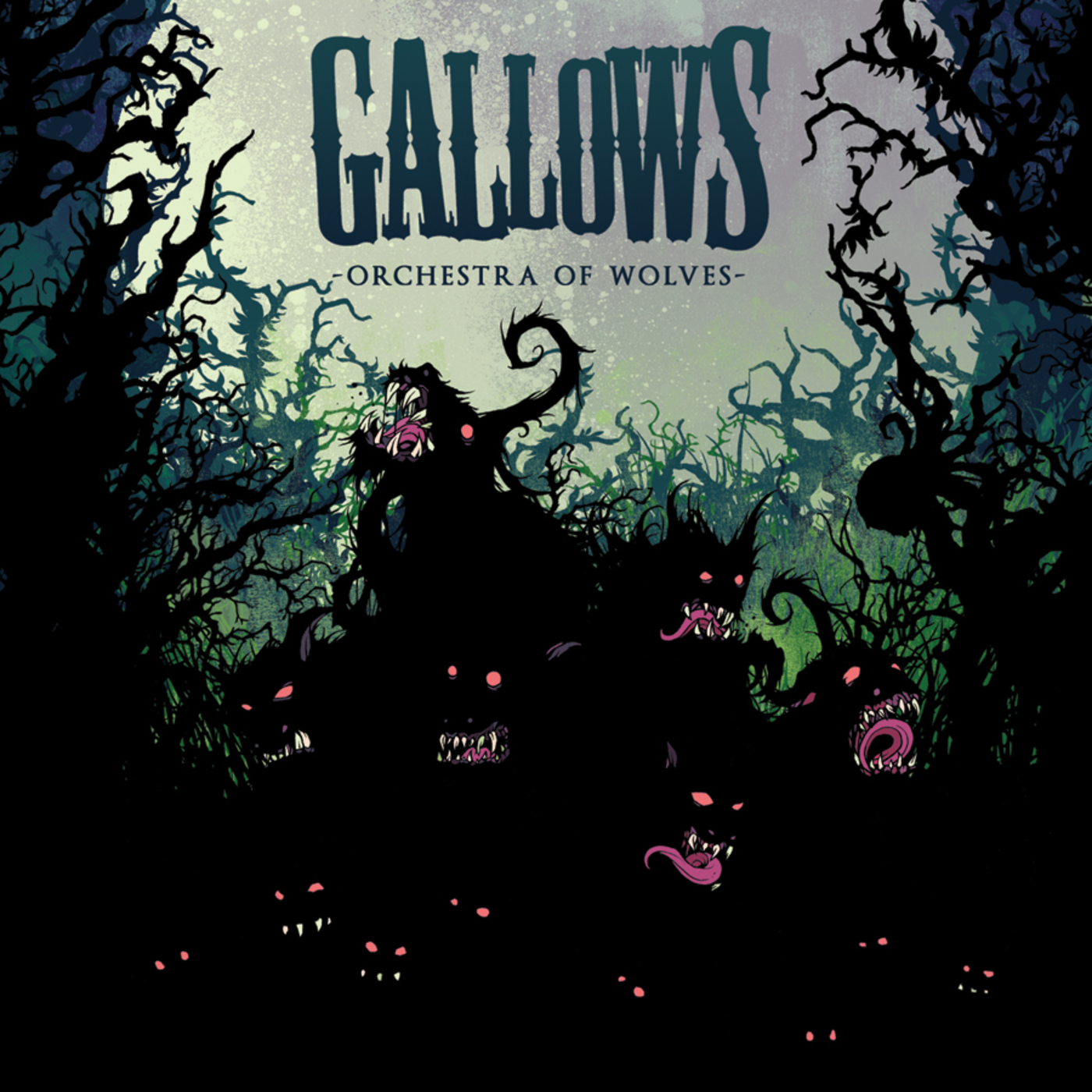
In at the Deep End
Gallows – Orchestra of Wolves
RELEASE DATE: Sept. 25, 2006
ESSENTIALS: “Abandon Ship,” “In The Belly Of A Shark,” “Orchestra of Wolves”
WHY IT MATTERS: The raucous debut from Gallows reasserted hardcore’s presence at a time when alternative culture was increasingly leaning toward pop and commercialization. In rejecting polished production, Gallows helped elevate the U.K. hardcore scene within the global alternative genre and showed rising bands that aggression and thrashing instrumentation still had a place in the scene. —Kelsey Barnes
Victory
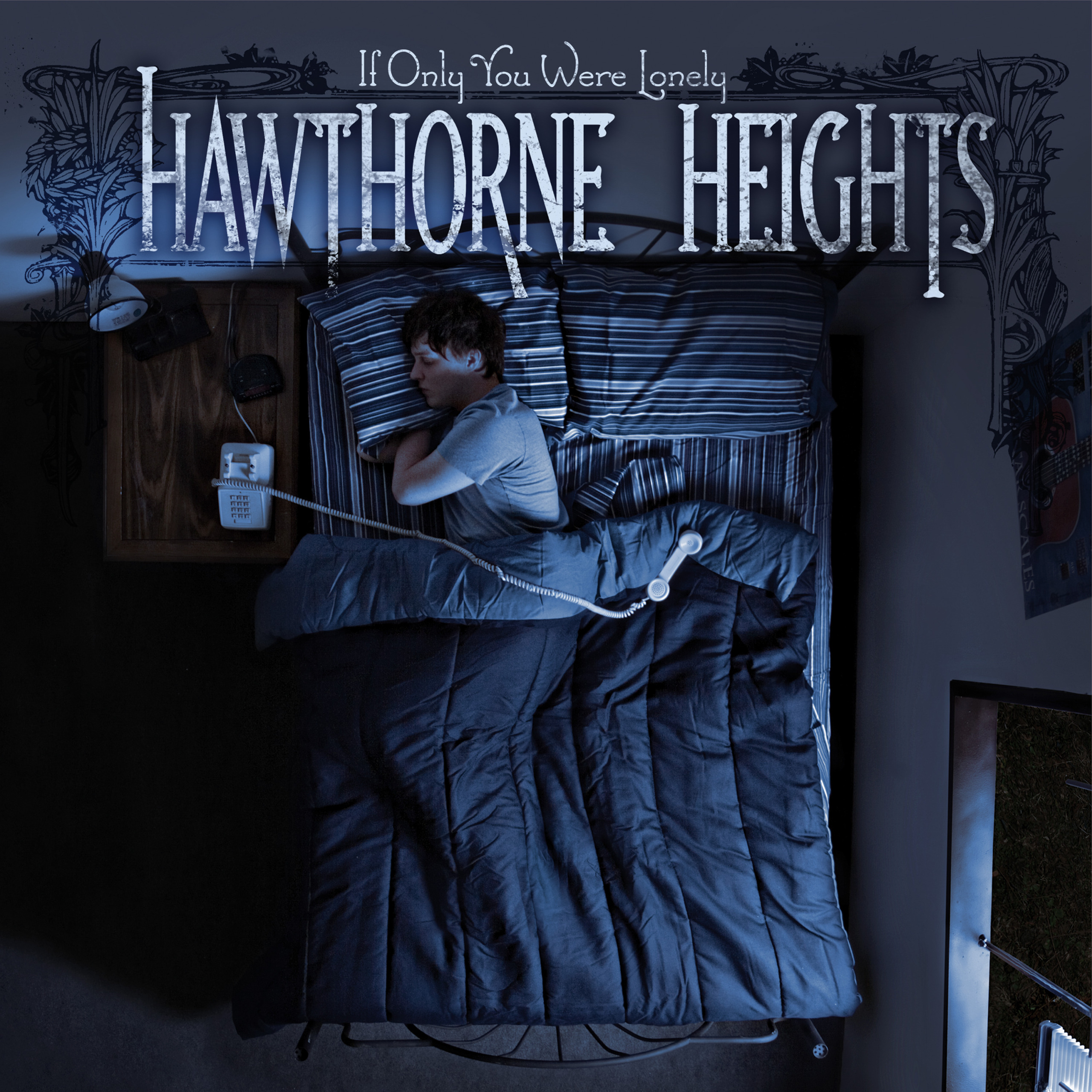
Hawthorne Heights – If Only You Were Lonely
RELEASE DATE: Feb. 28, 2006
ESSENTIALS: “Saying Sorry,” “Pens And Needles,” “This Is Who We Are”
WHY IT MATTERS: If Only You Were Lonely was Hawthorne Heights doubling down on their previous themes of heartbreak and melodrama, with “Saying Sorry” and “This Is Who We Are” hitting radio and TV, helping them break into the mainstream. A reflection of the time, If Only You Were Lonely marked a moment when being “emo” was more than just an aesthetic but a social touchstone, influencing both music and mid-2000s alt culture. —Kelsey Barnes
Vagrant
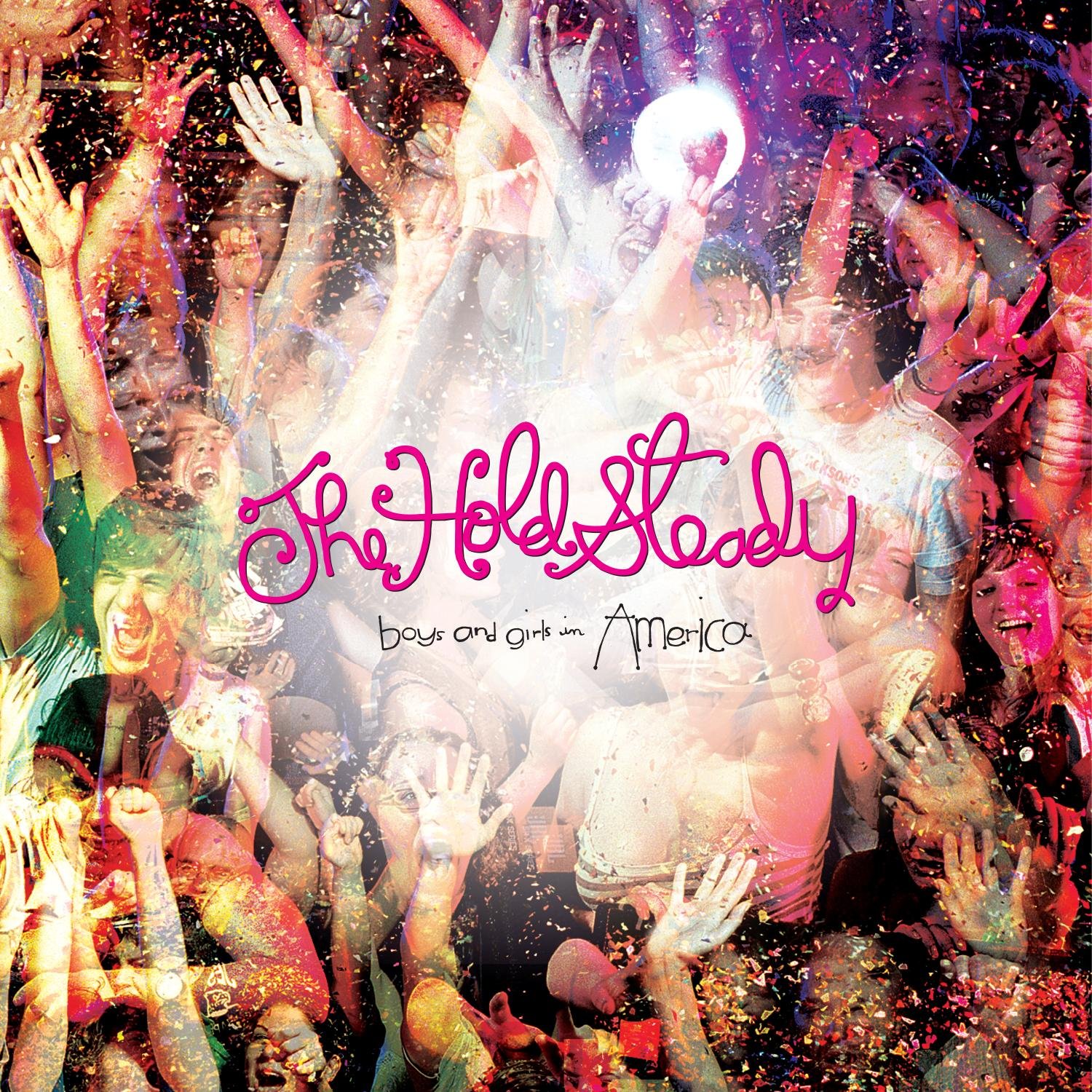
The Hold Steady – Boys and Girls in America
RELEASE DATE: Oct. 3, 2006
ESSENTIALS: “First Night,” “Party Pit,” “Massive Nights”
WHY IT MATTERS: The Hold Steady’s Boys and Girls in America takes us deep into the Midwest. More specifically, we travel down into the streets of Minneapolis, where house parties rage near Washington Avenue Bridge, boyfriends deal with the dealers, and the girls are golden with bar light and beer. By the end, Boys and Girls in America expertly captures what it’s like to be young, messy, and both exhausted and enamored with it. —Neville Hardman
Stones Throw
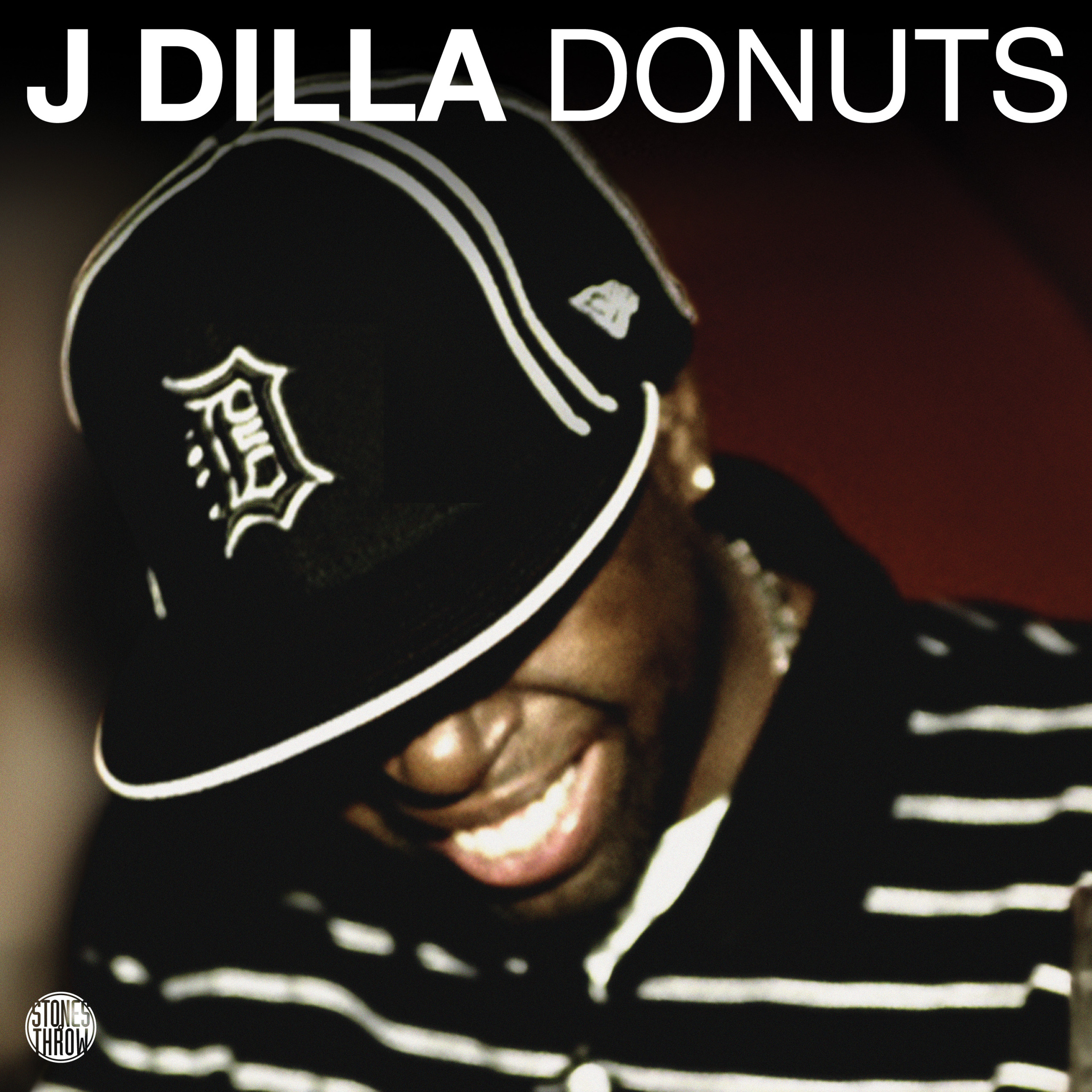
J Dilla – Donuts
RELEASE DATE: Feb. 7, 2006
ESSENTIALS: “Last Donut of the Night,” “Don’t Cry,” “Two Can Win”
WHY IT MATTERS: Released on Jay Dee’s 32nd birthday, three days before his death, what’s left to say about Donuts? The producer treaded hip-hop with tireless creativity, deep soul, and encyclopedic music knowledge from spending hundreds of hours in record shops, redefining the genre by sampling songs on an MPC3000. His reach extends well beyond hip-hop, reflected in modern-day visionaries like Makaya McCraven and Jeff Parker. For a bittersweet, endlessly insightful look at Dilla and Donuts, pick up Dan Charnas’ Dilla Time. —Neville Hardman
Reprise
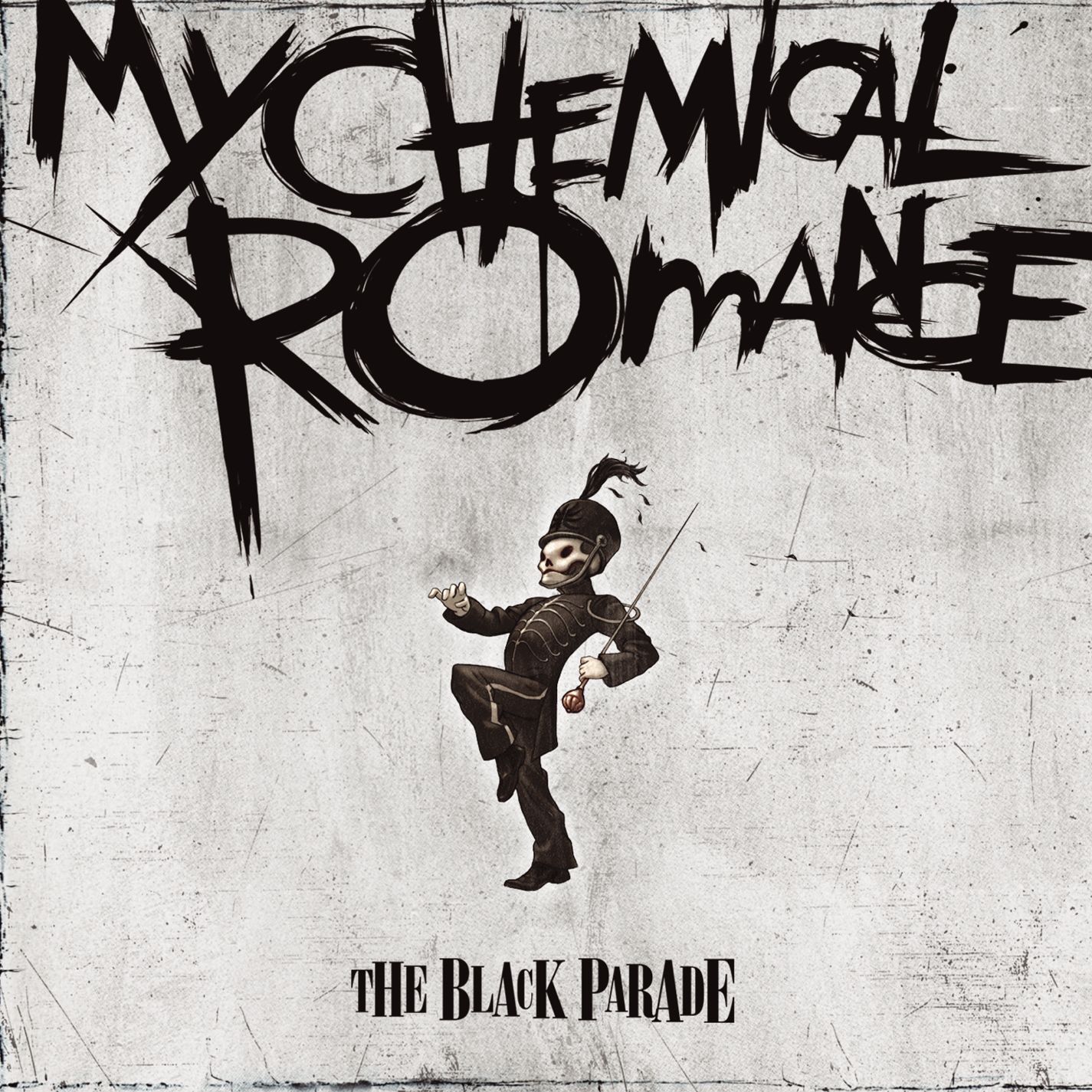
My Chemical Romance – The Black Parade
RELEASE DATE: Oct. 23, 2006
ESSENTIALS: “Teenagers,” “Welcome To The Black Parade,” “Mama”
WHY IT MATTERS: The Black Parade became a call-to-arms for emo kids and has since turned into a generational soundtrack. The fusion of larger-than-life theatrics and conceptual storytelling, along with its confessional, melodramatic lyrics, helped elevate MCR into mainstream heroes. The LP was proof that it was possible to redefine what emo could be, shifting the perception of the genre and its potential. —Kelsey Barnes
XL
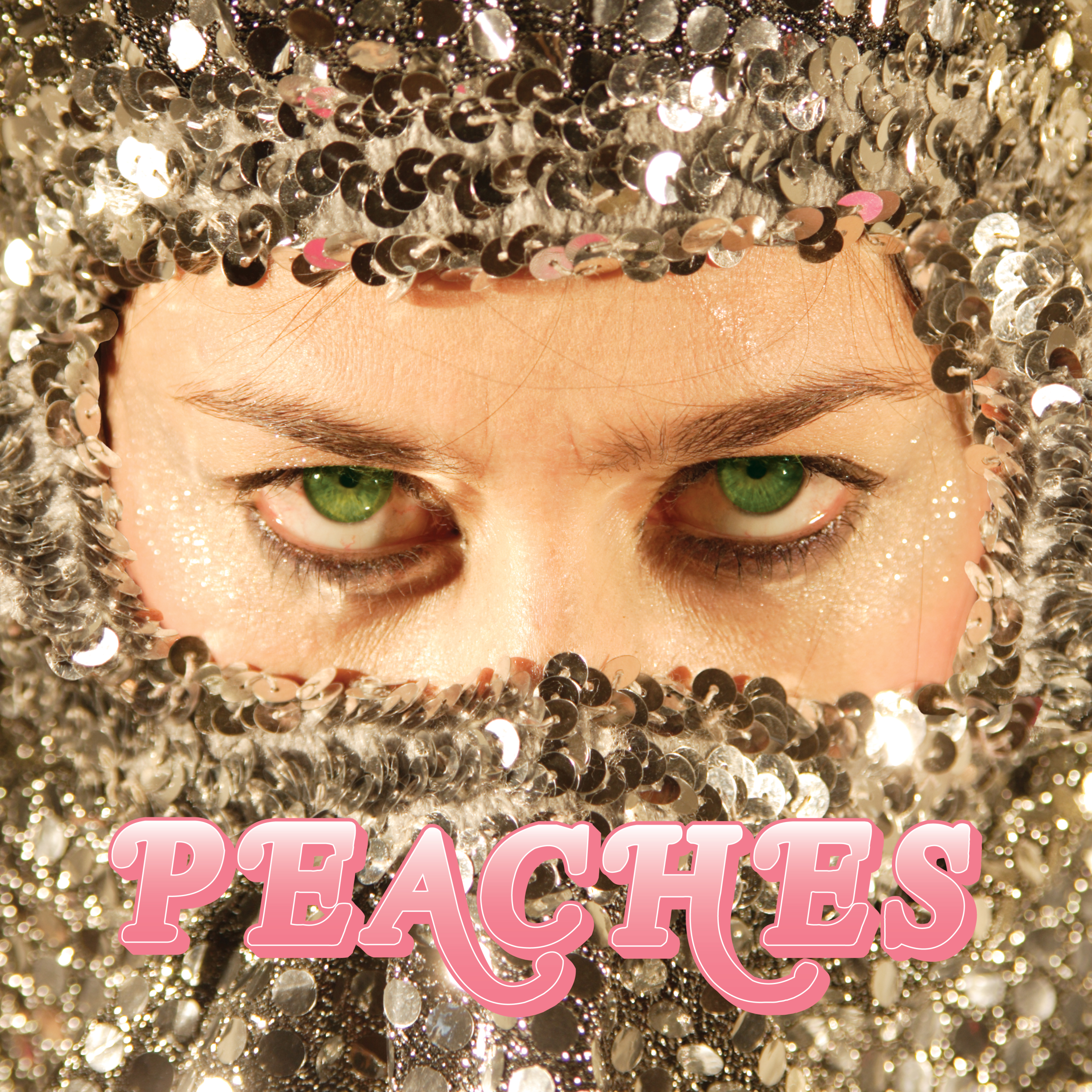
Peaches – Impeach My Bush
RELEASE DATE: July 11, 2006
ESSENTIALS: “Two Guys (For Every Girl),” “You Love It,” “Get It”
WHY IT MATTERS: Four years after Peaches implored us to “Fuck the Pain Away,” the singer returned with another big ask during the summer of 2006. Impeach My Bush was woefully needed, merging political observations with crass, hypersexualized humor over an electro-punk backdrop. Featuring collaborations with Joan Jett and Gossip’s Beth Ditto, the LP led to a Gap ad, a tour with Nine Inch Nails, and a GLAAD nomination for its brash style. —Neville Hardman
Geffen
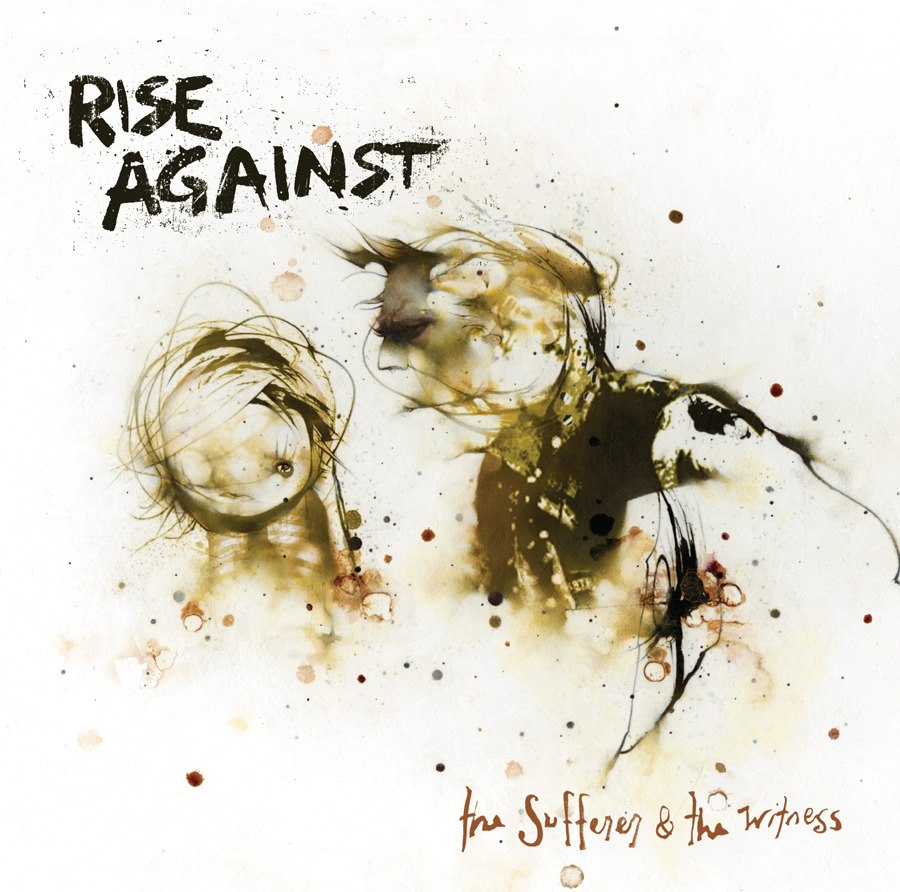
Rise Against – The Sufferer & the Witness
RELEASE DATE: July 4, 2006
ESSENTIALS: “Under The Knife,” “Behind Closed Doors,” “Prayer of the Refugee”
WHY IT MATTERS: Rise Against’s fourth LP was their response to social and political issues around the world, with songs like “Prayer of the Refugee” and “Bricks” emphasizing their message within tightly structured compositions and anthemic choruses. The music mirrored the time, which helped cement Rise Against as one of the most influential punk bands of the era — proving that socially aware music could still have commercial success. —Kelsey Barnes
Warner Bros.
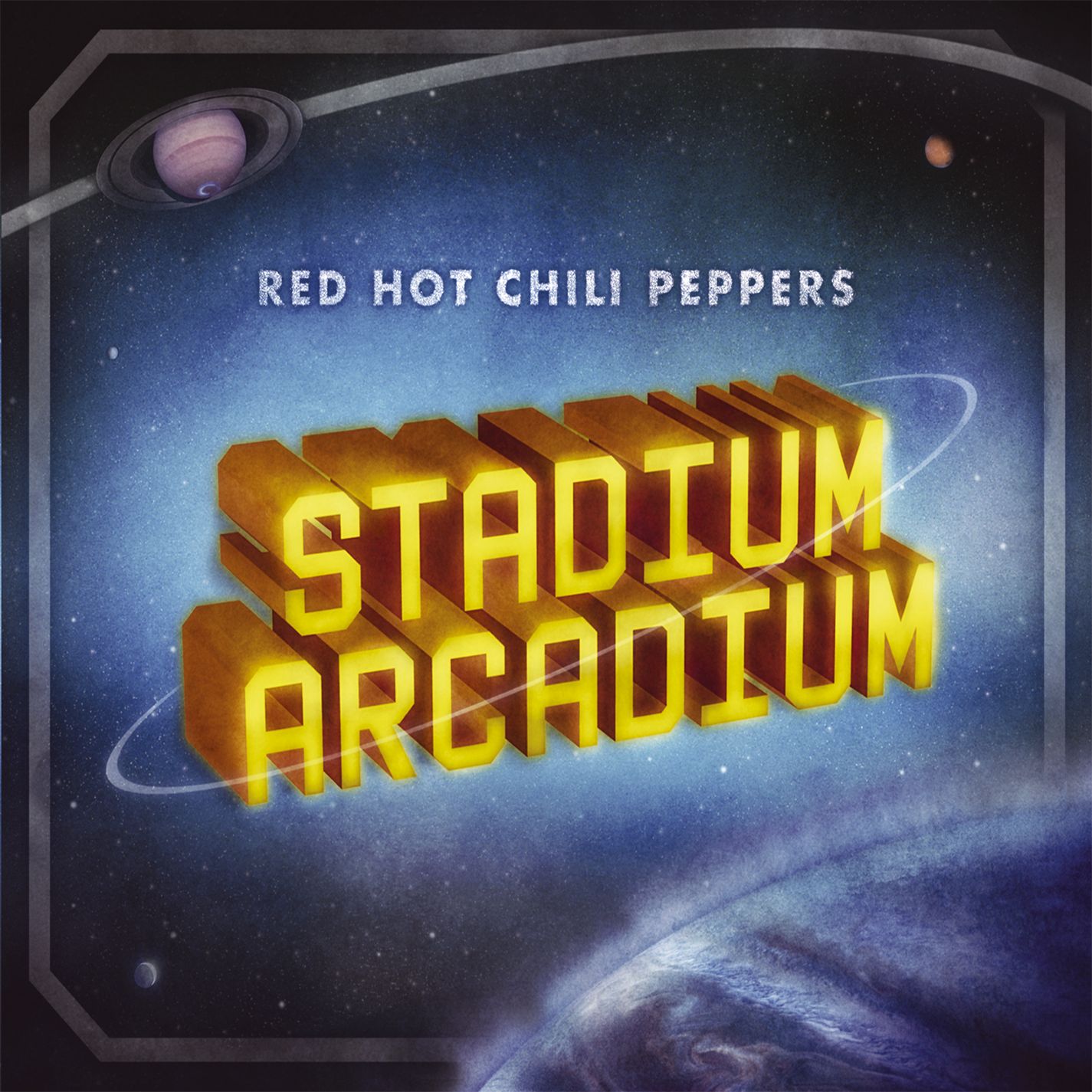
Red Hot Chili Peppers – Stadium Arcadium
RELEASE DATE: May 9, 2006
ESSENTIALS: “Slow Cheetah,” “Desecration Smile,” “Wet Sand”
WHY IT MATTERS: Through its mammoth-sized tracklist, Red Hot Chili Peppers’ Stadium Arcadium was an attempt to crystallize their many styles — Funkadelic-indebted metal, stoner alt-rock, wounded balladry — into a refined, kaleidoscopic statement of intent. Beyond the direction of their musical guru, Rick Rubin, much of that comes from John Frusciante, who guided the songwriting, indulged in flashier guitar leads, and provided backing vocals on nearly every track. As the last RHCP album to feature him until 2022, Frusciante takes big swings, whether through atomic riffs (“Tell Me Baby”) or falsetto harmonies (“Give It Away”). —Neville Hardman
Capitol
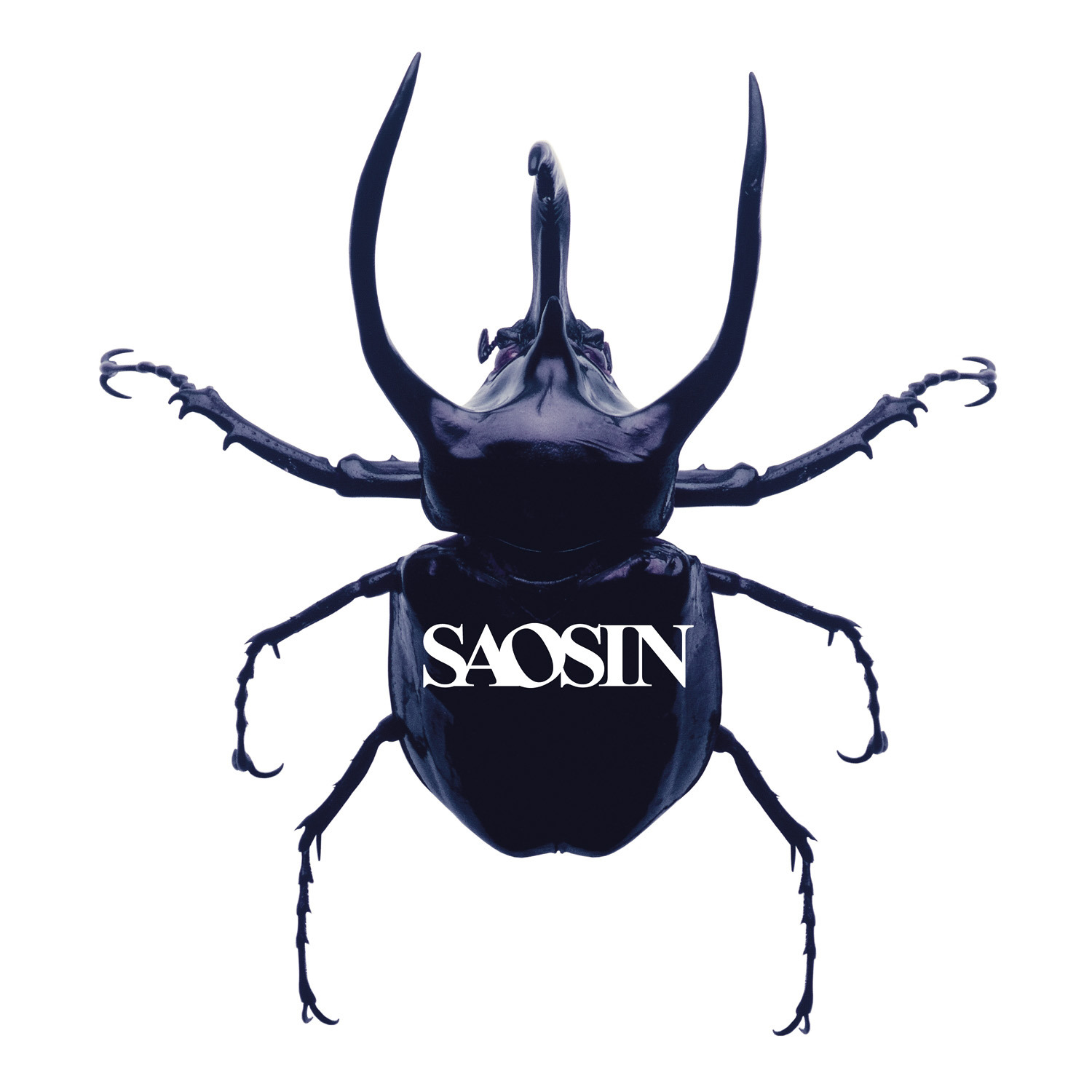
Saosin – Saosin
RELEASE DATE: Sept. 26, 2006
ESSENTIALS: “You’re Not Alone,” “Voices,” “Bury Your Head”
WHY IT MATTERS: Saosin’s self-titled debut became a cornerstone of mid-2000s post-hardcore — a record that blended tight, aggressive riffing with memorable hooks and shifts. After Anthony Green left the band, vocalist Cove Reber joined Saosin, and the self-titled helped the band transition from cult-favorite EP artists to a fully realized presence in the scene, reaching a broader alternative audience without sacrificing technical precision. —Kelsey Barnes
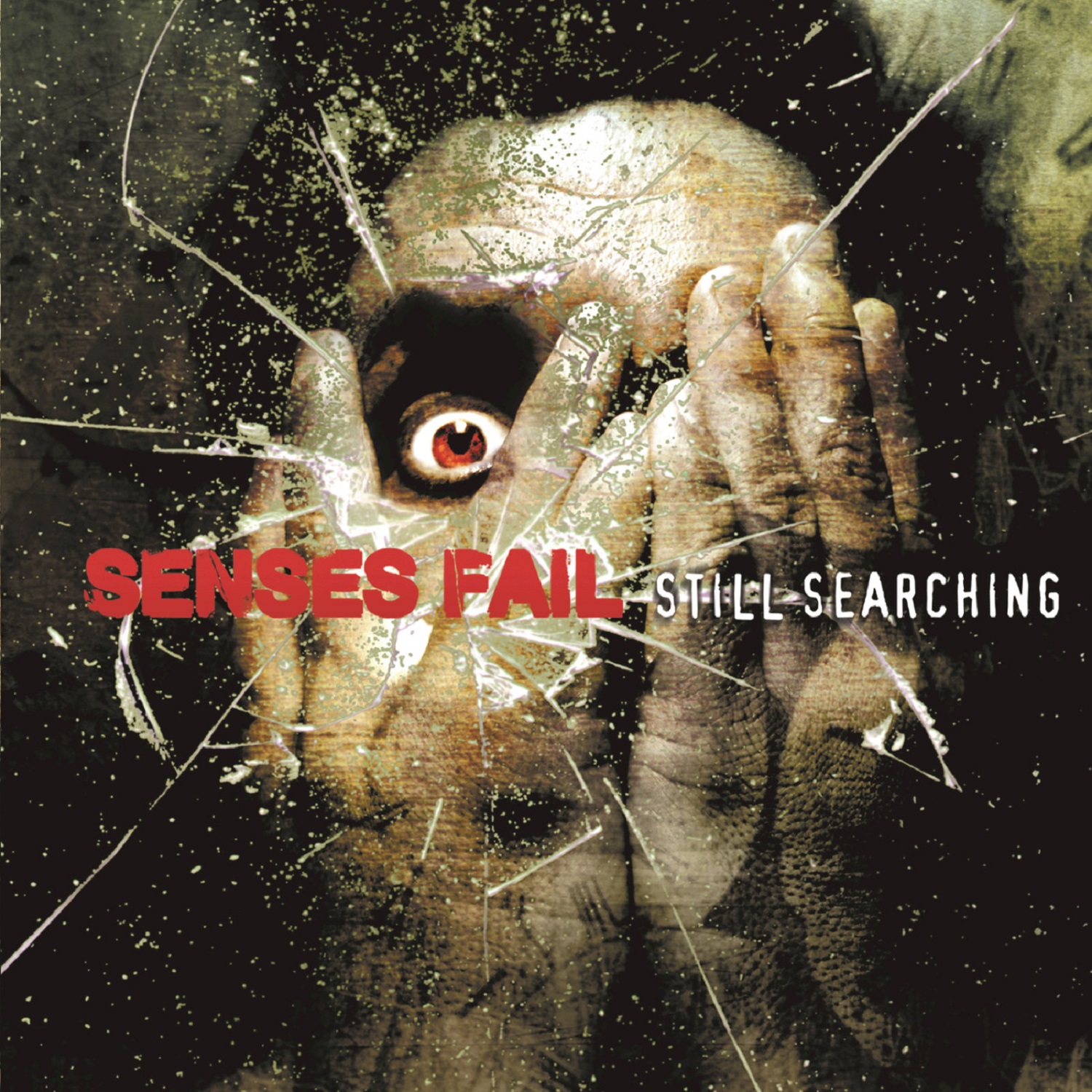
Vagrant
Senses Fail – Still Searching
RELEASE DATE: Oct. 10, 2006
ESSENTIALS: “Can’t Be Saved,” “Bonecrusher,” “Calling All Cars”
WHY IT MATTERS: Still Searching was musically tighter and emotionally heavier than Senses Fail’s earlier work. It represented a decisive shift away from their earlier records to more introspective territory, exploring coming-of-age themes that resonated with an audience aging alongside them. Still Searching helped reframe emo as a space for growth and reflection, rather than just a mere aesthetic or trend. —Kelsey Barnes
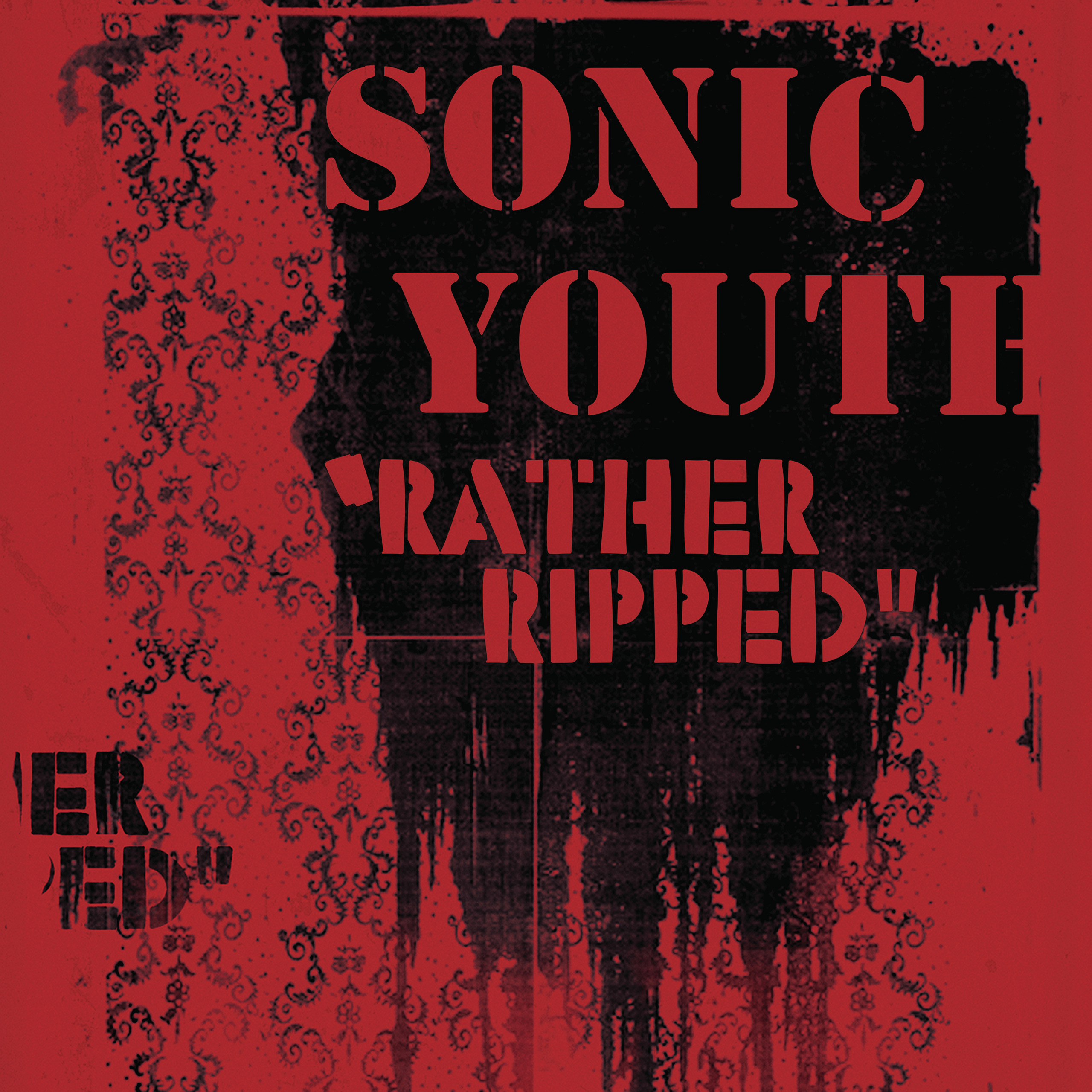
Geffen
Sonic Youth – Rather Ripped
RELEASE DATE: June 13, 2006
ESSENTIALS: “Incinerate,” “What a Waste,” “Rats”
WHY IT MATTERS: By the time Sonic Youth released Rather Ripped in the summer of 2006, they’d already released a run of untouchable classics. In the company of co-producer John Agnello, they made another late-period jewel, where the band that once used electric drills and unorthodox tunings overhauled their style again. They turned toward pop, couching sticky melodies into a collection of tight, extremely accessible songs. It’s as much of a gateway album to their weird domain as Daydream Nation or Goo. —Neville Hardman
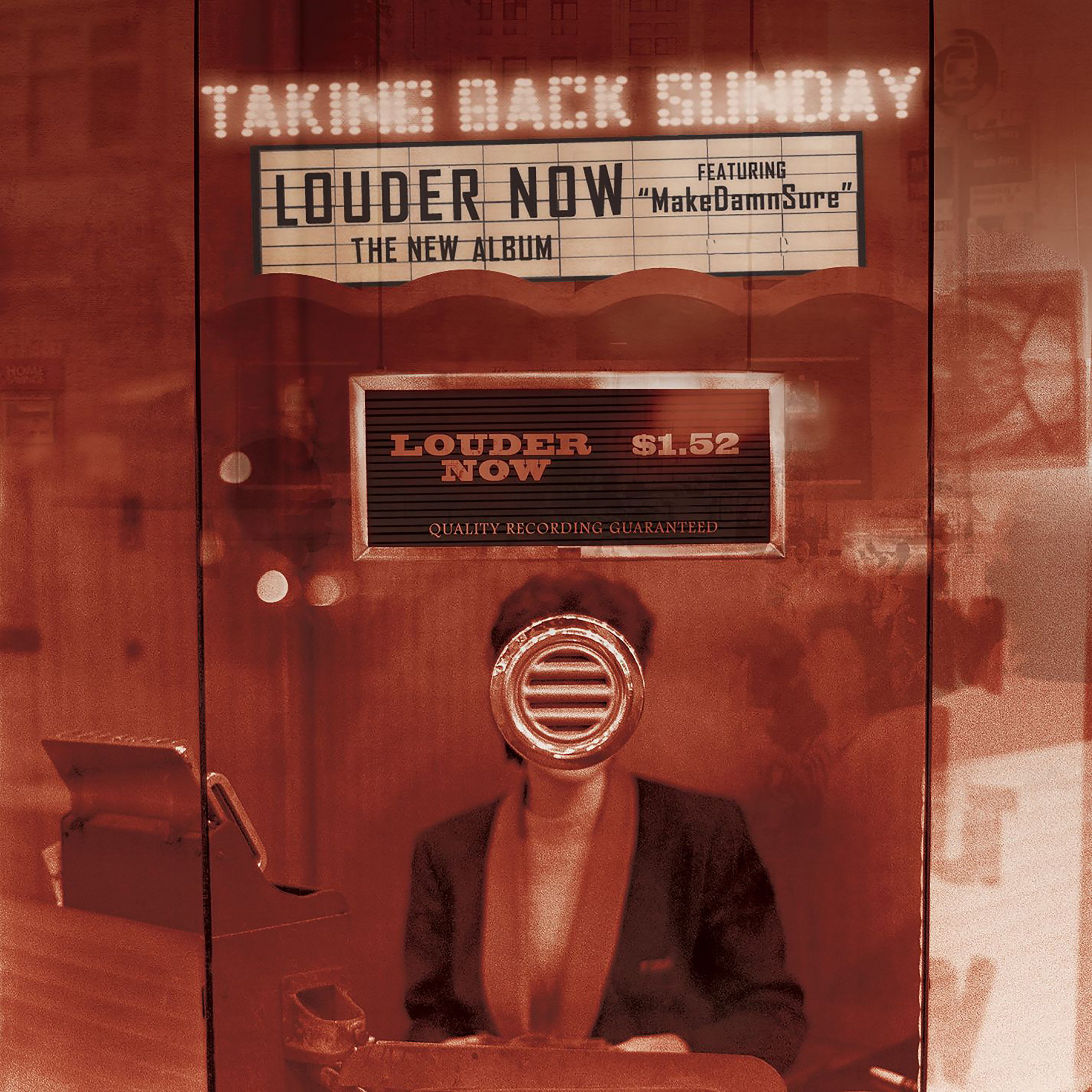
Warner Bros.
Taking Back Sunday – Louder Now
RELEASE DATE: April 25, 2006
ESSENTIALS: “MakeDamnSure,” “Liar (It Takes One to Know One),” “What’s It Feel Like To Be A Ghost?”
WHY IT MATTERS: Louder Now pushed Taking Back Sunday into the mainstream, thanks to cleaner production and larger-than-life choruses. “MakeDamnSure” was one of just a handful of tracks from that era, which became a shout-along anthem, while the overall record was accessible and digestible for both fans of the genre and a larger mass appeal. —Kelsey Barnes
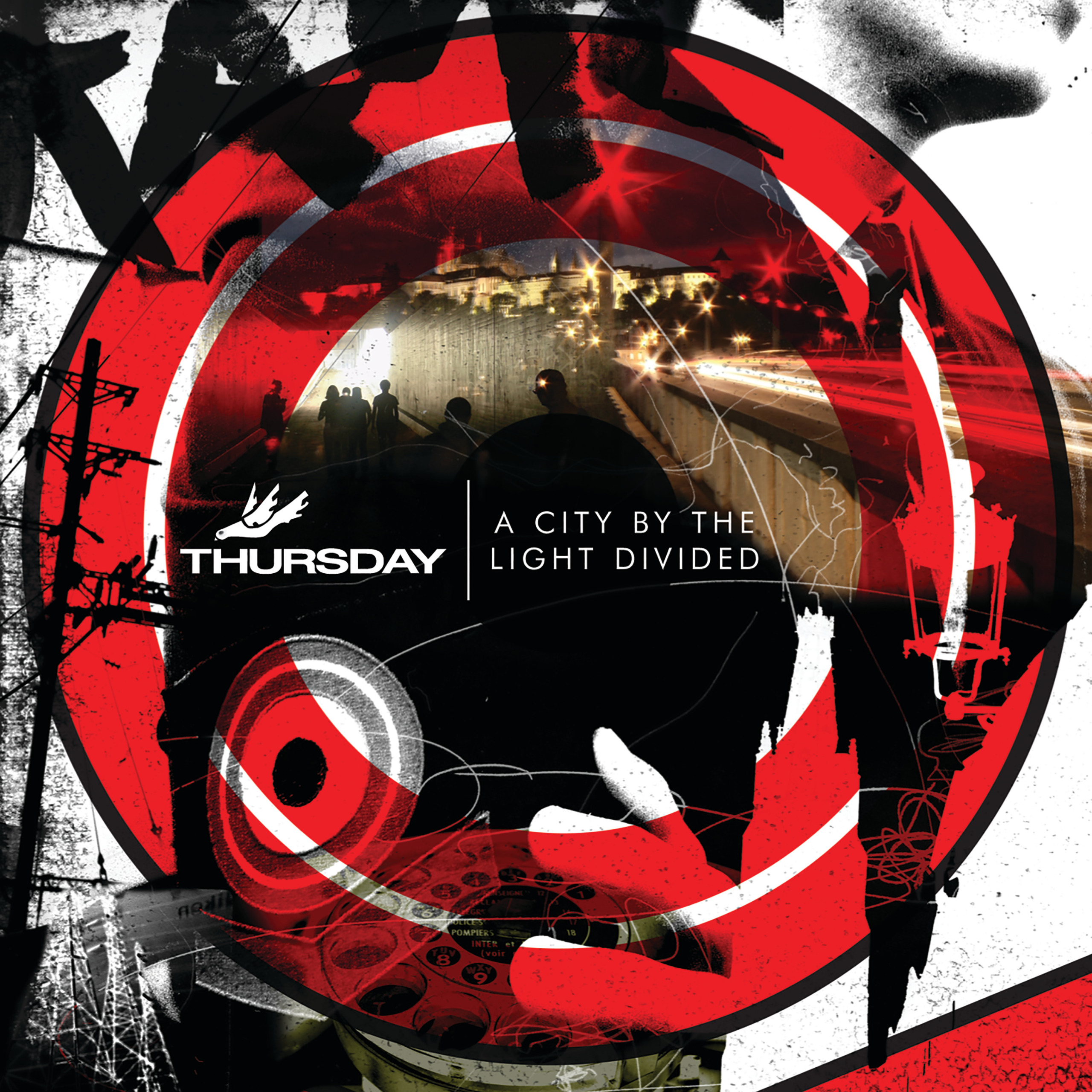
Island
Thursday – A City by the Light Divided
RELEASE DATE: May 2, 2006
ESSENTIALS: “At This Velocity,” “Autumn Leaves Revisited,” “The Lovesong Writer”
WHY IT MATTERS: A City by the Light Divided showed off a different Thursday, swinging from their raw screamo days for a riskier approach that was originally intended to be a double album. Produced by Dave Fridmann, ACBTLD occupies spacious density, tuning into dynamics, melody, and atmosphere rather than mainlining pure aggression. Always steeped in literary storytelling, Geoff Rickly fixated on Octavio Paz’s poetry for the lyrics, channeling that intense imagery into songs about near-death experiences, arson, and meta love. The band will celebrate it on tour, alongside milestone anniversaries of Full Collapse and No Devolución, in April. —Neville Hardman
4AD
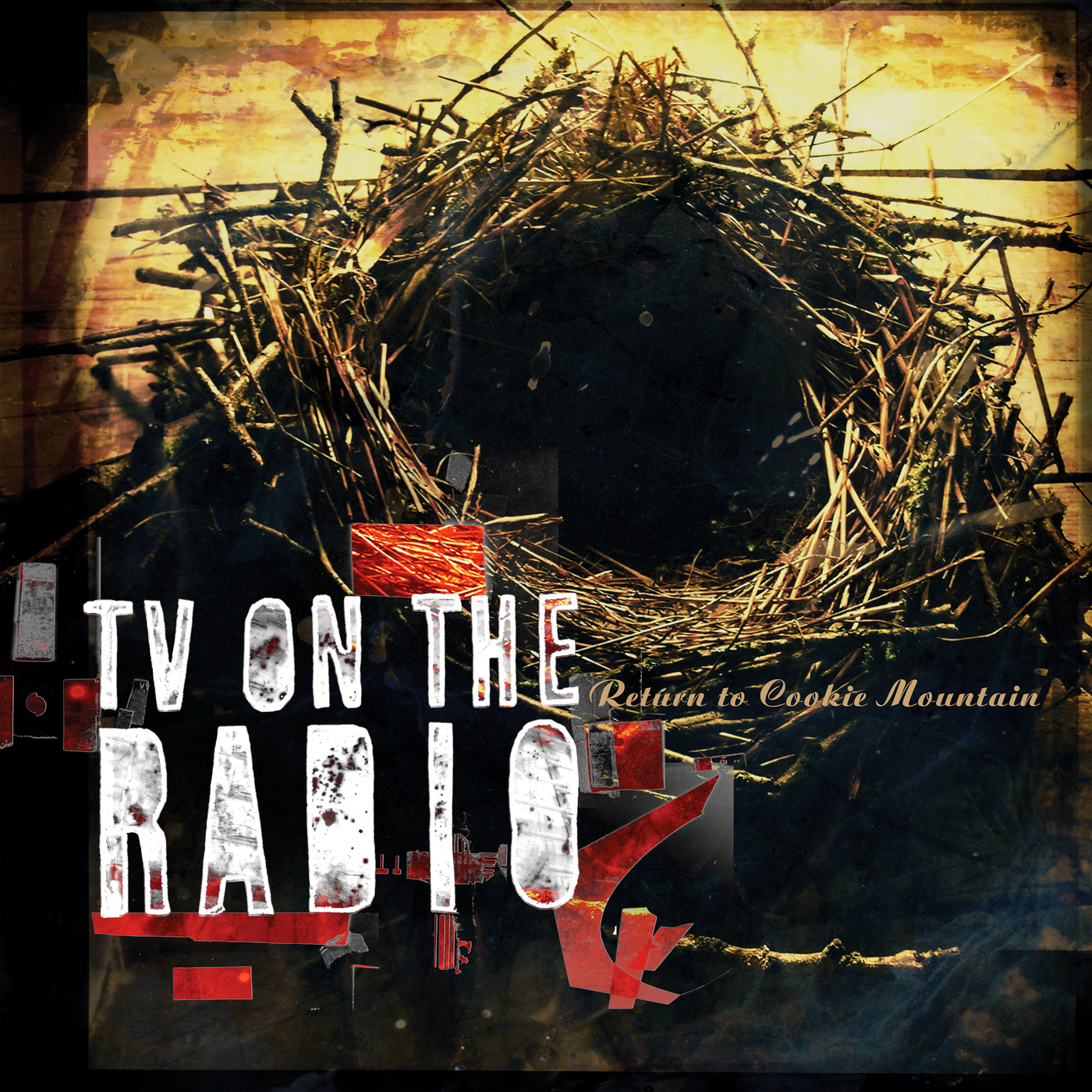
TV on the Radio – Return to Cookie Mountain
RELEASE DATE: July 6, 2006
ESSENTIALS: “Wolf Like Me,” “Province,” “I Was a Lover”
WHY IT MATTERS: TV on the Radio’s Return to Cookie Mountain was a feat, containing 11 shapeshifting songs that built on their 2004 debut. From front to back, the Brooklyn group’s sophomore outing helped indie rock reach its next phase, pivoting from the scruffy garage rock of the moment to denser, more challenging territory. “Wolf Like Me” became their hallmark, solidified by its presence on Guitar Hero 5, a Letterman performance, and later a Nike ad. —Neville Hardman
Capitol
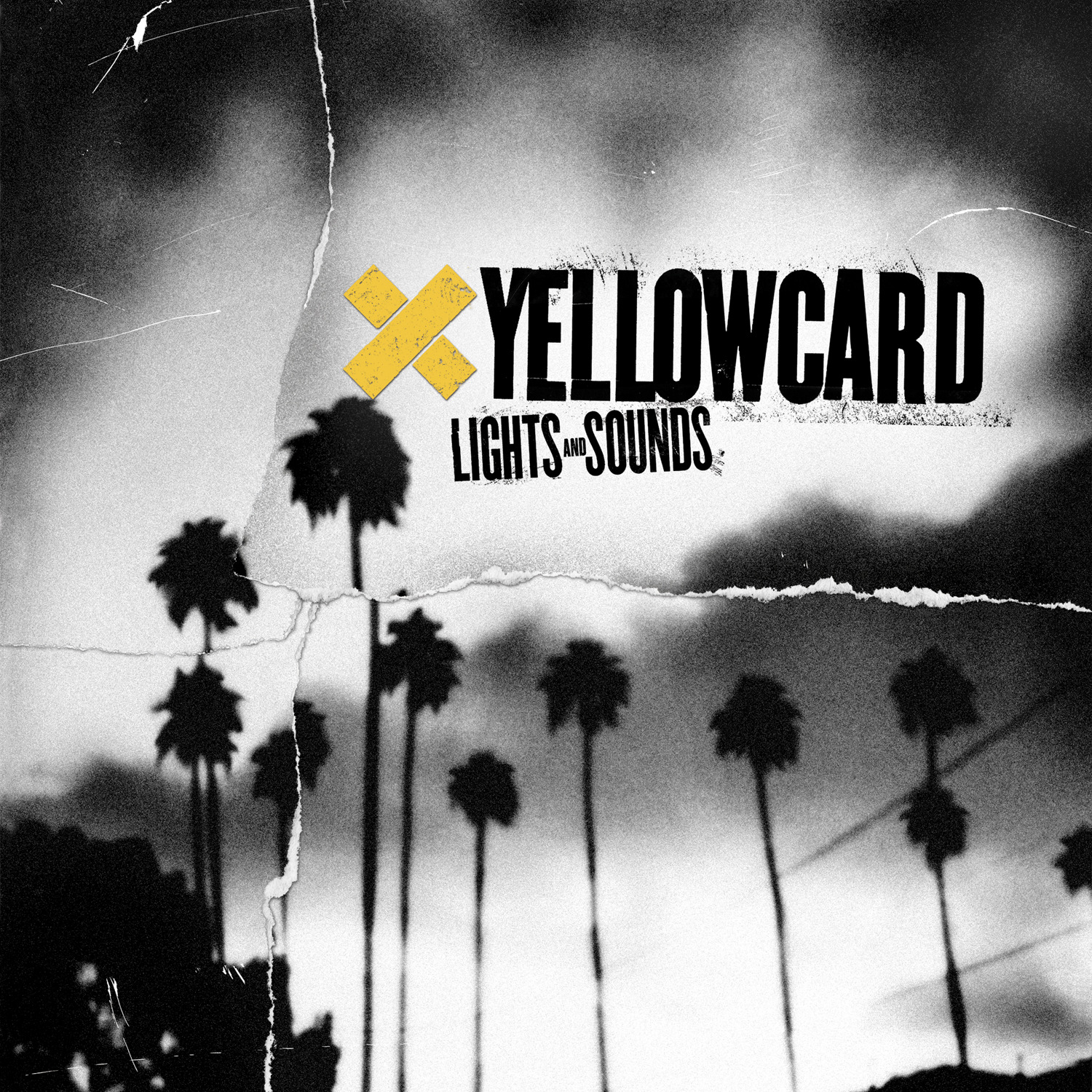
Yellowcard – Lights and Sounds
RELEASE DATE: Jan. 24, 2006
ESSENTIALS: “Rough Landing, Holly,” “Lights And Sounds,” “How I Go”
WHY IT MATTERS: Despite being in the shadow of Ocean Avenue, Yellowcard’s fourth full-length, Lights and Sounds, expanded on their heartfelt pop punk with a darker, more cinematic lens. The sudden fame and pressure of meeting expectations forced the band to make something different. What came out was an integral transitional work that demonstrated emotional depth and ambition beyond what people wanted them to do next, which was to repeat their Ocean Avenue formula. —Kelsey Barnes
Tooth & Nail
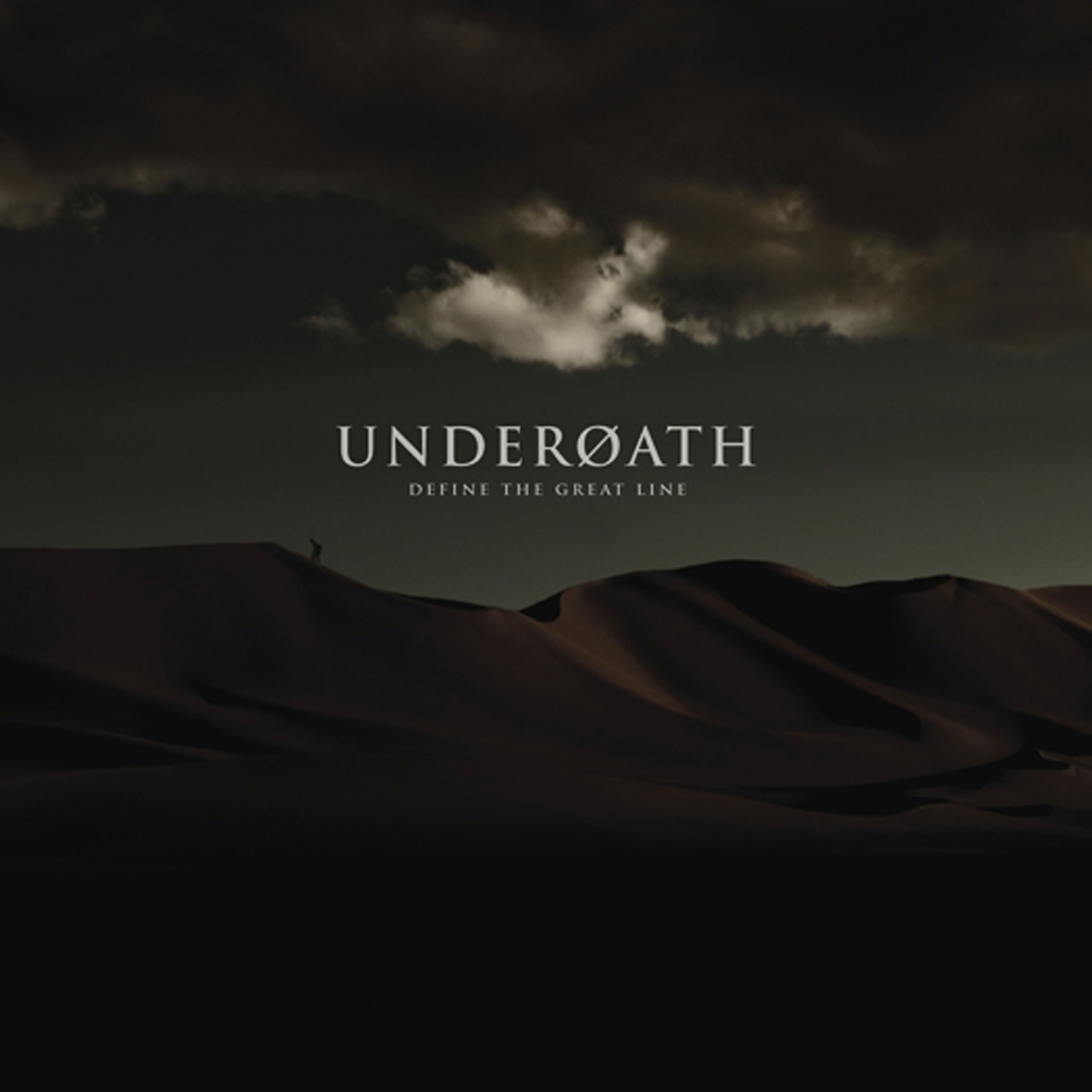
Underoath – Define the Great Line
RELEASE DATE: June 20, 2006
ESSENTIALS: “Writing on the Walls,” “Casting Such A Thin Shadow,” “Moving for the Sake of Motion”
WHY IT MATTERS: In 2006, Underoath had much to aspire to. Their previous LP, 2004’s They’re Only Chasing Safety, was their breakthrough, strengthened by the addition of vocalist Spencer Chamberlain. Hopping in the studio with Killswitch Engage guitarist Adam Dutkiewicz, the band recorded a handful of songs that dialed in the divine chemistry between Chamberlain and drummer Aaron Gillespie, who let out soaring cleans to contrast the former’s growls and shrieks. That yielded anthems like “Writing on the Walls” and their highest-charting record yet. —Neville Hardman