“How a lot of the songs start is us on the couch with the guitar and the keyboard, just riffing something out,” MX LONELY’s Rae Haas says, sitting next to guitarist Jake Harms in their Brooklyn kitchen while their cat, Professor, scales the counter. “Whatever’s on my mind, stream of consciousness. Then we make it loud and big because it’s the medicine I need for dealing with that. Finding DIY music when I was 20, I cried the first time I was in a mosh because I was like, ‘I needed this, and I didn’t know this existed.’ Other people need this, too.”
Those nights, largely hosted at Don Pedro by the record label King Pizza, still burn brightly in Haas’ memory, foregrounding MX LONELY’s desire for bare-bones live production, affordability, and a space to cut loose in communion. “Rae was such a big fan of this punk scene and had all this enthusiasm and energy, and it snapped me out of feeling jaded. I had basically been touring my whole life,” Harms reflects, a DIY veteran who cut his teeth in a host of other projects (What Moon Things, HARMS) before meeting Haas and bassist Gabriel Garman around 2020. They quickly reached common ground in their love of the ’90s and early 2000s: Elliott Smith tunings, Pixies’ loud-quiet dynamics, and Deftones’ White Pony (Harms has a tattoo of it). Initially, they put out music under v0idb0ys and then renamed the band after Haas’ sleep paralysis demon, arranging songs that rallied around gender, addiction, and anxiety.
Read more: 26 of the most exciting rising artists to watch in 2026
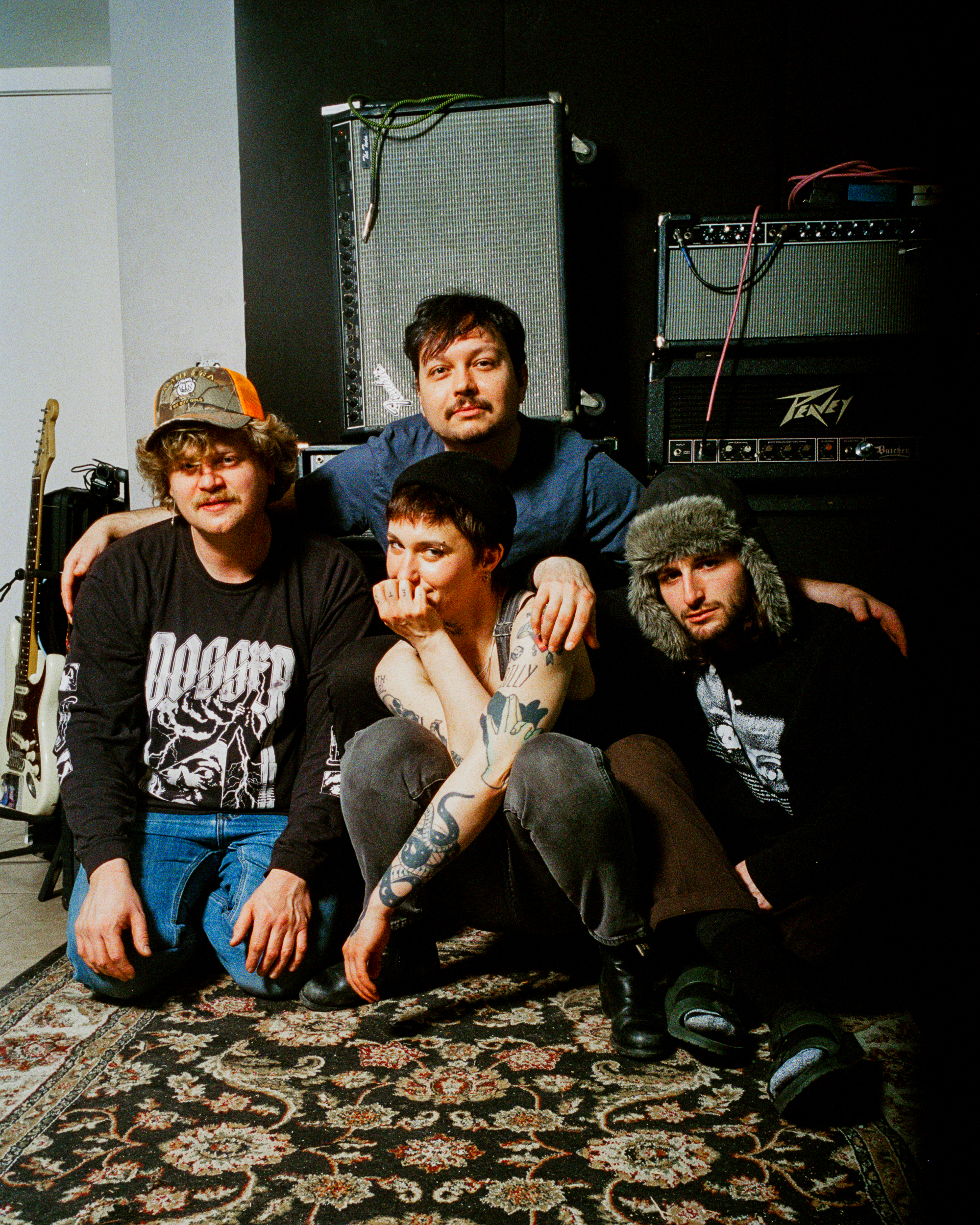
Gabrielle Ravet
By now, MX LONELY have played dozens of shows, both on their own headlining romps across the U.S. and hopping on dates with friends. They recall an early gig in Maine, the first show of their first tour, where they logged miles out of their route at the behest of a fan. “We get there, and it was this bar full of taxidermy. There’s two drunk guys passed out at the bar, and we go downstairs, and it was actually just nobody,” Haas laughs, enough months gone by to turn a horror story funny. “That’s one where, if anyone asked about Maine, we were always like, ‘It was crazy.’ We made a pact.”
“For a while, we were calling it the world’s most expensive band practice,” Harms adds, though the rest of the tour went positively, attracting the type of on-the-ground fans who traveled hours to be there. Another time, they rolled up to a house where the basement they were supposed to play in got flooded, and the owners forgot there was a show. There have been worthy highs, too. Last year comprised roughly 60 gigs, including opening for the Used and TAGABOW (the latter’s Doug Dulgarian being their label boss, having joined Julia’s War this past fall) in sold-out rooms.
2022’s CADONIA — a collection of slow-burning ruminations about getting sober — was written “in a vacuum,” before they’d ever played any shows. 2024’s SPIT comprised a pile of demos that the band wrote during their first year performing in Brooklyn, though they hadn’t toured the material yet. “We tracked SPIT before we even really knew the songs that well as a band,” Harms recalls. “We were like, ‘Yeah, we’re going to learn five songs and record them in three weeks. Let’s do it.’” For their debut full-length, ALL MONSTERS, though, they live-workshopped the songs over the past year, something they’d never tried. It was a pivot, expanding their sound through a fresh and organic trial-and-error. The album, entirely self-recorded in the band’s home studio, treads a dusky, ’90s-indebted strain of heavy alt-rock that documents exactly what they’ve been laying down onstage. Atop big, fuzzy guitars, soaring hooks, and vivid storytelling, MX LONELY lean hard into the intensity and humor that grounds everything they do. They make vulnerability sound massive.
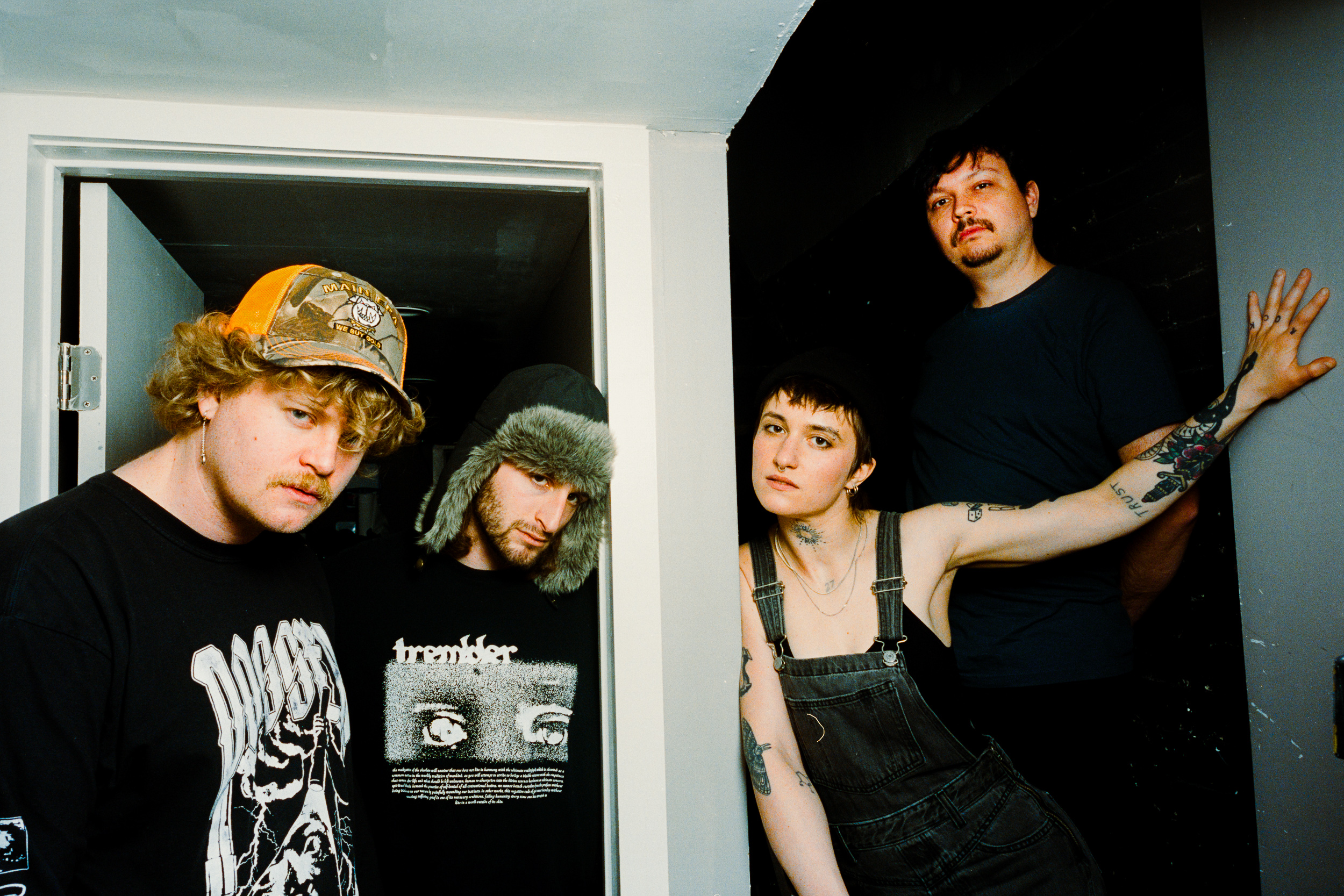
Gabrielle Ravet
“Kill The Candle” turns self-sabotage into sludge. “Big Hips,” their version of a “big dick joke,” wraps gender dysphoria in a blaze of riffs and a satirical spoken-word section. “Return to Sender,” a slice of noisy grunge with a big pop chorus, obsesses over indifference until eventually accepting it — a song they played for a year before tracking it. “I saw Rae crowd-surf to that song several times,” Harms remembers, chuckling. “It just changes your experience with the music. It makes it a little less about you, in a good way, while preserving the personal.”
“It is the balance of that and also, ‘What is the energy I’m able to give to people, and what do I want people to feel?’” Haas says.
That feeling is catharsis. Onstage, MX LONELY use their searing riffs to get crowds moving, filtering feelings that are just as big into something that, Haas describes, “lives in the world in between a drag show and a mosh pit.” Inspired by the singer’s beginnings in dance and theater, Haas jerks around onstage, thrashing and dropping to their knees to wring the most out of every song. When they’re not behind the synth, they’re standing on top of an amp, creating an alleyway, or doing death drops over torrents of grimy noise. “I’ve seen some pretty crazy moves at hardcore shows, but the death drop is…” Harms recounts, turning to them. “I remember the first time you did that. I was like, ‘Where’s Rae? Are they OK?’” But it boils down to a deceptively simple ethos: Whatever the energy of the room demands, they react. The same goes for the rest of the band, who’ve played their best shows when the crowds are giving over a part of themselves. “It’s really heavy, emotional music, but there’s something in encouraging movement and shaking some ass that brings a levity to it,” Haas says. “That is a lot of MX LONELY for me — this collective anger and stagnation and anxiety and depression being released.”
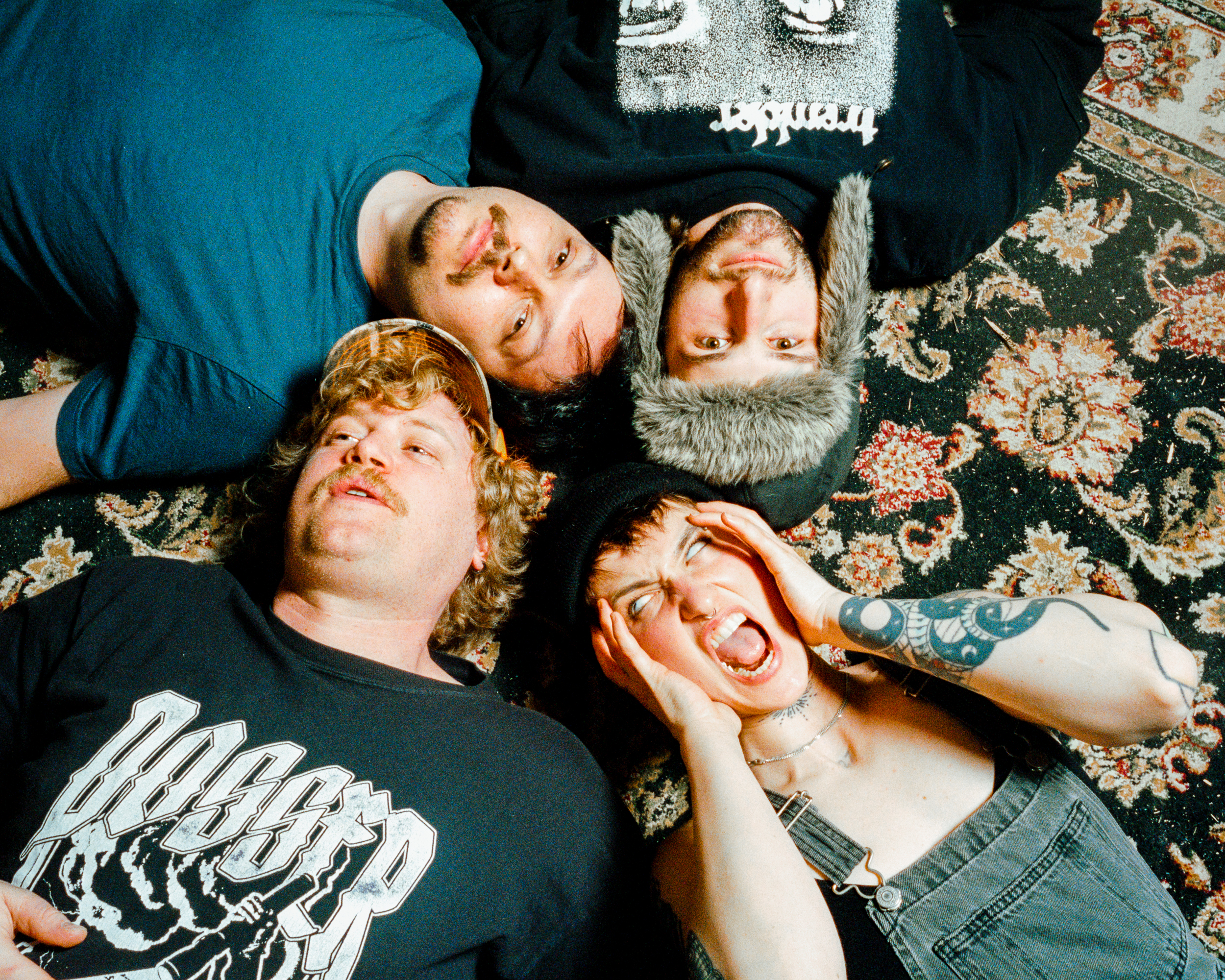
Gabrielle Ravet
There was a time when MX LONELY weren’t so loud. Their first work, 2020’s DOG, features the kind of delicacy that captures two friends just getting to know each other, eventually expanding their working relationship into a romantic partnership (“Jake and I met, started making music, and just didn’t stop hanging out,” Haas smiles). As the band have grown, so has their sound. What remains at the core, though, is a group that put respect on their words from the very start. Walls of fuzz are balanced with an uncompromising clarity.
DIY remains their North Star, with Haas screen-printing the band’s merch from their studio and doing design whenever they can. Most of the members take on freelance gigs building sets for film and TV shows to make their tour schedules work, plotting it out on spreadsheets. Harms reps their Julia’s War labelmates Cashier on his shirt in press photos, as well as Dosser, who they’ve toured with, during the AP shoot. Even their move to Julia’s War wasn’t far off from their first label, Boston’s Candlepin Records — both places that lift up physical media and bands that exist on the fringes.
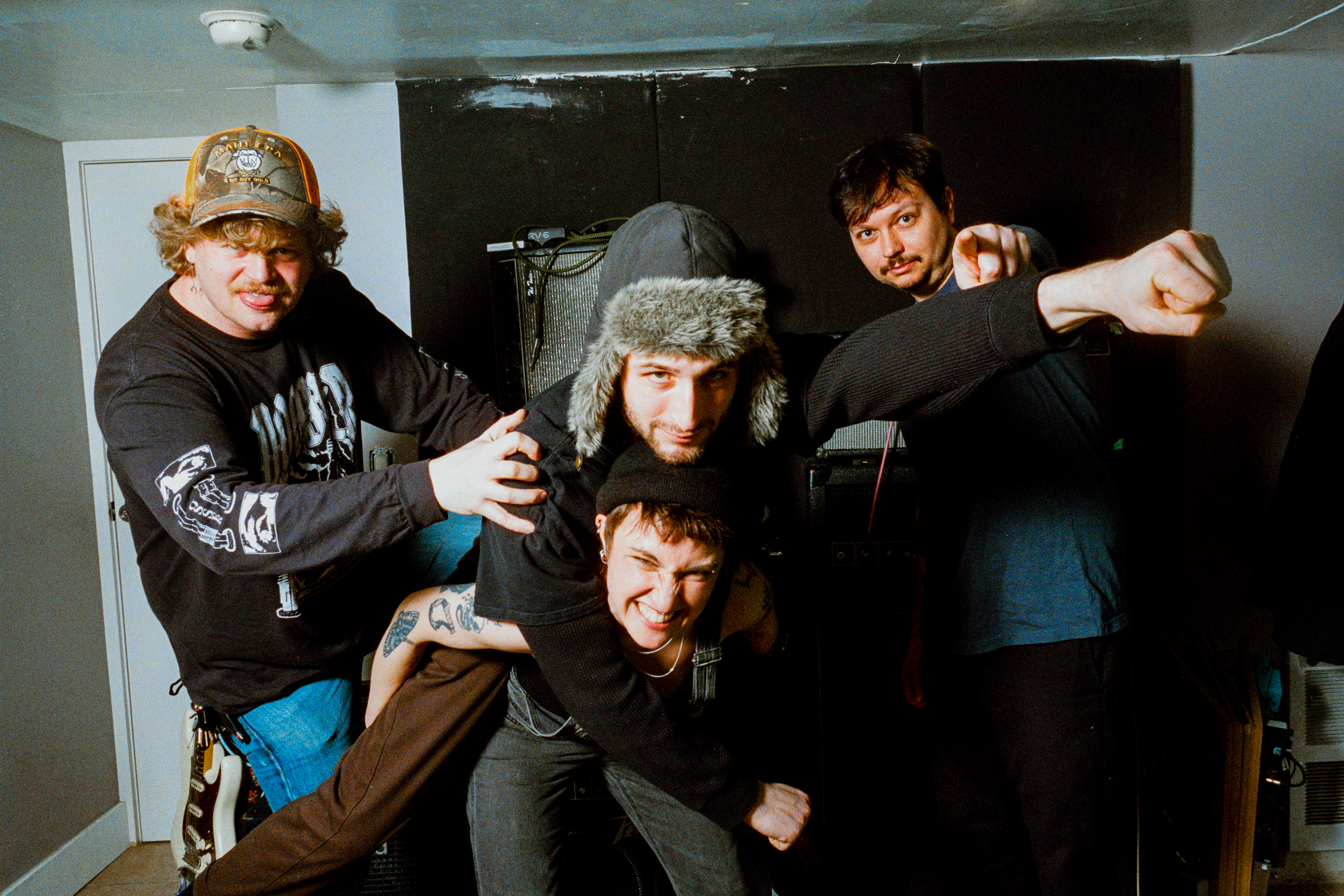
Gabrielle Ravet
“I got a Walkman for Christmas, and I’ve just been buying people’s tapes,” Haas says. “They’re bulky, but going out for the day and having one or two tapes where you’re limited to listening to something, it really does change your experience… I think of people being in bands as being a cult-classic movie. There are people that love albums — thank God there are — and it’s less, but you got to do it for the niche.”
“You align yourself with communities where people do listen to records,” Harms adds. “That’s a huge reason why when we were figuring out where to put this out and Doug approached us, we were like, ‘This community feels right for releasing this music.’ It’s actually going to get the attention it deserves and be listened to and considered. It goes back to playing in Kansas for 40 people and having somebody say they drove two hours to come see the show because they love SPIT. That is worth more than being on a New Music Friday playlist and getting 40,000 plays in a day from people who are just putting it on shuffle.”