

“I listened to the Replacements a lot and was thinking about how much of a role alcohol played in that band,” Ben Funkhouser (aka fish narc) says, taking me back to the bleary days of GothBoiClique — a collective of MCs and producers who infused SoundCloud rap with 2000s mallcore. “When I was drinking a lot, I was trying to justify it, being like, ‘Oh, well, it’s part of the history of music.’ My favorite bands are pathetic drunks who fucked everything up. You listen to their later stuff and hear the specter of the missed opportunity and the difficulty, the amount of destruction in that.”
These days, Funkhouser is living with a lot more discipline. A month before the release of his next album, Uncle, he’s posted up in his apartment in LA’s Atwater Village, recalling the self-work it took to reach this point. He quit drinking, though he didn’t get there until right before the record got cut. He’s grounded himself in hobbies outside of music, like botany and ecology (“My best friend knows every plant. He’ll come to me after I get offstage and be like, ‘Hey, you have to come to the parking lot. There’s a dandelion out here that has a different leaf margin’”). Mostly, dialectical behavior therapy was huge, taking blows to the ego until he arrived at radical acceptance and could “tuck the extremes.” The sessions helped him find, if not clarity, less desperation and anger.
Read more: What does emo really mean? The story of the genre in 11 songs
“I wrote a lot of the songs in states of total despair and hopelessness and frustration with how things in my life had gone,” he says. “They’re about that, but they’re also supposed to feel joyous and accepting of reality rather than hiding from it.”
#image-none-91345acb-9f0c-449f-a3ab-ac45ebb2e087 .pubp-image__figure picture {
}
Josh Beech
Once an expert at hiding in murky, synth-smeared rap tracks made around North Hollywood, Funkhouser’s real origin story lies within the Pacific Northwest, where he was a part of its underground rock scene over a decade ago. There, he attended loads of homespun gigs around Puget Sound, following a decently organized DIY movement that had its own leftist zines, collective meetings, and a registry of nontraditional venues. He would go to shows regardless of genre, from “capital P” punk to folkier bands on K Records (the regional indie that’s released his recent string of rock albums). Out today, Uncle is another return to full-band instrumentation that his younger self would’ve scoffed at, embracing tropes that he grew up thinking weren’t cool and didn’t learn to use.
Raised on a bedrock of post-grunge radio, his first guitar was his mom’s old classical that she’d been given in the late ’60s. Arriving as a present on his 12th birthday, after his family moved to Washington State and he struggled to make friends, it was salvation for a kid who pored over issues of Hit Parade at the library. “I fucked it up so bad playing with a pick because the wood on the top of those scratches easy. I was strumming really hard,” he remembers. By seventh grade, he upgraded to an Ibanez electric guitar that became an obsession. College saw him join Hausu, a scruffy post-punk outfit in Portland that released one album through Sub Pop offshoot Hardly Art Records in 2013 (the frog song track “old band” is about that experience). The scene that they played in was “politics first, very anti-rock star. Skilled musicianship could actually be a bad thing. If you were annoying about it, people wouldn’t fuck with you.”
#image-none-75a37b50-03f7-4ef6-b64b-39e96f908926 .pubp-image__figure picture {
}
Josh Beech
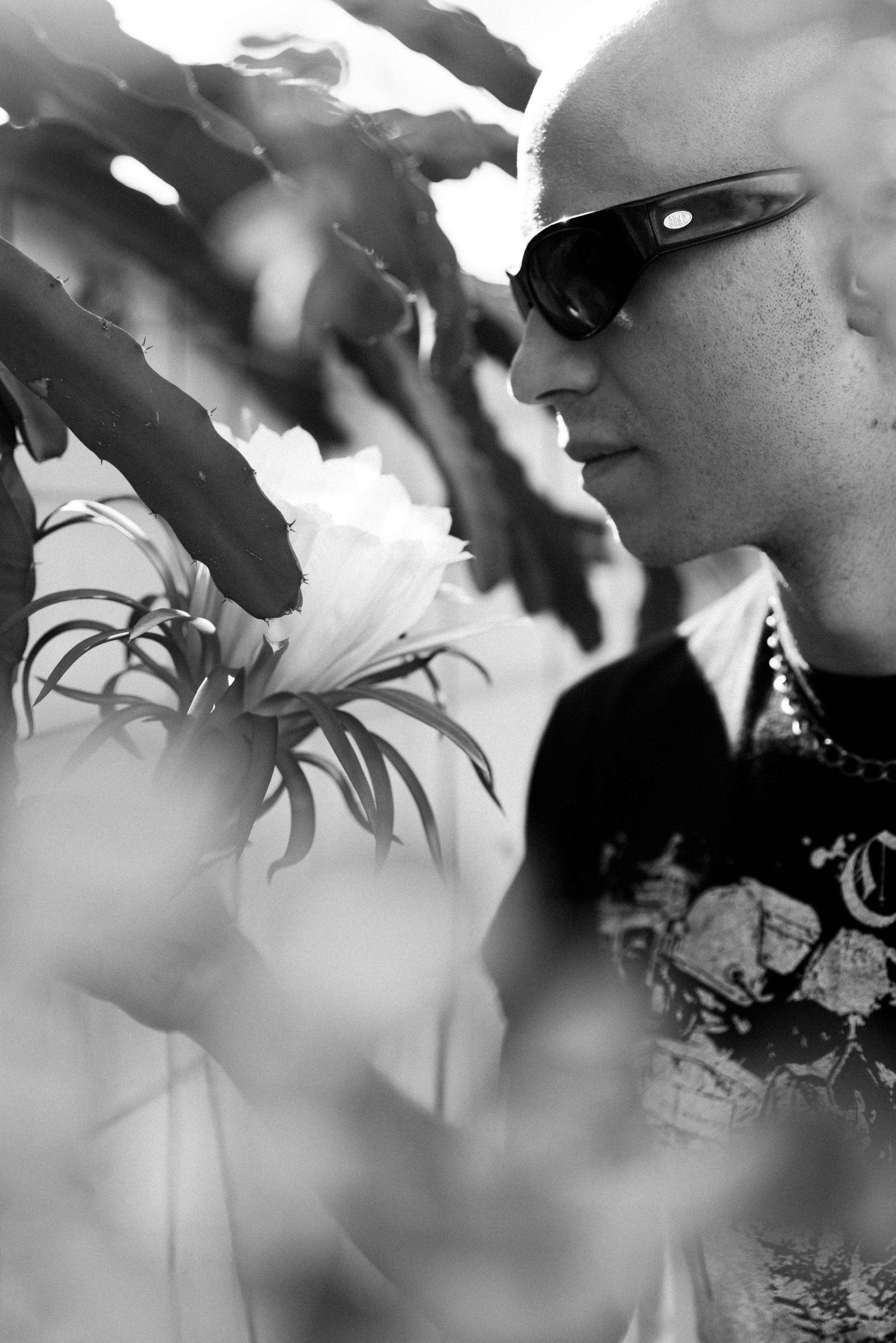
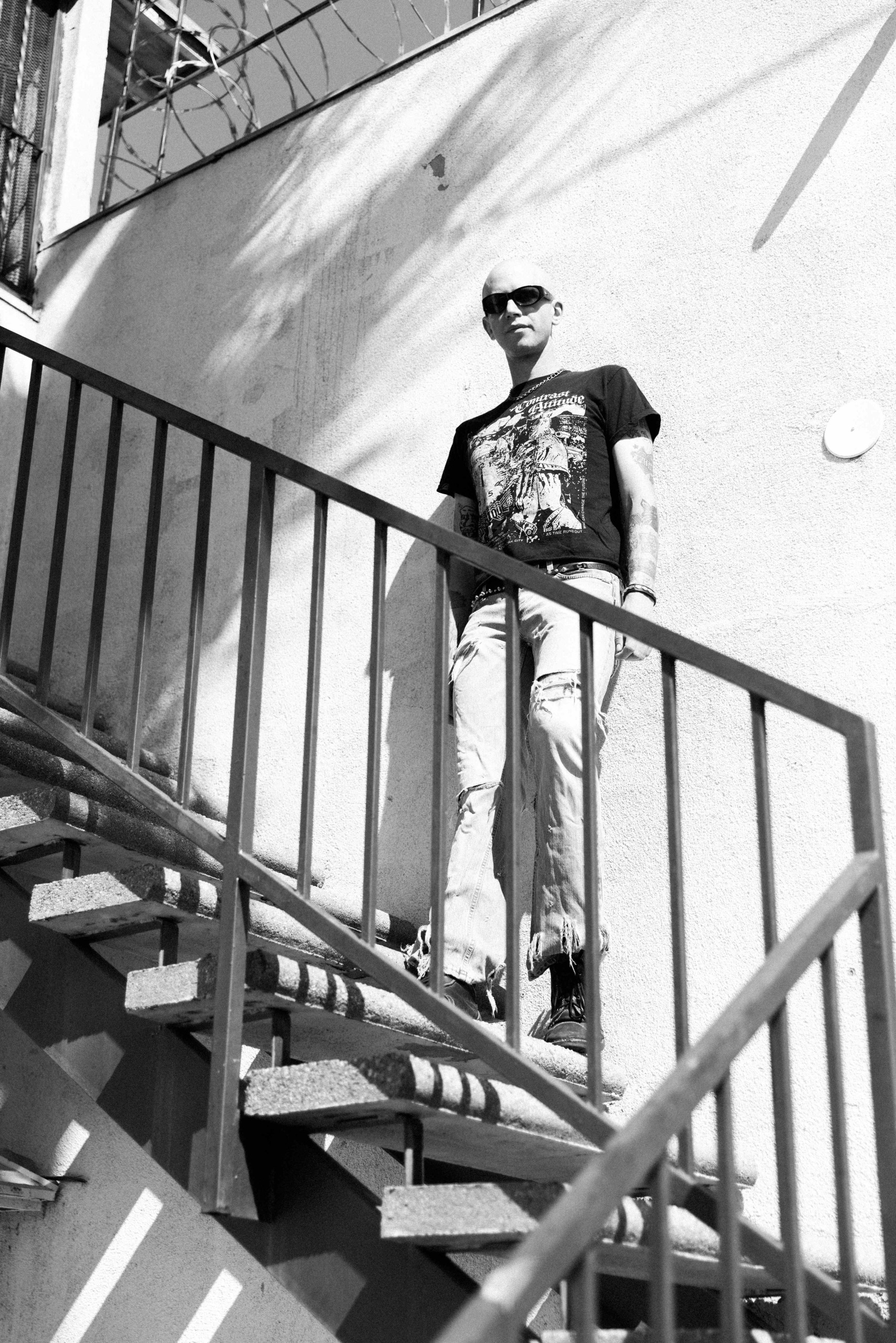
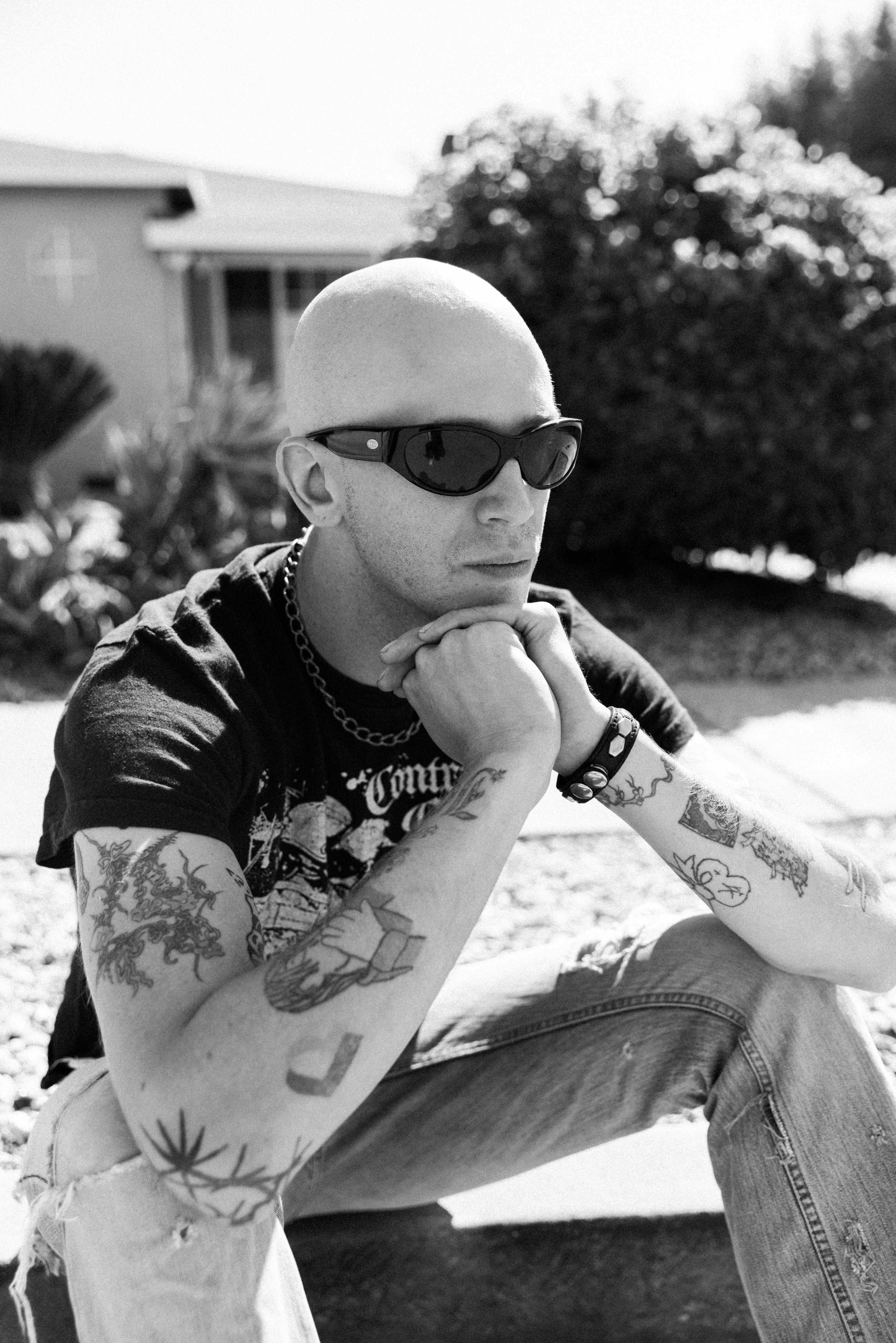
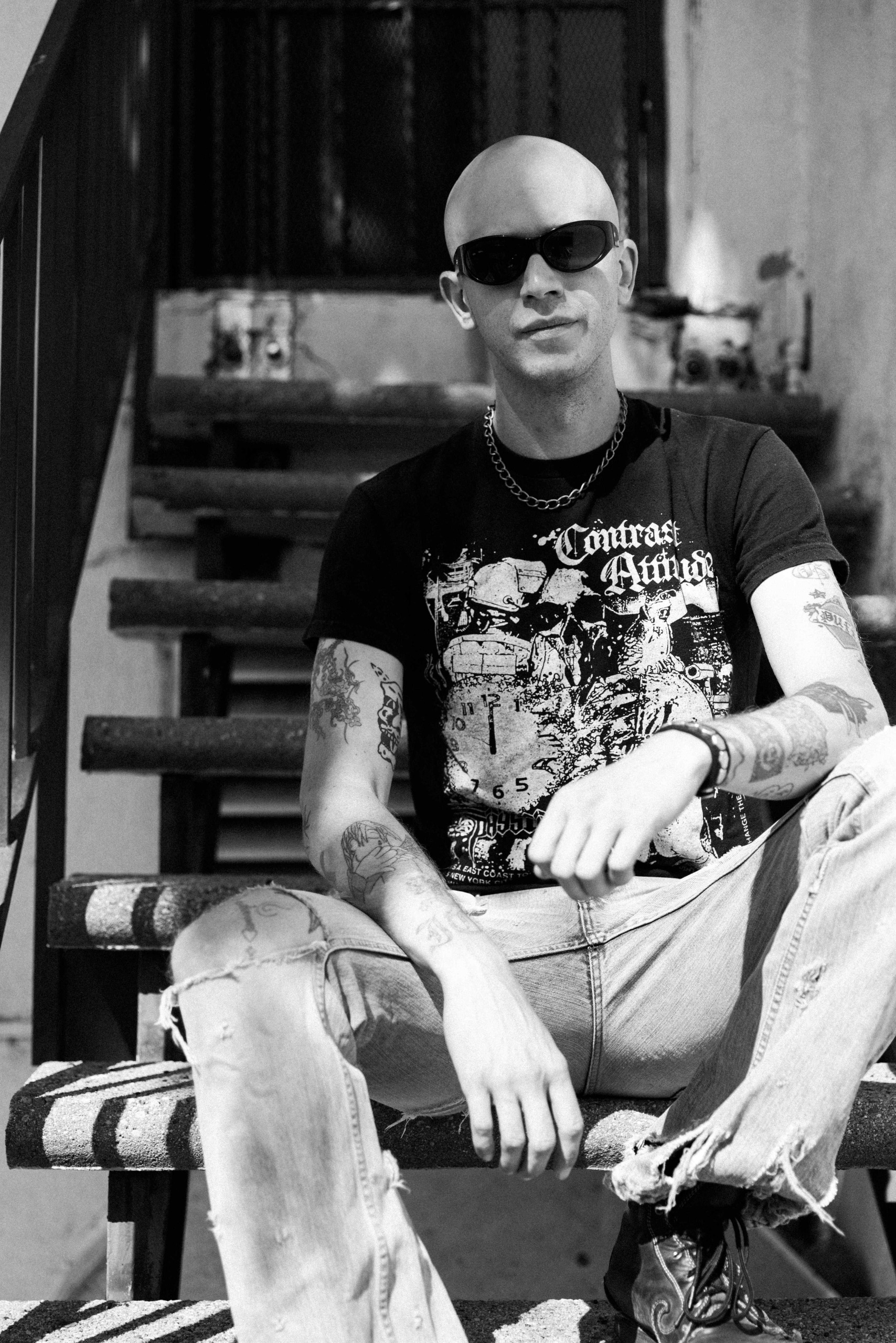
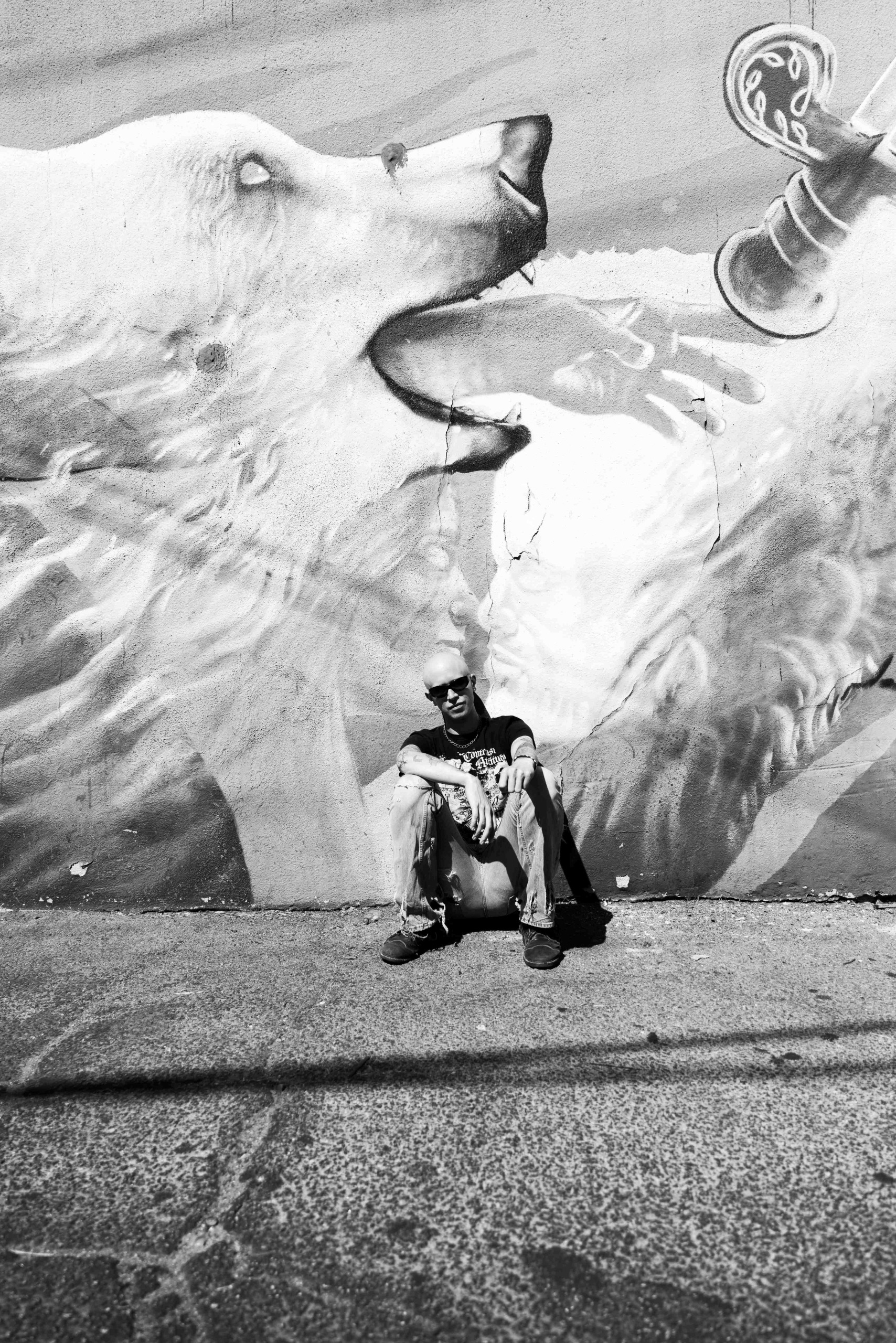
Sometime after turning 30, around when he shaved his head, Funkhouser’s impulses shifted, retracing those scrappier parts of his life with the hindsight that he could change his mind. Recently, that has meant learning proper songwriting — and being drawn to simpler, timeless ideas. The songs on Uncle are grounded, terrestrial, confident — more akin to Great American Songbook standards than indica-laced 808s. Early cuts like “Emma” (named after his partner Emma Hendry, a member of his band and one-half of Plushie Love) and “Much Less Me” lay down a template the rest of the album builds upon, using waves of jangly fuzz to achieve enormous feeling. Some moments are striking in their spareness, as on the closing ballad “Yakima Canyon.”
Of all the tracks that stretch across Uncle, “Student Driver” is the one I kept returning to, looping it dozens of times in different contexts — in airports, on sidewalks, whenever there’s an errand to run. It’s rootsy and wide open, the type of song that bangs on a long drive to nowhere. (Uncle is, undeniably, a car album, meant to be played with an endless stretch of terrain in front of you.) Its subject and name come from bumper stickers. He started seeing them everywhere, until they seemed inescapable.
“One of the main ways you can communicate with other drivers is through your bumper stickers, and it’s how you want other people to interact with you, so everybody’s like, ‘Ah, I’m a baby’ or ‘I’m a student driver. Don’t honk at me.’ I just thought it was funny, and I was trying to write about the general feeling of starting over a million times, but never getting any younger with it. That’s kind of the theme of the album.”
#image-none-7ffcb614-662c-4639-b078-9547b782b977 .pubp-image__figure picture {
}
Throughout Uncle, Funkhouser navigates getting older, but also outgrowing yourself and becoming someone new. During three weeks of rehearsals, doing 50 reps per song, he remade them all. One iteration comprised redoing everything acoustically, and “Student Driver” sounded better stripped down, so they cut it that way. “For resurrection,” he repeats throughout the track, a concept about “making yourself and then killing it and making yourself again.”
Just as he said, Funkhouser has molted, over and over. It’s led to a person who’s deeply considered and verbose. Throughout our call, he remains as heart on sleeve as he is down to earth. He apologizes when he thinks he’s cutting me off and is prone to nerdy theorizing about image saturation or Seattle still being in its “frontier Manifest Destiny mindset.” So when asked if he’s a nostalgic person, he doesn’t hesitate to say no. “This is the happiest I’ve ever been,” Funkhouser says. “I have always been pretty stormy and glum and depressed, and I’m not trying to make that sound cool. It genuinely has sucked. Even the best parts of my life, I was so hungry to make something good that I never enjoyed anything…
“The drug stuff got so fraught because I was on that tour with Peep, and we were all just so wild with it, and then it killed my friend,” he continues. “I was literally unconscious on the ground six feet away, and it took me many years to see that I was still close to dying.”
#image-none-d87088b5-200e-4166-b73b-80b7d531cf5e .pubp-image__figure picture {
}
Josh Beech
Part of releasing Uncle has meant making songs that don’t hurt as much as they used to. The process has been hard-earned — it is the sound of someone comfortable in their skin. He’s singing loud and unabashed, somehow toeing the line between raw and smoothed out. From every side, the energy is infectious and alive as he makes sense of the present and all the ways that he can honor his potential. Growing older isn’t washing out — it just warrants deeper, expansive focus to get good.
“Dude, full circle: Paul Westerberg’s best work after the Replacements was his last record from 2009,” he says. He tells me it’s on YouTube and designed to be heard as a complete 49-minute track, like you’re listening to the radio and changing stations. “It’s like Robert Pollard produced a Westerberg record… The adjustment of expectations is really crucial, but I’ve had this thought for a while. I feel like my best work, whatever it is, will be in my 40s.”
#image-none-1fd6d547-2d7d-4dad-af4a-a8b1ca9da9a3 .pubp-image__figure picture {
}
Josh Beech