
Though it’s a prestige TV classic these days, “Mad Men” took a roundabout journey to finding a network.
Creator Matthew Weiner originally penned the pilot script all the way back in 2000. David Chase was a fan, but Chase couldn’t make the show; he could only give Weiner a job writing for “The Sopranos.” When Weiner tried to sell “Mad Men” to HBO, they refused to go ahead with it unless Chase was involved as an executive producer, and by that point in his career, the brains behind “The Sopranos” wasn’t interested in doing more television. Luckily, “Mad Men” eventually landed at AMC.
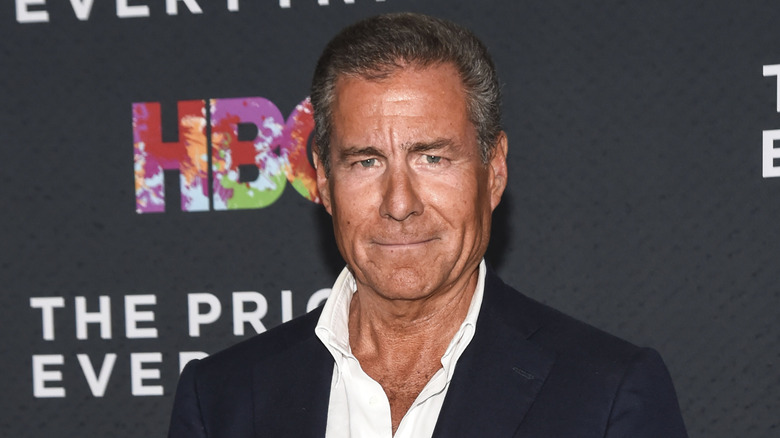
Years later, during a panel at the Paley Center’s International Council Summit in 2014, CEO Richard Plepler was asked what one show makes him go, “Oh man, I wish we had that one.” His answer was unequivocally “Mad Men.” Plepler had no excuses for making this decision, as by the “Mad Men” Season 7 finale, the show had become on par with — or even surpassed — “The Sopranos” as one of the greatest television series of all time.
What would Mad Men look like if it was on HBO?
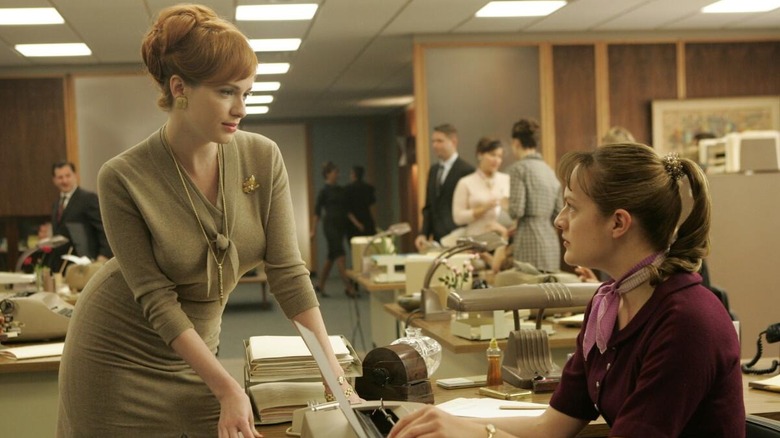
If “Mad Men” was on HBO, characters could drop the “f” bomb on a routine basis, which would make sense for the high-stress situations in the cutthroat world of Madison Avenue advertising. There most certainly would be more female nudity and sexual content, putting Don Draper’s (Jon Hamm) philandering lifestyle on display in all its tawdry glory.
While this may have been more realistic, there’s something charming about the restraint of cable television. By obscuring many of the erotic details, “Mad Men” evokes the films of that era, where sexuality and tension were largely implied. Many of Don Draper’s ads rely on this innuendo, such as the bathing suit campaign he pitches in Season 4’s “Public Relations.” “So well built, we can’t show you the second floor,” the slogan reads, paired with an image of a model whose breasts are concealed by a black bar.
Everything worked out, but HBO execs let a great one slip through their fingers. “Mad Men” could’ve been yet another one of HBO’s best original series. It’s commendable that AMC was so committed to finding visionary projects, because “Mad Men,” alongside “Breaking Bad” and “The Walking Dead,” helped put the network on the map as a powerhouse of prestige television.







:max_bytes(150000):strip_icc():focal(742x275:744x277)/taylor-swift-travis-kelce-timeline-092523-tout-669c64f9a1c0492ab5c8853b508a9996.jpg "Taylor Swift Wears Matching Travis Kelce Chiefs Jacket for NYE Game")