Mamoru Hosoda loves a good time-travel story. The Japanese filmmaker behind The Girl Who Leapt Through Time, Mirai, and Belle weaves fantastical epics where his characters travel through time and between parallel worlds. His latest movie, Scarlet, is no exception.
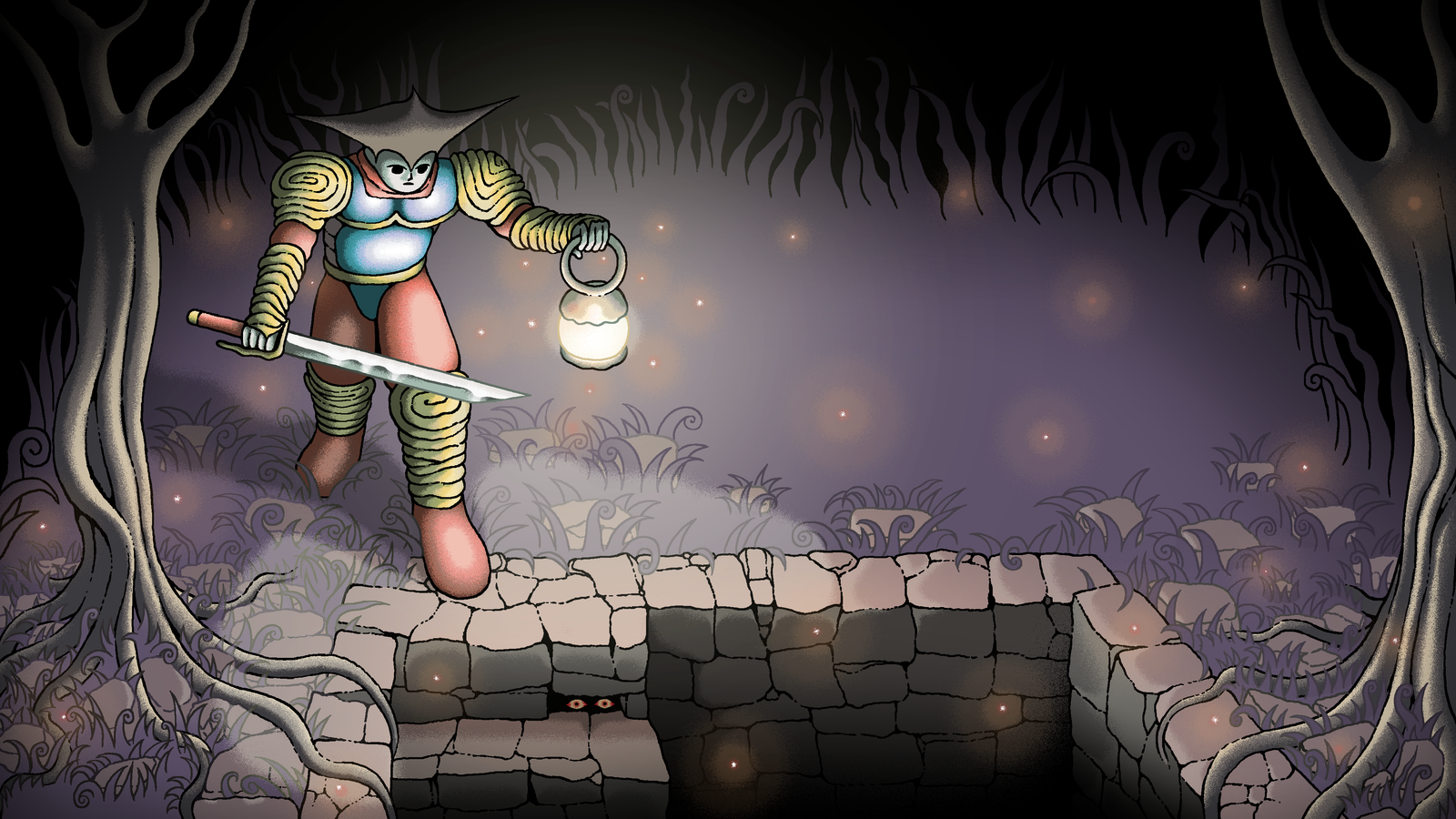
In U.S. theaters early next year, this reinterpretation of William Shakespeare’s Hamlet follows Princess Scarlet, a fallen warrior cast into a purgatorial “Otherworld” after failing to avenge her father’s murder by her uncle, Claudius. Guided by Hijiri, a paramedic from modern-day Japan whose compassion challenges her bloodlust, Scarlet journeys across dreamlike battlefields, confronting undead legions, generational hatred, and the temptation of the “Void” as she searches for forgiveness and a way home. Needless to say, Hosoda does enough to make the Shakespearean premise his own, but what truly makes Scarlet unique is how the director combines his usual template with this classic revenge tale to advocate for world peace.
In a Q&A included in the Scarlet press kit, Hosoda says he views “the geopolitical state of the world after COVID” and “the idea that people can’t forgive these days” as something that “brings a lot of worry.” Scarlet, as a character, represents that refusal to forgive, although in her case, those feelings seem pretty valid. When Scarlet finally faces Claudius, she must choose between clinging to hatred or discovering a life beyond vengeance.
Many people still haven’t recovered from the upheaval of COVID-19, and its aftermath has left the world deeply divided. It’s no surprise that Gen Z, who came of age during lockdowns, has become increasingly cynical. Hosoda says Scarlet is “a positive message to the younger generation,” explaining that the way Hamlet depicts the cyclical nature of revenge is “still relevant today.”
However, the key difference between Scarlet and the play that inspired it lies in what each protagonist’s father tells them. In Hamlet, the ghost of King Hamlet encourages his son to get revenge, whereas the final words of the king in Scarlet are a plea for his daughter to forgive. While Shakespeare’s play tracks its protagonist’s descent into madness, Hosoda wanted to offer a more optimistic character arc.

“It’s a confusing directive because after everything done to her family,” Hosoda says. “She wonders how it can be so easy to forgive. The question presented to Scarlet is how to deal with the energy, how to forgive. There are many parallels to our current geo-political landscape, and I wanted that reflected in the screenplay. We don’t really have an answer of how to fix that yet, but there’s this collective desire of mankind to figure it out because of the cost of war.”
Hosoda draws clear parallels between Scarlet and today’s youth — their raw idealism, their unforgiving anger, their struggle to find empathy in a fractured world. Much of our media leans into that dread, but Scarlet cuts through it with fairytale beauty and a rare glimmer of hope. It edges toward camp, but its message hits home: a revitalized classic with something timely and honest to say.