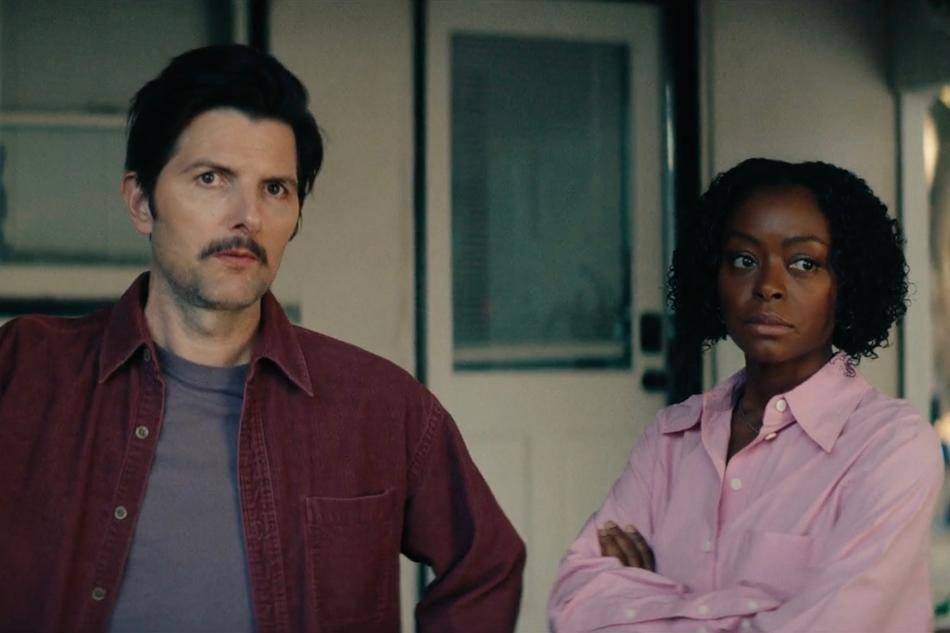
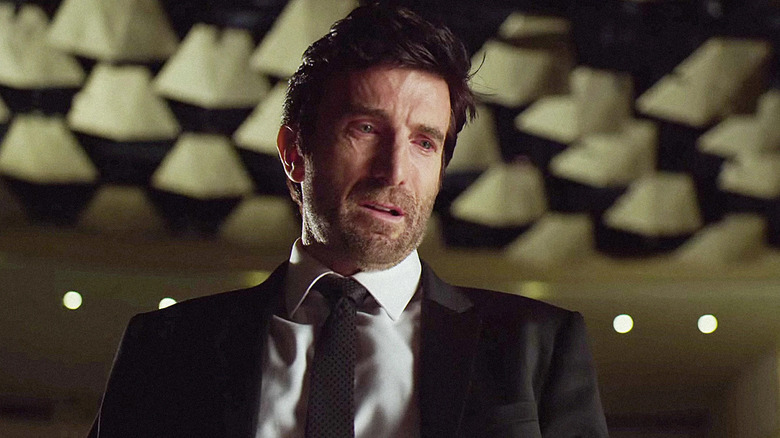
Since the arrival of Disney+ in 2019, Marvel fans have been treated to a whole host of Marvel TV series. Spanning animation and live action, these series have often tied into the Marvel Cinematic Universe — either directly or as alternative takes on existing MCU stories from other corners of the Multiverse — all falling under the Marvel Studios umbrella. Before the current era of Marvel TV and the launch of Disney’s streaming service, however, the comic book giant took a Wild West approach to the small screen. Marvel TV series were produced with little synergy by a wide range of production companies and television networks.
Standout Marvel series from the pre-Disney+ era include Netflix’s “Daredevil,” which has recently been revived on Disney’s streaming platform as the wildly successful “Daredevil: Born Again,” and the ABC series “Agents of S.H.I.E.L.D.” One of the less-remembered Marvel series aired on PlayStation Network, where it was available free to PlayStation Plus subscribers as the platform’s first original scripted series. “Powers” aired on PlayStation Network for two seasons between 2015 and 2016.
“Powers” was based on the comic of the same name, a creator-owned title from writer Brian Michael Bendis and artist Michael Avon Oeming. As a creator-owned comic, “Powers” was not tied to a single publisher and, while it was a Marvel title when the series aired, it moved between Image, Marvel’s Icon imprint, DC, and Dark Horse Comics.
Like its hero, Powers failed to fly
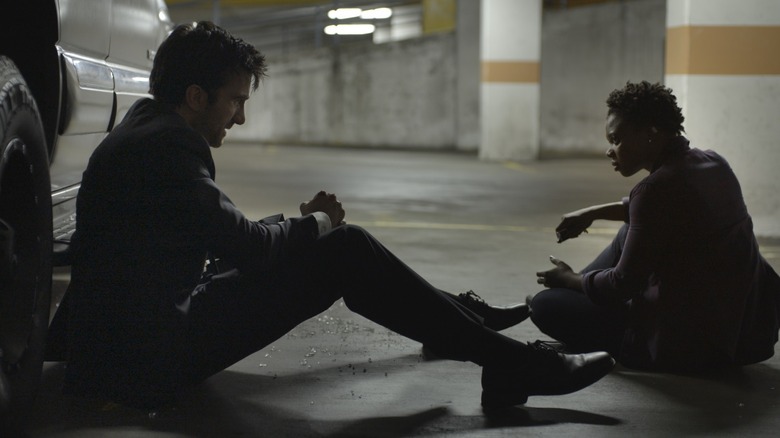
“Powers” followed Christian Walker (Sharlto Copley), a former superhero who had lost his powers and instead pursued a new line of work as a homicide detective. In the world of the series, certain people, referred to as Powers, developed superpowers upon reaching adulthood. Walker worked in the LAPD’s Powers Division alongside his partner, Deena Pilgrim (Susan Heyward). Their division was charged with investigating crimes involving Powers, some of whom were active as superheroes enjoying a celebrity lifestyle, while others were violent criminals.
Arriving in 2015, when superhero cinema was thriving, series like “Daredevil” were dominating streaming while “Agent Carter” and the Arrowverse were still going strong on network television, “Powers” appeared positioned for success. The fact that the series was PlayStation Network’s first scripted drama meant the pressure was on for “Powers” to deliver, and there were some positive early signs. The comic on which the series was based had proved popular, and the television adaptation was developed by Bendis himself. However, reviews for the series were mixed at best and often critical.
While the comic teased readers with the mystery of Walker’s background, the series revealed it within the first five minutes. Exposition-heavy dialogue and a lack of visually striking superhero action meant “Powers” was quickly canceled and largely forgotten. PlayStation has since abandoned its venture into original streaming content.
Powers faced stiff superhero competition
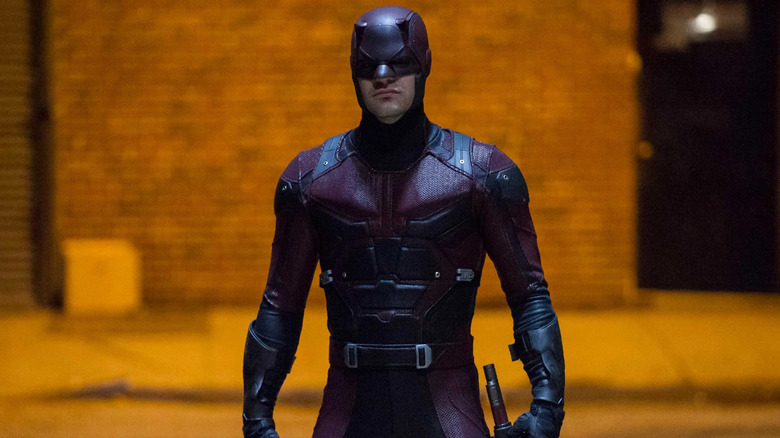
“Powers” might have attracted more interest in the era before “The Avengers” dominated theaters or “Game of Thrones” transformed television. When audiences were not so used to frequent blockbuster-level superhero action or prestige TV that was equally cinematic in scope, a smaller superhero cop drama like “Powers” might have found an audience purely on the novelty of its premise. However, at a time when audiences were becoming more exacting in their standards — of both superhero media and television drama more generally — the underwhelming visuals and writing on “Powers” saw the series come to a swift end without any cultural impact.
Since the series’ cancellation, elements of “Powers'” premise have flourished in other series. Notably, Prime Video’s “The Boys” also delivers a darker and more irreverent take on the superhero genre, with the twisted exploits of superpowered antagonists explored from the perspective of those without powers. Superhero crime noir was also realized to perfection for television in Netflix’s Marvel series, “Jessica Jones.” While “Powers” fell short, it remains a fascinating relic from a period when superhero media surged, and even PlayStation tried to enter the streaming space.