


Dystopian fiction has been around for literal centuries at this point, but a new audience emerged when the young adult trilogy The Hunger Games was first published in the late 2000s. Following a successful film franchise starring Jennifer Lawrence, the franchise continued with prequel films, including the upcoming Sunrise of the Reaping, and even inspired other dystopian movies based on young adult novels.
Though many readers may have been introduced to the dystopian genre through The Hunger Games, there are plenty of classics both old and new that depict grim worlds overrun with corruption, oppression, and political tyranny. While some of these 11 books you may have been forced to read in school, hopefully a revisit after renewed interest in dystopian fiction, thanks to Suzanne Collins, will lead to a greater appreciation for the literary sub-genre.
Brave New World
Published In 1932 By Aldous Huxley


Among the best dystopian novels of the 20th century is Brave New World, set in the year 2540 in London. In what’s known as the “World State,” citizens are biologically engineered as embryos according to a caste system, separating them from birth into prospective leaders and working-class people. The book’s protagonist, Bernard, is a psychologist considered physically inferior for his caste who stands up against societal norms.
Despite being published almost a century ago, Brave New World is a still-relevant take-down of capitalistic principles, inspired heavily by Henry Ford’s factory innovations. Whether you read Brave New World or watch the 1998 movie, or even check out the 2020 Peacock miniseries starring Alden Ehrenreich, you’ll understand why it’s still highly regarded as a seminal work of dystopian fiction.
Nineteen Eighty-Four
Published In 1949 By George Orwell
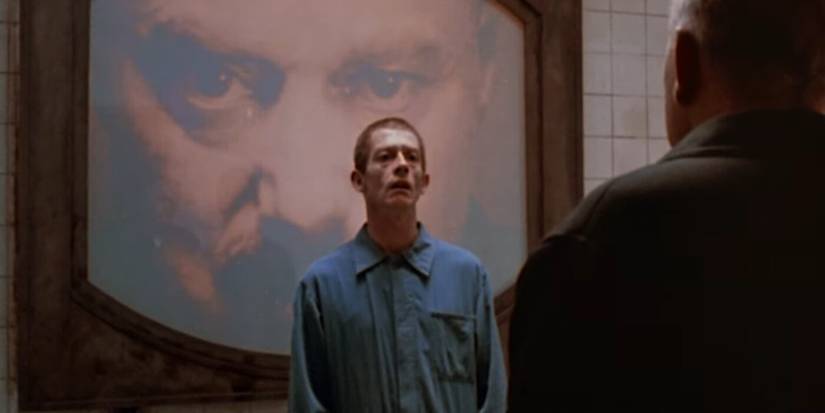
If you didn’t read Brave New World in school, chances are you did read George Orwell’s Nineteen Eighty-Four, published a decade later and having an even bigger impact not just on dystopian fiction, but pop culture. In this world, citizens are lorded over by Big Brother, a totalitarian leader who conducts mass surveillance, historical revisionism, and suppression of rebellion with the help of his Thought Police.
Many phrases we associate with dystopic futures, such as “Newsspeak,” “thought crime,” and even the descriptor “Orwellian,” are inspired by this novel. While the book promotes a mindset of rebelling against authoritarian governments, it doesn’t have a happy ending. Nevertheless, many future books and TV shows with dystopian themes inspired by George Orwell’s Nineteen Eighty-Four will similarly teach you to question authority.
Fahrenheit 451
Published In 1953 By Ray Bradbury

Fahrenheit 451 was released during a politically tumultuous time, being published less than a decade after the end of World War II and in the midst of an era of McCarthyism and foreign distrust. However, as Ray Bradbury’s book reveals, a lot of the national paranoia felt in these times is self-inflicted. The protagonist, Guy Montag, is a “fireman” whose job is to burn books that have become outlawed by the dystopian state.
However, in a narrative not dissimilar to Nineteen Eighty-Four, Montag becomes disillusioned with this prerogative after his neighbor, the outgoing Clarisse, is mysteriously killed. For such a politically prescient novel, Fahrenheit 451 still feels fresh whether you read it or watch its adaptation as Michael B. Jordan’s sci-fi sleeper hit on HBO.
Atlas Shrugged
Published In 1957 By Ayn Rand

Ayn Rand is among the most influential authors of all time, with novels like Atlas Shrugged promoting an anarchist mindset that was uncommon for the late 50s. Atlas Shrugged, possibly her most famous work, takes place in a futuristic United States plagued by financial ruin, and follows a railroad worker, Dagny, who uncovers a vast conspiracy involving a man named “John Galt,” who leads a revolution of strikers fighting against an incompetent government.
Part of what makes Atlas Shrugged among the best classic literature is that, despite being released almost 70 years ago, it’s eerily reminiscent of the current political landscape. As a result, Rand’s philosophies have become largely influential on many authors to come after her, especially in the dystopian fiction space.
The Man in the High Castle
Published In 1962 By Philip K. Dick
If you’re familiar with Amazon’s 10/10 sci-fi masterpiece The Man in the High Castle, which ran for four seasons, you may be surprised to learn the series is adapted from a novel by Philip K. Dick, a prominent science fiction author of the mid-20th century. The Man in the High Castle depicts not a dystopic future but a dystopic present, set in the modern day (1962, at the time it was published) after Germany and Japan won World War II, resulting in a fractured United States and a world ruled by the Axis Powers.
However, in a very meta narrative, The Man in the High Castle mainly follows Juliana and Joe, two lovers uncovering a vast conspiracy after meeting Hawthorne Abendsen, the author of a speculative fiction novel depicting the Allies winning the war, who utilized Chinese divinism to write it based on our own alternate timeline. It’s an incredibly fascinating dystopian novel about dystopian novels, in a way, so it’s definitely worth a read.
The Long Walk
Published In 1979 By Stephen King (As Richard Bachman)

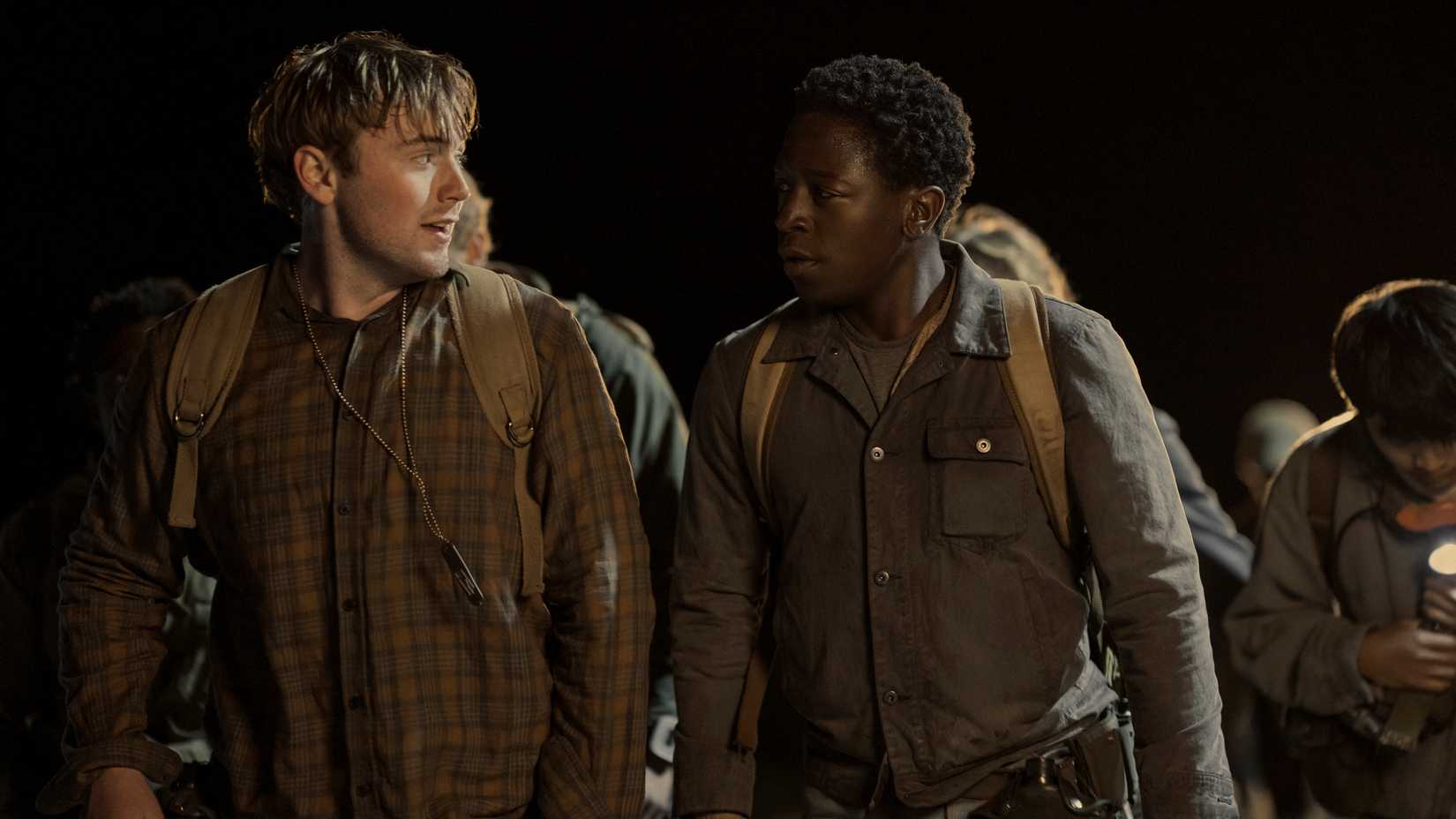
Stephen King has obviously written some of the most famous books of all time, but under the pseudonym Richard Bachman, he also published several other famous novels, including Rage and The Running Man. Among his most famous works as Bachman is The Long Walk, set in a United States ruled by a totalitarian police state holding an annual contest in which citizens must walk non-stop along a highway at a consistent speed, and are killed for dropping below until there’s one walker remaining.
Though many audiences may have first been exposed to The Long Walk’s R-rated dystopian thriller adaptation released in 2025, the book is somehow even bleaker than the movie, if you can believe that. Still, it’s an interesting take on the dystopian genre that, like all great Stephen King novels, is as horrific as it is political.
The Handmaid’s Tale
Published In 1985 By Margaret Atwood

If you watched Hulu’s The Handmaid’s Tale series, you still might be surprised at how different the book is from its adaptation. Margaret Atwood’s acclaimed novel takes place in the near-future, when a theocratic regime known as the Republic of Gilead has overthrown the government, resulting in a society where women are forced to serve men as child bearers.


If You Like The Handmaid’s Tale, These 6 Dark And Relevant Shows Are Perfect For You
If you are looking for a dark, relevant series in the vein of The Handmaid’s Tale now that that series is over, these shows are great options.
Both the book and TV series are mainly from the POV of its protagonist, Offred, but also told in part through a male keynote speaker in 2195, having uncovered a series of cassette tapes and written them off as pure fiction. However, what makes Atwood’s dystopic future so transfixing is the fact that so many of the seemingly fictional totalitarian restrictions have precedence in actual world history.
I Who Have Never Known Men
Published In 1995 By Jacqueline Harpman
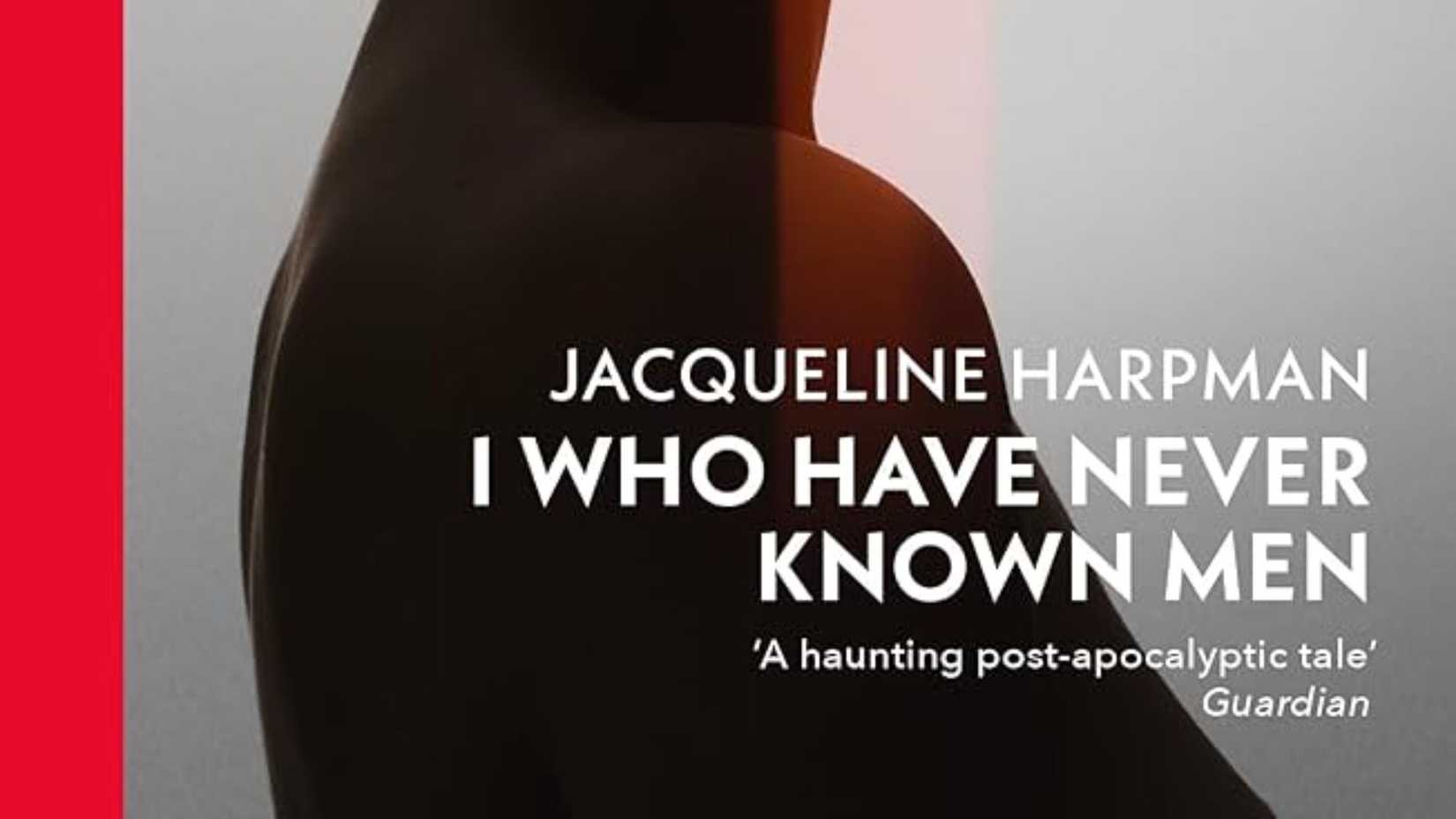
I Who Have Never Known Men was originally published in 1995 as Moi qui n’ai pas connu les hommes, but didn’t see a translation in English until two years later. The plot follows 40 women, including one girl, who live in an underground prison guarded by men, with no memory or knowledge of the outside world. After all the men leave, allowing the women to escape, they find themselves in a completely empty open environment and must build a new society.
Though there’s yet to be a cinematic adaptation of this classic piece of literature, Jacqueline Harpman’s novel is as gripping as it is ultimately mysterious. There’s not a lot revealed about its dystopic undertones, but it instead focuses on the will of women to keep on living after a confusing, traumatic imprisonment. Suffice to say, it’s a great recommendation for fans of The Hunger Games.
Infinite Jest
Published In 1996 By David Foster Wallace
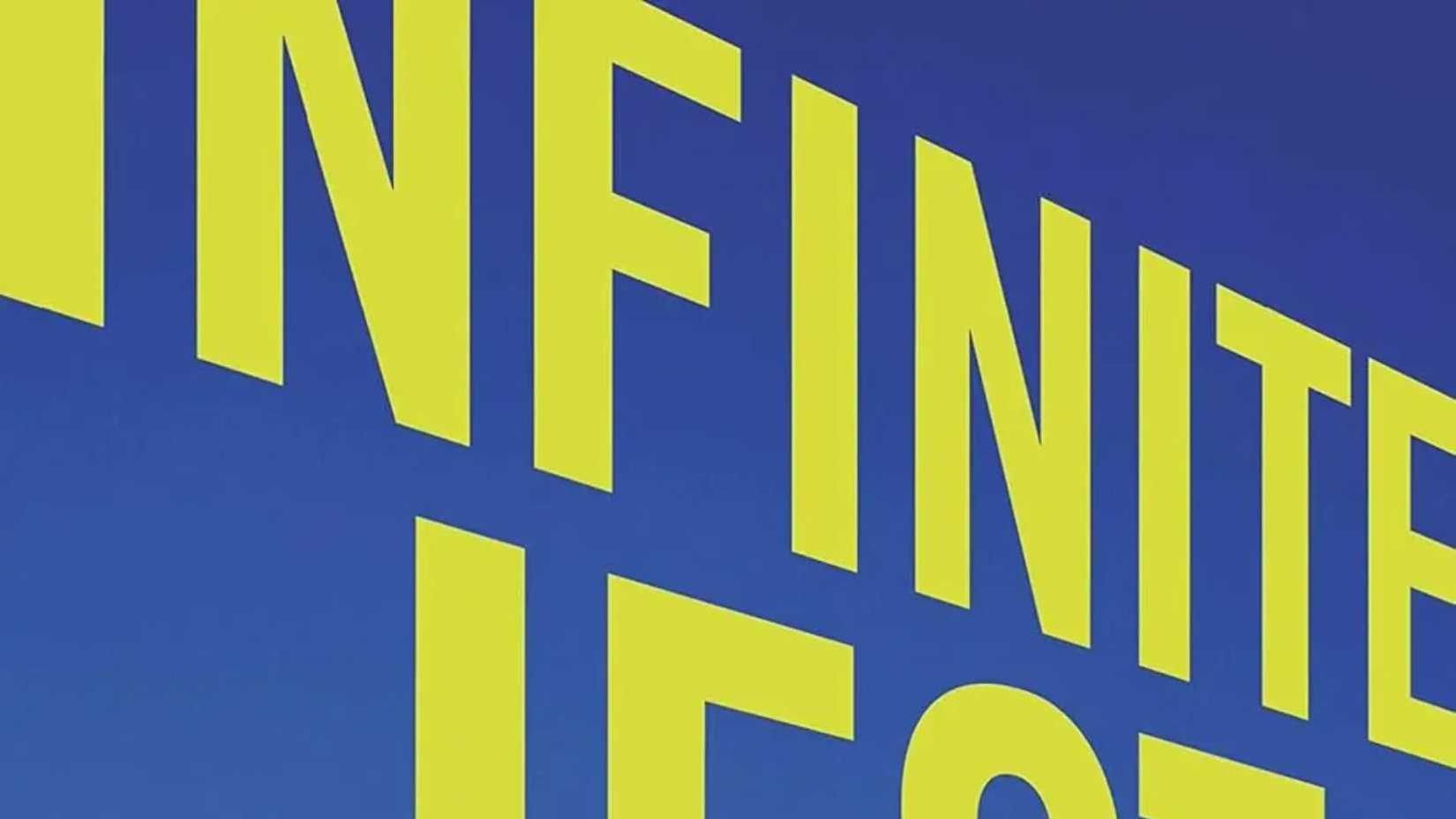
If you read and liked The Hunger Games, then recommending Infinite Jest might seem like a complete 180. David Foster Wallace’s novel, at over 1,000 pages long, is considered one of the seminal works of post-postmodernism, set in a dystopic future where the North American countries have united into one super-state, and allow corporations to buy the rights to entire calendar years.
However, despite the utopia the Organization of North American Nations (O.N.A.N.) would have you believe it is, much of America and Canada has become overrun with hazardous waste, and the story follows several intertwining narratives, including Bostonian rehab patients, tennis students, violent rebels, and a dysfunctional family. Since this great book never got a movie adaptation, reading it is an accomplishment in and of itself.
Station Eleven
Published In 2014 By Emily St. John Mandel
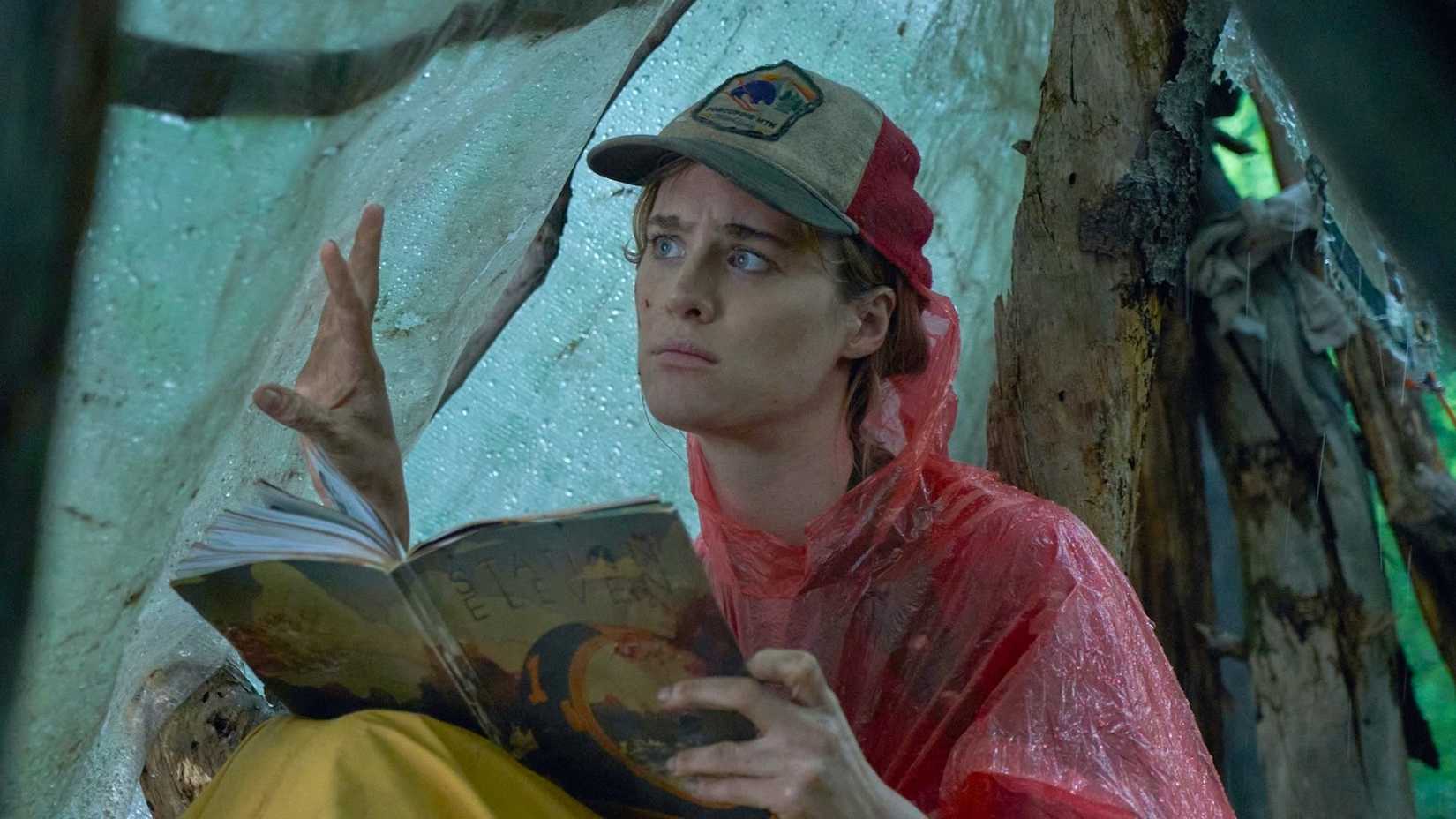
It might be surprising that Station Eleven was published all the way back in 2014, given that its narrative feels so prescient of a world post-COVID. Following the outbreak of a worldwide pandemic killing off most of the population, former child actor Kirsten remains part of the Traveling Symphony, a group of performers touring North America, encountering the remnants of civilization, including a villainous cult leader known only as “The Prophet.”

7 Best Dystopian Shows Like Station Eleven
Station Eleven is a one-of-a-kind apocalypse show, but there are some other great series that will likely scratch the same itch for its fans.
Though it feels a lot more like a post-apocalyptic drama than dystopian science fiction, Station Eleven defies typical norms of either genre to tell a beautiful story about the perseverance of artists in difficult times. It may not be as politically relevant as other dystopian novels you might read after The Hunger Games, but Kirsten definitely feels like the kind of protagonist that fans of Katniss will be drawn to.


