
Alternative Press teamed up with DIIV for an exclusive ZIRP! zine, printed in limited quantities. Head to the AP Shop to grab yours.
Somewhere in the early ’90s, the meaning of “alternative” got lost. By 1991, punk broke, inciting a major-label frenzy that only invested in alternative bands because they could crack the charts. Five years later, those charts were largely steered by Clear Channel, when the Telecommunications Act of 1996 allowed conglomerates to buy hundreds of local radio stations. They demolished independent, homespun programming by looping the same 20 songs, relegating regional scenes to something your unemployed friend was into. By then, alternative turned from a rejection of the mainstream into the mainstream itself — an aesthetic packaged and sold back to the masses, stripped of its grain for gloss that chipped at the edges. Except when everything becomes alternative, nothing is.
Read more: 100 gecs hack the planet
It’s 2026 now, but alternative is only just starting to get the space to stretch its legs again. So when DIIV revealed their next album, ZIRP!, through a hotline — presented as “the future of alternative multimedia entertainment” — it felt like an intriguing step forward for a band that operate in density, both in their pedal-warped songs and themes of addiction and ennui. With it came another label to consider: “The New Alternative,” a term that attempts to describe the genre-breaking renaissance of the 2020s as the world burned at our feet. Quite literally, with the 2025 wildfires that raged in Los Angeles taking frontman Zachary Cole Smith’s home.
#image-none-8eae7670-12c3-4dd0-9e35-e1057ebdd85a .pubp-image__figure picture {
}
Louie Kovatch
These days, alternative has morphed into a disposition, an attitude, a lifestyle, rather than a specific sound, though you know it when you hear it. Turnstile are free to link up with Slayyyter and Blood Orange. Deftones can sit next to Charli XCX, Fiona Apple adjacent to Jane Remover. It’s 100 gecs frying System of a Down’s “Toxicity” with beat drops on Boiler Room, PinkPantheress being inspired by Paramore but her chopped, jungle-inspired loops sounding nothing like them. Sometimes the contrasts are harsh, and sometimes they’re thoroughly blended, but it’s both of these forms helping to shape a diverse, meaningful landscape.
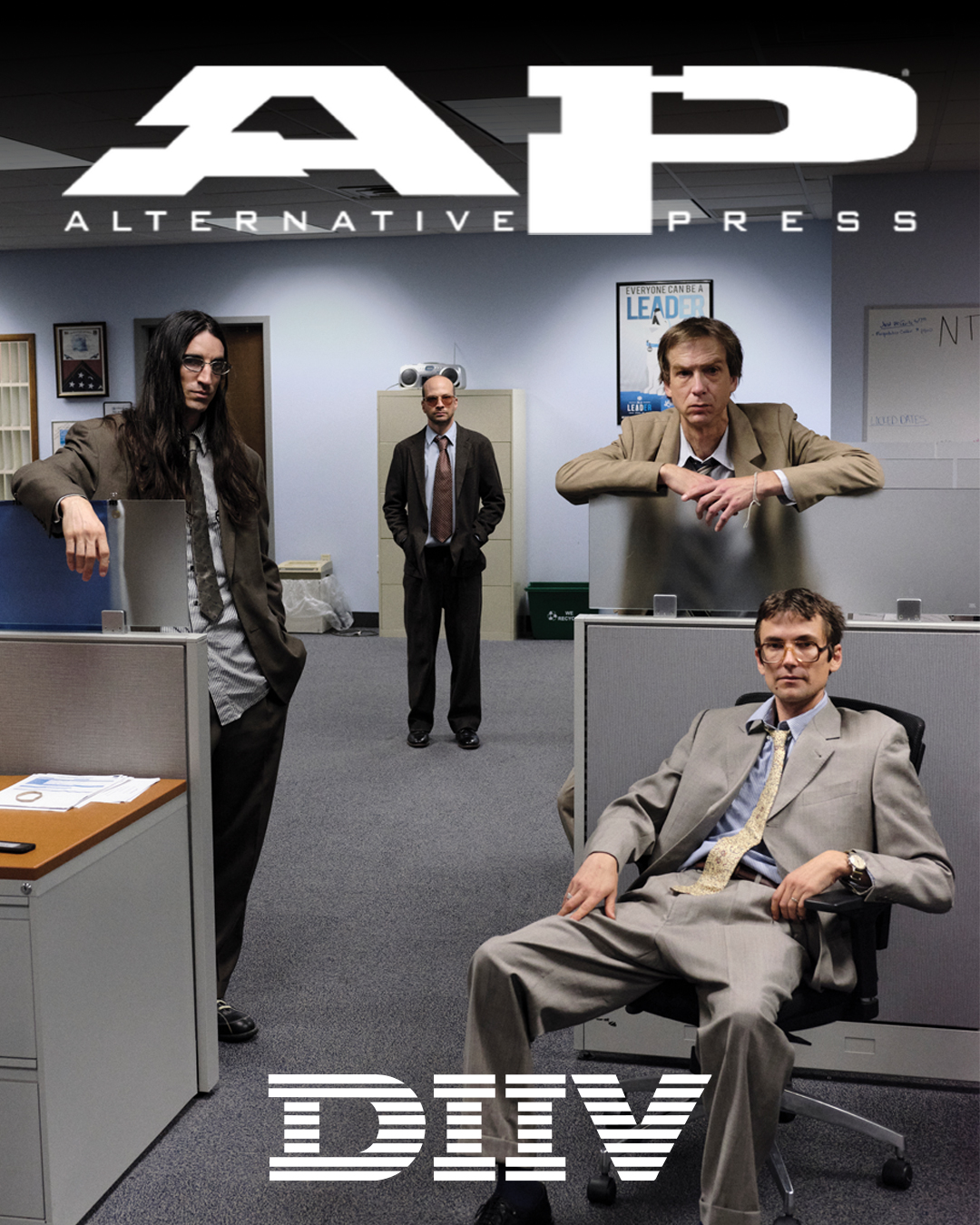
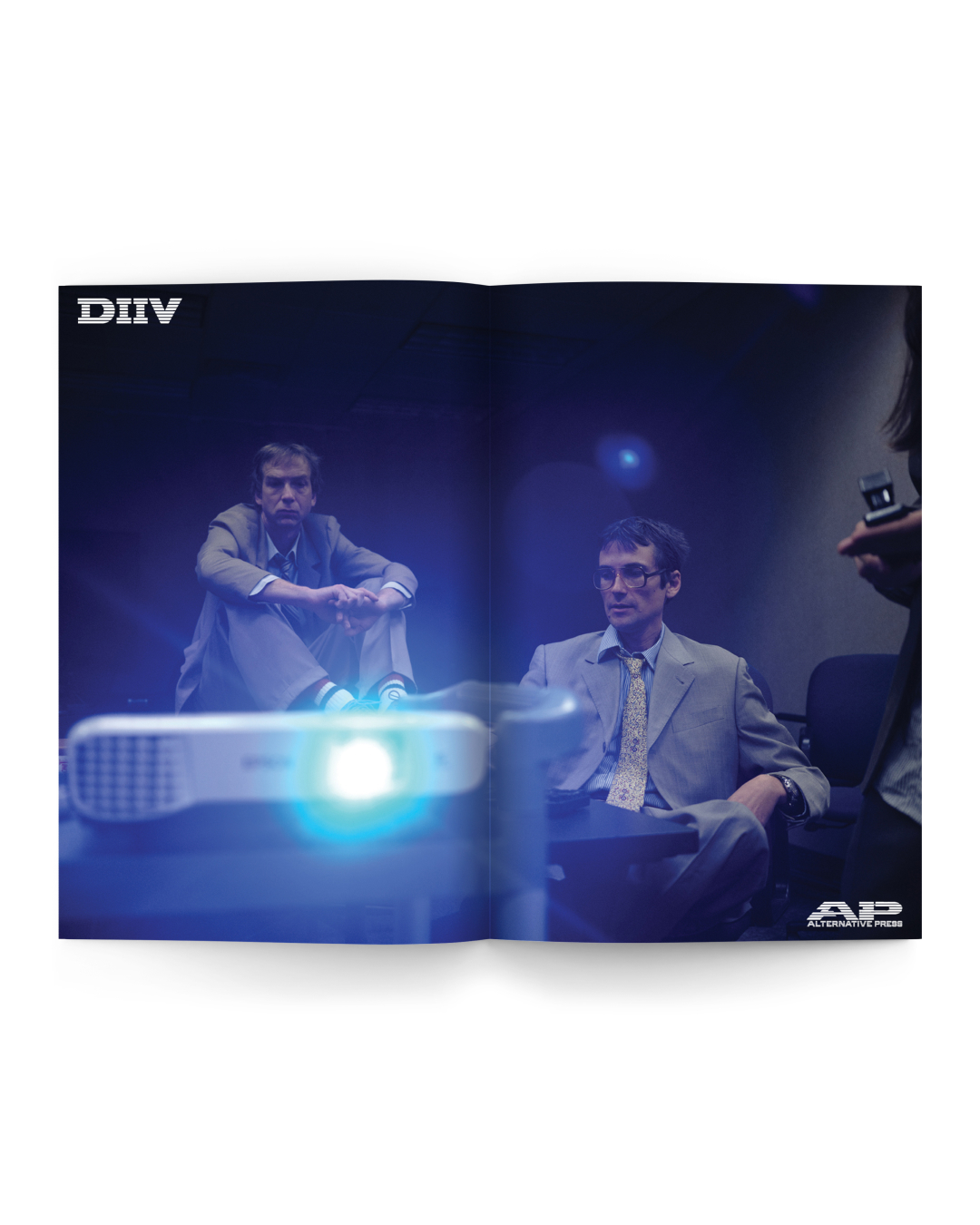
When DIIV transitioned into their ZIRP! (aka “zero interest-rate policy”) songs at Cleveland’s The Agora in early October, it felt like being sucked into a portal and spit out some other end. It was brighter, headier, more mischievous about a world inundated with, and exhausted by, capitalistic burnout. To be fair, they looked the part: suited up like hungover stockbrokers coming down from a bad deal. They launched into “The Fountain,” the album’s crackling opening statement — and a quantum leap. From the onset, torrents of fuzz build into an ominous whirl, sounding like they could blow the power any moment. It’s noisy without being drowned out, polished but still biting. Then there’s the message: The cult of youth is poison. The brain rot feels perennial. Your art is only as valuable as your open click rate. With ZIRP!, DIIV urge that there is an alternative to the despair. They bottle all the anxiety about a deteriorating planet and blow it up to pop scale.
#image-none-f0906d0f-b0a2-4a0f-844a-3294b93c389f .pubp-image__figure picture {
}
Louie Kovatch
At first glance, A.G. Cook — the collaborator who’s reshaped pop music and founded influential label PC Music — and DIIV hardly seem well matched. Cook’s wonky, extremely digital production style seems at odds with a band whose early albums were grounded in motorik beat and jammy, cascading riffs. Though 2019’s Deceiver went darker and heavier, the follow-up, 2024’s Frog in Boiling Water, got tenser, wading into the horrors of hustle culture. With Cook, they’ve been liberated, filtering societal collapse through lush, glowing pop songs. Though not to worry: His densely processed editing has been swapped for an obsession with the band’s live sound, homing in on tracked drums, intricate guitar parts, and methodically selected pedals.
This is what makes their partnership fascinating. For the past several years, pop has been where alternative once lived. Kids are learning Ableton on YouTube, making songs on their laptops, then uploading them to SoundCloud while working a day job. Charli’s teaching them that an album cycle can define a season, if it’s intentional enough. These pop stars are deconstructing and remaking it on their own terms, dwelling in their own digital fluency. It is, unquestionably, alternative.
Perhaps this is why DIIV could only make “Trillions” — a number that feels fake to even type — with Cook, a cheeky pop song that suggests if you love it, you’re immediately in on the bit. Here, the band lull us into an Auto-Tuned fantasy about joining the 1%, set to a jangly melody meant for huge replay. (They wrote it with Spotify’s “Billions Club” playlist in mind.) “Evangelizer” is all nü-metal bounce and psych trance, blending a new language with a past one. Elsewhere, the distortion feels like a balm, as on “The Crash,” where waves of fuzz detonate and recede.
#image-none-b99af086-4361-438c-ad10-4ca77271587c .pubp-image__figure picture {
}
ZIRP!, as a title, is inherently playful, both Max Headroom futuristic and David Lynch bizarre. It’s also, simply, fun, an aesthetic supercharged with a message. In this timeline, it continues to be a challenge for alternative to mean something, but at its baseline, it’s an enthusiasm to break out of molds, resist trends, and remain uncompromising in sound and vision. Streaming favors benign, frictionless bands — the ones unafraid to get swallowed up by content metrics because they aren’t really saying anything but might get to play Coachella.
Though alternative has become much harder to classify, artists of this ilk share a responsibility to disrupt the algorithm, to inspire people to think about and question the world they live in, even as the walls close in. Who’s this art tied to, what’s it for, and how is it pushing conversations? Then, who deserves your dollars? Ideally, that’s someone who’s created something that people resonate with and rally around. ZIRP! — and its willingness to champion “The New Alternative” — does this in spades, but it isn’t so much about sound as it is about feeling: of community, of camaraderie, of leaving something better than you found it.