
Wireless headphones with microphones have become an essential part of modern digital life, combining mobility, communication, and high-quality audio in a single device. They are widely used across gaming, remote work, education, and entertainment, offering users freedom of movement without the limitations of wired connections. A wireless headphone with microphone is especially valuable for users who need clear voice communication and immersive sound quality across different devices and activities. As technology advances, these devices continue to improve in sound performance, battery efficiency, and intelligent features.
The Shift to Wireless Audio Technology
The adoption of wireless audio has significantly changed how users interact with devices. Bluetooth technology has evolved through multiple generations, improving connection stability, range, and power efficiency. Modern wireless headphones can connect seamlessly to smartphones, laptops, tablets, and gaming consoles without physical cables.
This transition has eliminated common issues associated with wired headphones, such as cable tangling, port damage, and limited movement. It has also made audio devices more portable and convenient for everyday use. With faster pairing and more stable connections, wireless headphones are now suitable for both casual and professional environments.
Advances in Sound Quality and Audio Codecs
One of the major improvements in wireless headphones is sound quality. Earlier models often suffered from compression loss and latency issues. However, the introduction of advanced audio codecs such as AAC, aptX, and LDAC has significantly improved performance. These codecs help transmit audio data more efficiently, reducing loss in clarity during wireless transmission.
Modern wireless headphones now deliver balanced sound profiles with detailed highs, rich mids, and controlled bass response. Some models also include high-resolution audio support, allowing users to experience studio-like sound reproduction when paired with compatible devices. As a result, wireless audio now closely matches, and in some cases rivals, wired performance.
Microphone Technology and Communication Use
Integrated microphones have expanded the functionality of wireless headphones beyond music listening. They are now commonly used for video conferencing, online learning, voice calls, and gaming communication. Microphone systems have also improved with beamforming technology and AI-based noise reduction, which help isolate the user’s voice from background noise.
This ensures clearer communication even in crowded or noisy environments. In professional settings, this feature is particularly useful for remote workers and business users who rely on stable voice clarity during virtual meetings. In gaming, clear microphone input supports real-time coordination between team members.
Design Variations and User Applications
Wireless headphones are available in multiple designs to suit different preferences and use cases. Over-ear headphones provide strong sound isolation and are often preferred for immersive listening and gaming. On-ear models offer a balance between comfort and portability, while in-ear earbuds are compact and ideal for active or mobile users.
Many modern headphones also integrate smart features such as voice assistant compatibility, allowing users to control playback, calls, and notifications using voice commands. This improves convenience and reduces the need for manual device interaction.
Comfort, Ergonomics, and Long-Term Use
Comfort is a key consideration in headphone design, especially for extended usage. Manufacturers focus on ergonomic structures that reduce pressure on the head and ears. Adjustable headbands, soft cushioning, and lightweight materials improve wearability over long periods.
Memory foam ear pads and breathable fabrics help reduce heat buildup, making headphones more comfortable during prolonged sessions such as gaming, travel, or work. Proper ergonomic design ensures that users can wear the device for hours without discomfort or fatigue.
Battery Performance and Charging Efficiency
Battery life is one of the most important factors in wireless headphone performance. Many modern models offer 20 to 40 hours of playback time depending on usage and features such as active noise cancellation. Improvements in battery technology and power management systems have made long-lasting performance more reliable.
Fast-charging technology is also widely adopted. Some headphones can provide several hours of playback from just 10 to 15 minutes of charging. USB-C charging has become standard, improving charging speed and compatibility across devices. Battery optimisation features also help extend battery life by adjusting power consumption based on activity.
 Gaming, Latency, and Multimedia Experience
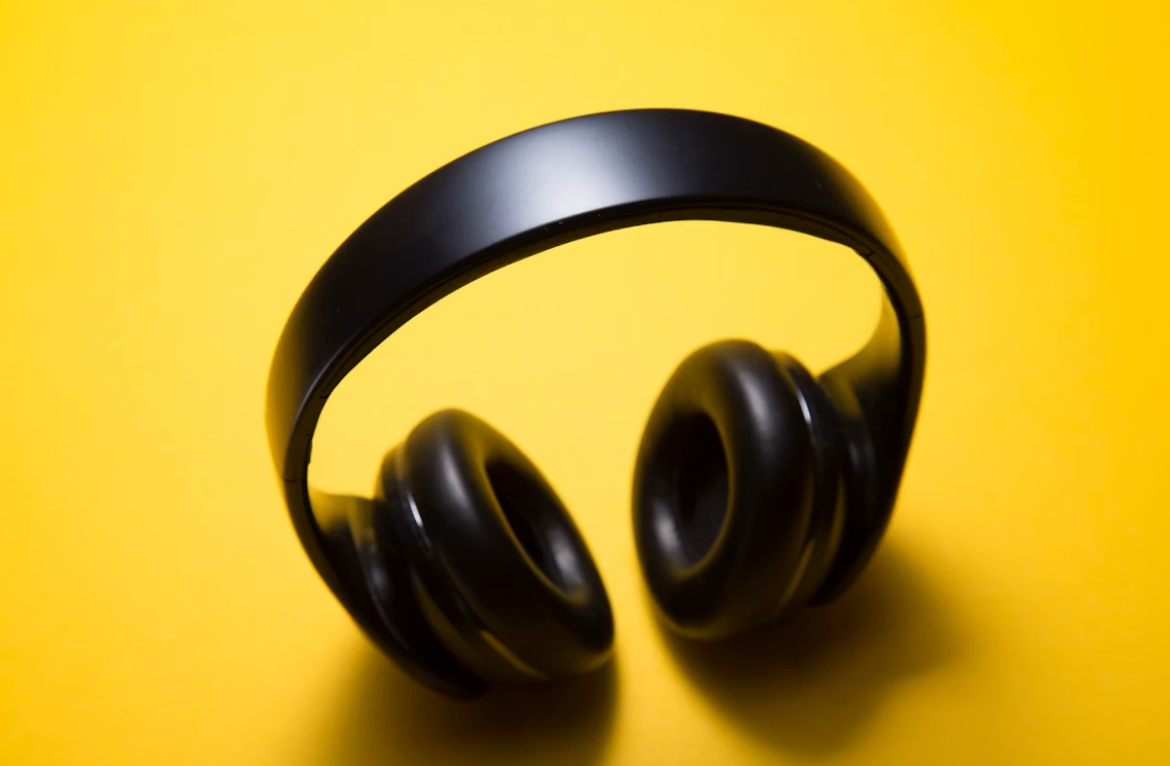 Gaming, Latency, and Multimedia Experience
Wireless headphones are widely used in gaming and multimedia consumption. For gamers, low latency is crucial to ensure audio remains synchronised with on-screen action. Many modern headphones include gaming modes that reduce audio delay, improving responsiveness.
High-quality spatial audio features also enhance immersion by simulating directional sound. This allows users to identify the location of in-game events more accurately. When paired with a clear microphone input, wireless headphones provide an effective communication and audio solution for competitive gaming.
Active Noise Cancellation and Environmental Awareness
Active noise cancellation (ANC) has become a defining feature in premium wireless headphones. ANC works by using built-in microphones to detect external noise and generate opposing sound waves to reduce its impact. This technology is especially effective in environments such as aeroplanes, offices, and public transport.
Some models also offer adaptive noise control, which adjusts the level of cancellation based on surroundings. Transparency modes are also available, allowing users to hear external sounds when necessary, improving safety and situational awareness.
Connectivity and Multi-Device Integration
Modern wireless headphones often support multipoint connectivity, allowing them to connect to two or more devices simultaneously. This enables users to switch between a laptop and smartphone without manually reconnecting. It is particularly useful for professionals who manage work calls and personal communication on different devices.
Bluetooth pairing has also become faster and more intuitive, often requiring only a single tap or automatic detection when a device is nearby. These improvements make connectivity smoother and more efficient.
Durability, Sustainability, and Build Quality
Durability has improved with the use of stronger materials and protective features such as water and sweat resistance. This makes wireless headphones suitable for workouts, outdoor use, and travel.
At the same time, manufacturers are increasingly focusing on sustainability. Many brands are adopting recyclable materials, reducing plastic usage, and improving energy efficiency in production. These efforts reflect a broader industry shift toward environmentally responsible manufacturing.
Conclusion
Wireless headphones with microphones have evolved into multifunctional devices that combine high-quality sound, advanced communication tools, and user-focused design. With continuous improvements in battery life, connectivity, noise control, and personalisation, they remain essential tools in modern digital lifestyles. As technology progresses, they are expected to become even more intelligent, efficient, and immersive in the years ahead.