When they’re done well, games with a message can be so effective, balancing the scale between teaching and transfixing you. to a T is a narrative game wrapped in a cute art style courtesy of designer Keita Takahashi (Katamari). It touches on an important theme, but that touch is light.
Your happy-go-lucky character’s body is in a permanent ‘T’ pose, which makes you different to those around you – the game is largely about navigating a world made for people with mobile arms. That means you have a special toothbrush and spoon, plus a pooch who helps with your everyday tasks (later you get to play as them, adorable waddling animation included).
Chapters are divided by musical numbers like those in kids’ cartoons where you can sing along with karaoke-style animation for lyrics that are hilariously silly: ‘Y I B T shape, not U or F or O?’ The humour gets more tickling with your ability to spin rapidly and propel yourself into the air. It enables you to reach the highest heights – and your bullies’ hearts. Only you can do this, because only you are shaped like a T.
Our hero’s experience is clearly intended as a metaphor for disability, touching on everyday difficulties many take for granted. It’s great as a kid-friendly execution – quirky and creative yet empathy-drawing. However, the message gets muddled in the second half, where the story spirals wildly from weird to downright absurd.
And this is a world where unicycles talk and cereals contain wasabi. The ‘twist’ is odd, narratively speaking, but it also does a disservice to what could be a tidy theme about acceptance. Rather than making the protagonist relatable, it alienates them further.
The gameplay is mostly simulation, as you go through your character’s day-to-day life. Minigames trickle throughout, including rhythm games, maths problems and mazes. Some feel quite tricky – the maths numbers come at you full throttle, all over the screen. Any little ones playing may need help here.
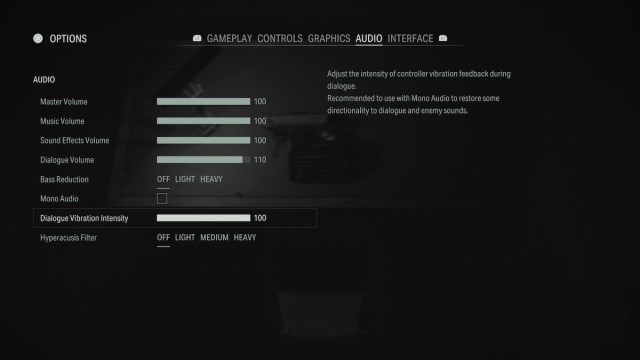
It’s possible the minigames are intended to replicate the experience of a person with a disability. But, strangely, the game’s accessibility options are lacking. There’s one lone accessibility setting: instead of rotating your right joystick to spin and fly, you can press ‘R’.
On Switch 2, to a T is a bit jittery when you fly, or walk through small spaces. Camera movement is tied to your character; it changes angle as you move, so that ‘right’ turns into ‘up’ or ‘up’ becomes ‘down’.
to a T doesn’t do anything terribly, but it doesn’t exactly triumph either. Takahashi’s touch is evident in the cute 3D Peanuts-esque design. He and development studio uvula have taken on a tremendous challenge, though what they’ve produced could’ve had much more emotional resonance.
Most troublingly, it isn’t easily playable for the very audience it supposedly spotlights – and its story (while fun and quirky) may muddy its teachings. Still, littler players might enjoy its style and silliness, even if it doesn’t express its take-home message…to a T.